









What Can You DIY in a Massachusetts Home? A Green, Yellow and Red List From a Builder
Paint and caulk are fine. Tile showers are a gamble. Wiring, gas and structure are for licensed pros. A Somerville builder sorts the jobs.
 Mateus Magno
Licensed Construction Supervisor · November 18, 2026 · 9 min read
"Can I do this myself?" is one of the first questions I hear on a walkthrough. It's a fair one. Some jobs are great weekend projects. Others look easy on video and end with a wet ceiling, a failed inspection or a stop-work order.
Here is my green, yellow and red list for Massachusetts homeowners, with the rules behind it. I'll also explain the difference between a license and a permit, since mixing those up is where many people go wrong.
How do I decide what is safe to DIY?
I ask three questions about any job:
- Does the law say who may do it? Massachusetts licenses electricians and plumbers and gas fitters. That settles some jobs before skill even matters.
- Can I undo a mistake? A bad paint line gets repainted. A bad shower membrane gets found two years later inside the wall.
- Will the mistake hurt someone or the building? Fire, gas, carbon monoxide, falling structure and lead dust are in a different category from a crooked shelf.
Green means yes to all three. Yellow means doable with care, and the risk is hidden or the town needs to approve it. Red means leave it to a licensed pro. I'm not going to give step-by-step instructions for electrical, gas or asbestos work here. That's deliberate.
What's the difference between a license and a permit?
People use these words as if they meant the same thing. They don't.
| License | Permit | |
|---|---|---|
| What it is | The state's approval of a person to do a trade | The town's approval of a job before it starts |
| Who issues it | State boards, for example electricians and plumbers and gas fitters | Your city or town's building, wire, plumbing and gas inspectors |
| What it answers | Who is allowed to do this work? | Is this work allowed here, and was it inspected? |
| You can have one without the other | A licensed electrician still needs a permit for the job | A permit generally does not make an unlicensed person legal to do licensed work. Some towns have owner-occupant exceptions, so ask |
The state statutes are blunt. For plumbing and gas, G.L. c.142, section 3 says no one may work as a plumber or gas fitter unless licensed. For electrical, c.141, section 5 sets fines of $1,000 to $1,500 for a first offense for people who do the work without complying with that chapter.
Homeowner exceptions are where it gets murky. For electrical, I found that c.143, section 3L speaks of installing wiring "for hire," and some towns let owner-occupants of single-family homes pull a permit while others don't. I couldn't find one statewide answer. In the plumbing statute text I read, I found no homeowner exemption, though some town permit forms have an owner box, so ask your plumbing inspector. And in Somerville, the City says a licensed electrician must pull electrical permits and a licensed plumber must pull plumbing and gas permits. I walk through that in my post on Somerville electrical and plumbing permits.
If you live somewhere else, call your building department before you buy a single wire nut or fitting. If you want the full permit picture for Somerville, my ebook Somerville Permits, Explained covers it.
Green: what can I do myself?
These jobs are low risk, easy to redo, and in Somerville don't need a building permit as far as I can tell. The City's ISD says painting, tiling and flooring are the interior jobs that skip the building permit. Confirm with ISD for your address.
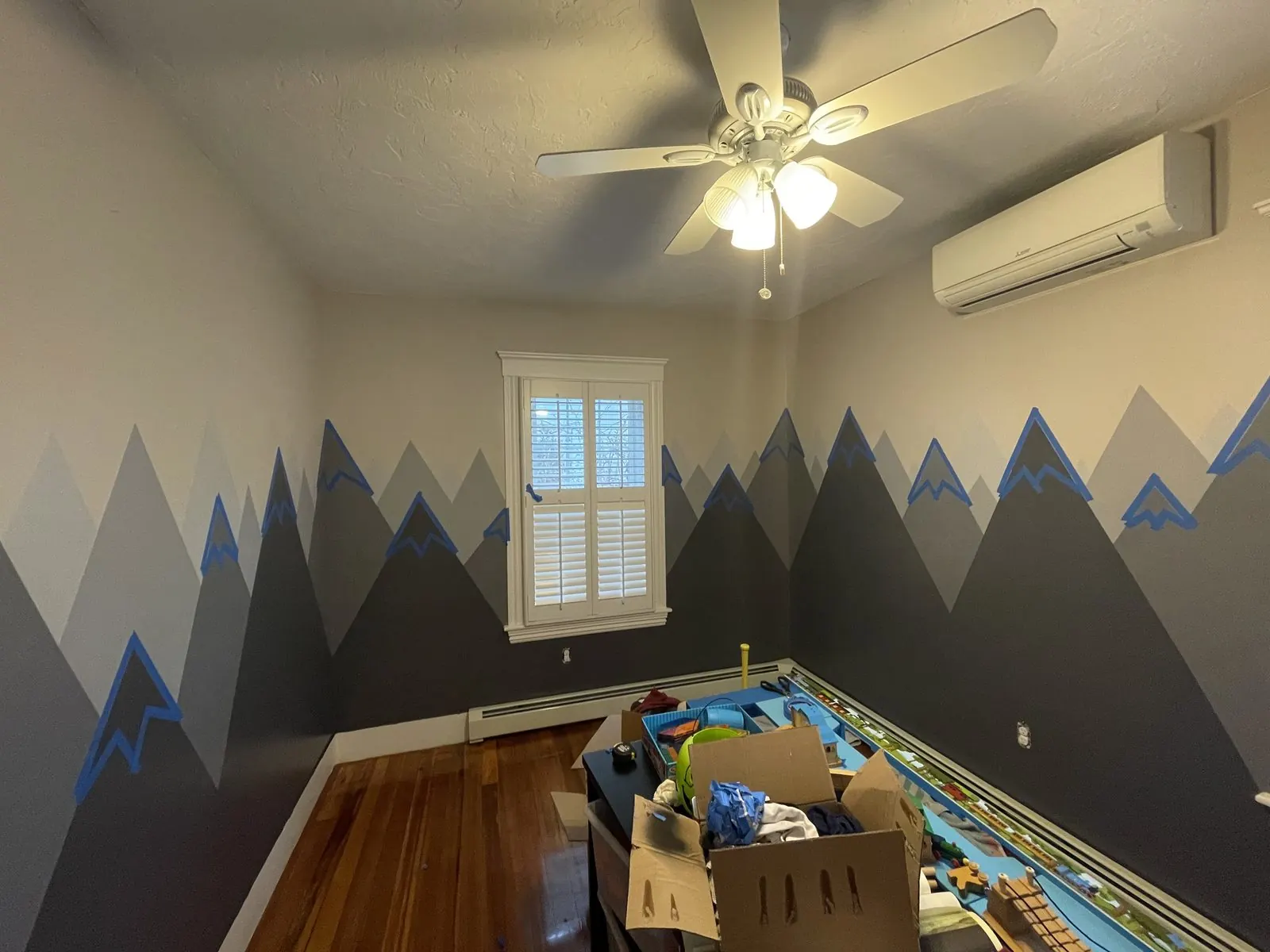
- Interior painting. The best DIY job there is.
- Caulking and weatherstripping. Gaps at windows, trim and tubs. My air sealing guide shows where the big leaks are.
- Trim, baseboard and shelving. Cut, fit, nail, fill, paint.
- A tile backsplash. It's a wall finish, not a wet floor. Pick a straight wall and take your time.
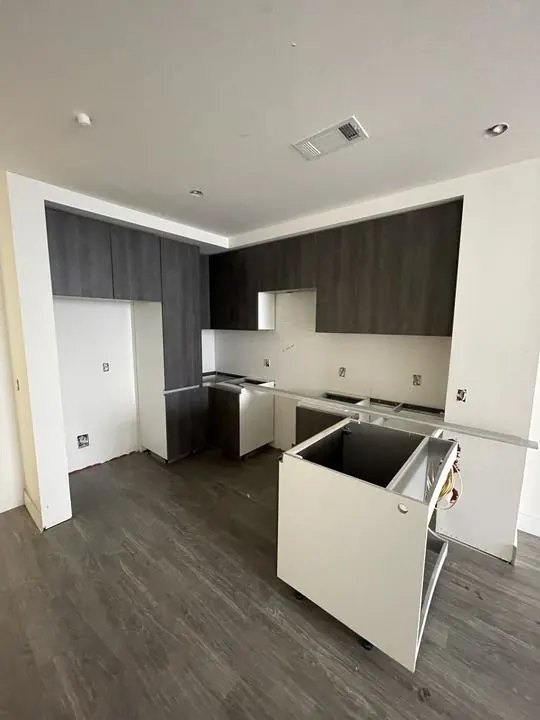
- Non-structural demolition of finishes. Pulling old cabinets or a dated vanity top is fine only after a licensed plumber or electrician has disconnected and capped any water, drain, gas or electrical connections, and with the checks below. Cutting into walls is not.
- Cabinet hardware, paint or refacing, and moving furniture out of the way. Easy wins.
Green only if the house passes the old-house check. If your home was built before 1978, painted surfaces may contain lead. The EPA says the federal lead rule generally doesn't apply to homeowners working on their own home, but it still recommends lead-safe practices and testing the surfaces you plan to disturb. Don't dry sand or scrape peeling paint. Keep kids and pregnant family members out of the room. See my guide to lead-safe work in older homes.
The same goes for old floor tile and adhesive. If you can't tell what it is, have an accredited lab or a licensed asbestos inspector test it before you pull anything up. Don't break or scrape it to get a sample. Here's how I think about asbestos floor tiles.
Yellow: when does DIY get risky?
Yellow jobs are things a skilled, patient homeowner can do. The trouble is that mistakes hide, or the town needs to approve the work.
| Job | Why it's yellow | What to check first |
|---|---|---|
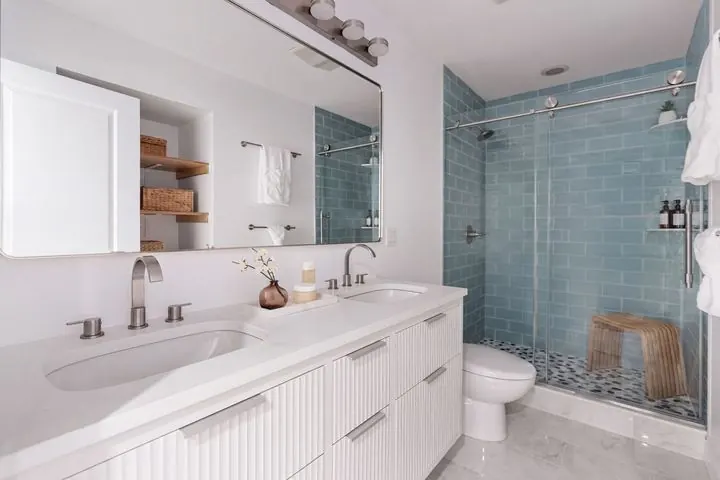
| Tile shower or tub surround | Tile isn't what keeps water out. The waterproofing behind it is, and a flaw shows up months later | Learn the membrane system before you buy tile. See what a walk-in shower involves |
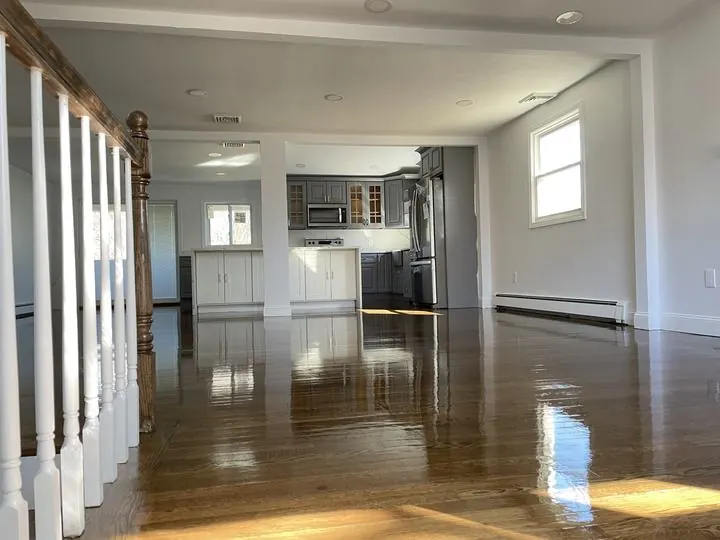
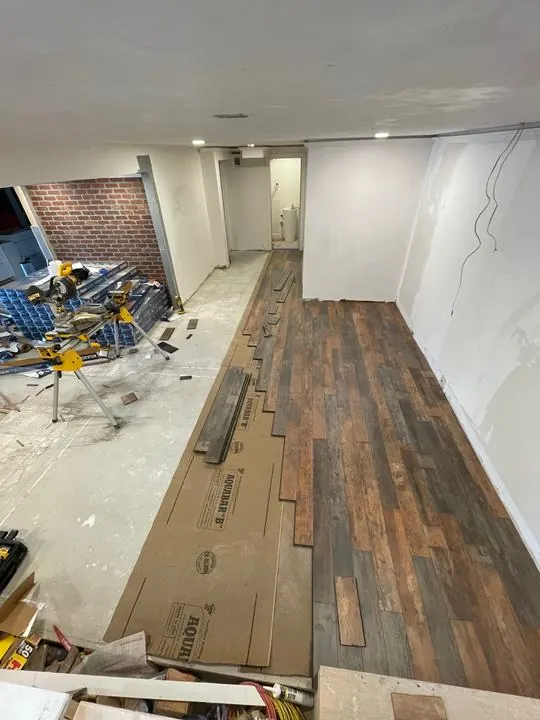
| New flooring | Floors in old houses are rarely flat, and old layers can hide lead dust or asbestos | Test old layers. Read about sagging floors before covering one |
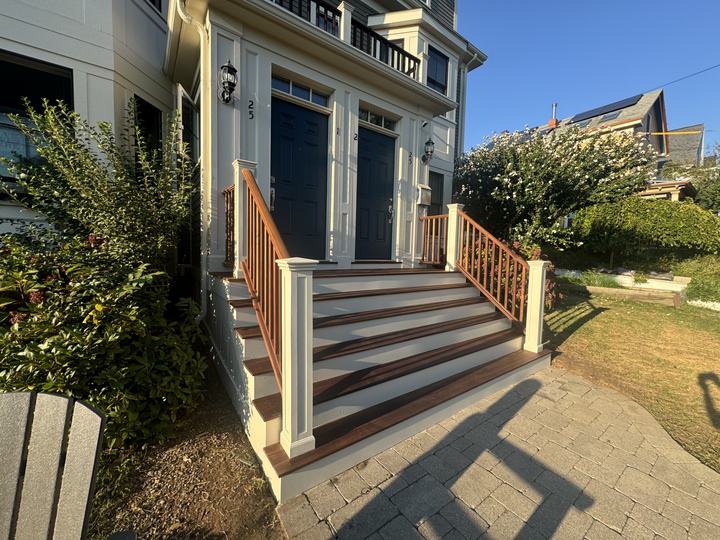
| Deck or porch build | Footings, the connection to the house, and railings carry real loads and need approval | Permit and inspection. See the deck permit guide |
| Small framing | A new partition wall is simple. Knowing it isn't holding up a floor or roof is not | If you can't prove it's non-structural, it's red. Permit likely |
For a yellow job, my rule is to do the visible parts and pay a pro for the hidden parts. Some people hire a pro for the shower waterproofing and tile the walls themselves. Others hire out the framing inspection and finish everything after. Either way, call the building department first and ask whether the job needs a permit and an inspection.
Red: what should I never DIY?
These are the jobs where the law, the risk or both say no.
- Structural changes. Taking out or cutting a wall, beam, joist or post. See what removing a load-bearing wall involves. It needs a building permit and usually an engineer.
- Electrical work. New circuits, panel work, anything in a wall or ceiling, and knob-and-tube wiring. Even "simple" swaps are a gray area, so ask the inspector first. My knob-and-tube article shows why old houses are tricky.
- Plumbing and gas. Water heaters, boilers, stoves, gas lines and anything that touches drains or supply piping. If you smell gas, leave the house and call 911 or your gas utility.
- Flat roofs. The detailing around edges and drains is where they fail. See my flat roof guide for triple-deckers.
- Lead paint or asbestos removal. Testing and abatement for a house with a child in it, or for suspect materials, should go to licensed lead and asbestos professionals. Massachusetts has its own lead law and asbestos rules, so ask your board of health before you touch it.
- Anything at height, or on a three-family. In Somerville the City says a three-family or larger building needs a licensed contractor to pull the building permit.
What about swapping a faucet, a light or an outlet?
This is where most online DIY lists mislead Massachusetts homeowners. They put "like-for-like fixture swaps" in the easy column. Here the rules are stricter.
- Faucets. The state plumbing board says a permit isn't needed for minor repairs like fixing a leak in a faucet or valve or clearing a clog. Its fact sheet adds that replacing a faucet or valve is not a minor repair. My job-by-job permit list covers this.
- Light fixtures, switches and outlets. I couldn't find one clear statewide answer for homeowners. Somerville says licensed electricians pull the permits. Ask your inspector before you touch anything.
- Water heaters. These are plumbing, and gas-fired ones are gas work too. Licensed pro, with a permit.
So I keep these off my green list. Call it "ask first."
What does DIY cost you when it goes wrong?
Most people compare the cost of a pro with the cost of materials. They forget three other costs.
Resale. Unpermitted work doesn't disappear. A buyer's inspector or a records check can find it, and then you fix it, legalize it or discount the price. I wrote about this from the buyer's side in the seller never pulled permits. If you skipped a permit, read my guide to remodeling without one. Somerville's posted fee for work done without a building permit is three times the permit fee, per the City schedule I quote in my permits post.
No Guaranty Fund backup. The Massachusetts Home Improvement Contractor Guaranty Fund can repay eligible homeowners up to $25,000 of actual loss when a registered contractor doesn't pay a court judgment or arbitration award. The state's eligibility page says that the contractor must have pulled the building permit and been registered when the contract was signed. Work you did yourself has no contractor, so there's nothing for the fund to cover. More in my Guaranty Fund guide.
Safety. A missed wire connection, a gas leak or a lead dust cloud in a kid's room is not a "redo it Saturday" problem.
Does DIY actually save money?
Sometimes. On green jobs, usually. On red jobs, I wouldn't count on it.
One data point: a survey by Platinum Home Builders & Design, reported by the Pennsylvania Association of Realtors on November 12, 2025, found that 41% of renovators wished they had hired a professional instead of doing the work themselves. A builder ran it, the article doesn't give a sample size, and it isn't about Greater Boston, so treat it as a hint. I cover similar patterns in 9 renovation regrets old-house owners keep telling me about.
My honest view: the savings are real when you do work that is easy to fix. They shrink fast when a mistake is hidden, regulated or dangerous.
What should I do this week, and where can I get a second opinion?
- Sort your list. Write each project down and mark it green, yellow or red using the tables above.
- Check your house's age. If it's pre-1978, test paint and old flooring before any demolition or sanding.
- Call the building department on every yellow and red job. Ask about permits and who may pull them.
- Split mixed jobs. Do the paint, trim and tile yourself. Hire out the wiring, plumbing, gas and structure.
- Get a second set of eyes before you open a wall in a house older than you are.
I'm Mateus, a licensed Massachusetts builder and owner's rep in Davis Square. I'm happy to walk through your project list and tell you which jobs are yours and which aren't. Book a free walkthrough and we'll sort it together.
Frequently asked questions
Can I do my own electrical work in Massachusetts?
It depends on the town, and I couldn't find one statewide answer. The state licenses electricians, and G.L. c.141, section 5 sets fines for doing that work without complying. Some towns let owner-occupants of single-family homes pull a permit, but Somerville says a licensed electrician must apply for electrical permits. Call your inspector of wires before you start.
Can I do my own plumbing in Massachusetts?
In the statute text I read, G.L. c.142, section 3 says no one may work as a plumber or gas fitter unless licensed, and I found no homeowner exemption. The state says a permit isn't needed for minor repairs like fixing a leak in a faucet or clearing a clog, but replacing a faucet or valve isn't a minor repair. Somerville says licensed plumbers pull plumbing and gas permits.
What's the difference between a license and a permit?
A license is the state's approval of a person to do a trade, such as an electrician or plumber. A permit is the town's approval of a specific job before it starts. A permit generally doesn't make an unlicensed person legal to do licensed work, though some towns allow owner-occupants to pull certain permits, and a license doesn't skip the permit.
Do I need a permit to paint, tile or put in flooring in Somerville?
Somerville's Inspectional Services Department says painting, tiling and flooring don't need a building permit. Any wiring or plumbing changes that come with the job still need their own permits. Confirm with ISD for your address.
Can I pull my own building permit in Somerville?
Per the City's ISD FAQ, if you own and live in a one- or two-family home you may obtain the building permit yourself. For three-family or larger buildings, a licensed contractor must apply. Pulling your own permit also affects Guaranty Fund eligibility, so read my Guaranty Fund guide first.
Does the federal lead rule apply to me if I paint my own pre-1978 house?
The EPA says the Renovation, Repair and Painting rule generally doesn't apply to homeowners doing their own projects in their own home. It still recommends lead-safe work practices and testing, and it applies if you rent out part of the home. Don't dry sand or scrape old paint.
See what I do as an owner's representative and how I price work.
Read this next
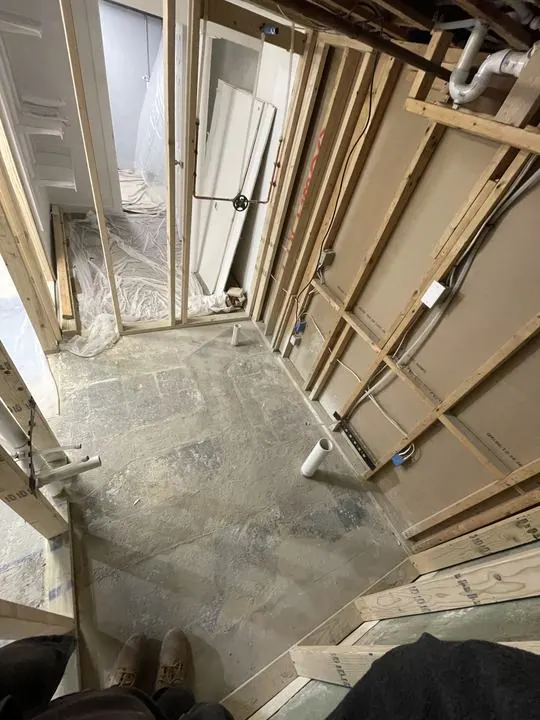 Permits & RulesSomerville Electrical Permit, Plumbing and Gas Permits: Who Can Pull ThemWho can pull a Somerville electrical permit, plumbing or gas permit, what the City's posted fees say, and how rough and final inspections work.4 min read · Keep reading →
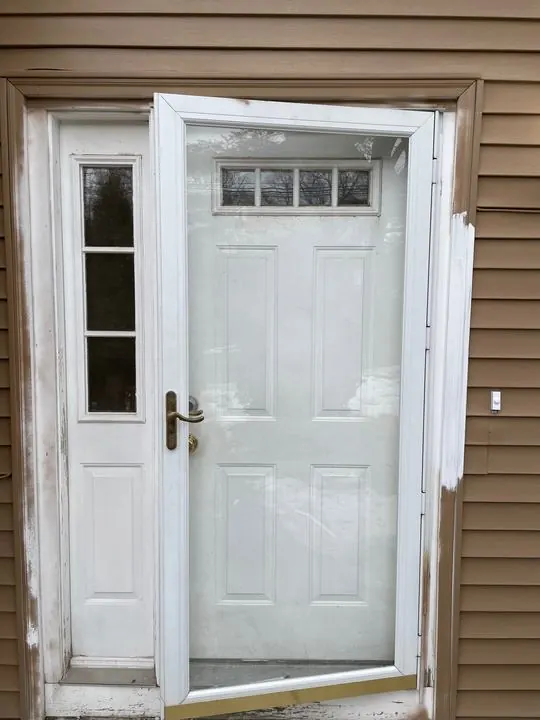 Permits & RulesDo I need a permit to replace it? A job-by-job list for Somerville and MassachusettsDo I need a permit to replace my roof, windows, water heater or deck boards? A job-by-job permit list for Somerville and Massachusetts homeowners.4 min read · Keep reading →
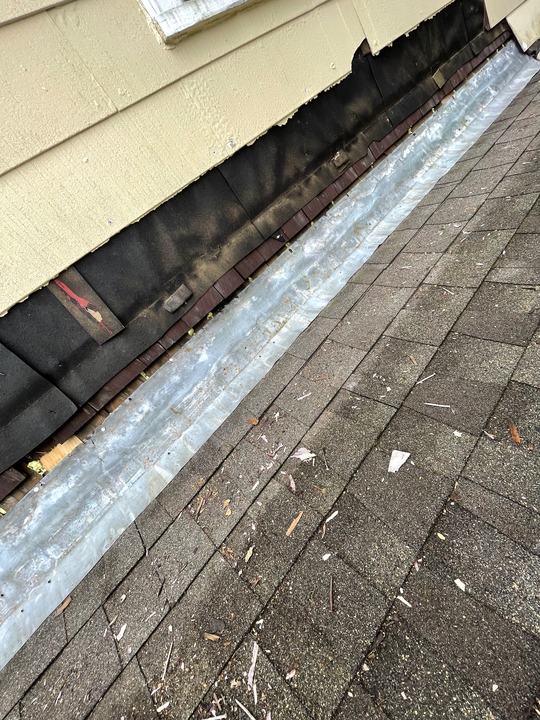 Home Care & SafetyRenovating a pre-1978 home? What lead-safe work means for youMost Greater Boston homes were built before 1978. Here's what the lead-safe rules require, what it looks like on site, and how to protect your family.3 min read · Keep reading →
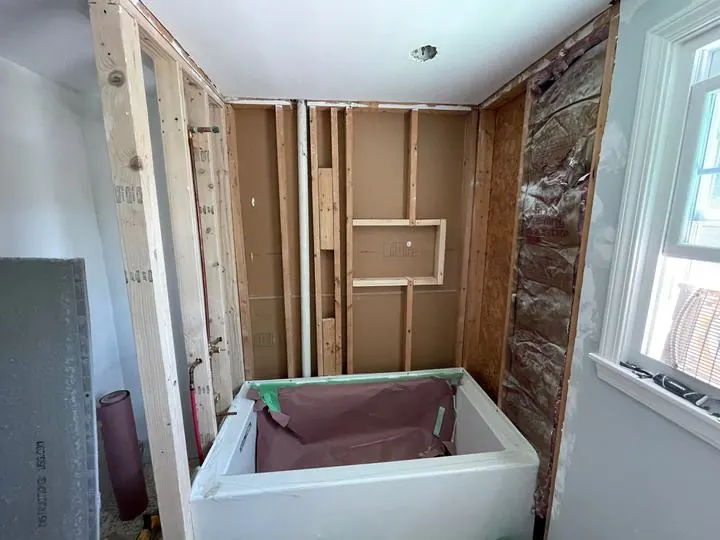 Costs & Budgets9 renovation regrets old-house owners keep telling me aboutOver budget, surprises behind the plaster, work done in the wrong order. A Somerville builder's list of what owners regret and what to do instead.8 min read · Keep reading →
 Hiring & PlanningCan I Be My Own General Contractor in Massachusetts? What the Law AllowsCan I be my own general contractor in Massachusetts? Yes, with limits. A Somerville builder explains homeowner permits, licensed trades and trade-offs.4 min read · Keep reading →
 Hiring & PlanningThe Massachusetts HIC Guaranty Fund: who qualifies, how much it pays and how to claimMassachusetts HIC Guaranty Fund: up to $25,000 if a registered contractor won't pay a judgment. Who qualifies and how to claim, from a Somerville builder.4 min read · Keep reading →
Mateus Magno founded Magno & Co in 2020. He is a licensed Massachusetts Construction Supervisor (CS-123658), registered Home Improvement Contractor (HIC #220484) and certified Lead-Safe Renovator Supervisor who has renovated and managed over $5 million in projects across Greater Boston.
More about Mateus →