






9 renovation regrets old-house owners keep telling me about
Over budget, surprises behind the plaster, work done in the wrong order. A Somerville builder's list of what owners regret and what to do instead.
 Mateus Magno
Licensed Construction Supervisor · November 17, 2026 · 8 min read
I'm a builder in Somerville, and I have the same conversation near the end of a lot of jobs: "I wish I'd known that at the start." The house is usually a triple-decker, a Victorian or a colonial that's a hundred years old or more.
Here are nine regrets I hear most, why each one is more likely in an old house, and what to do instead. I'm describing patterns I've seen across jobs, not any one household.
What do the surveys say about budgets and regrets?
The national numbers match what I see. In Houzz's 2026 study of renovations done in 2025 (reported April 22, 2026, from more than 20,000 US homeowners), 37% of renovators went over budget, 35% landed on target and 3% came in under.
Among those who went over, the top reasons were higher-than-expected costs for products or services (52%), selecting higher-end materials than planned (35%), unanticipated project complexity (32%), changes in scope or design (31%) and construction-related issues (22%). Those are Houzz's figures for the over-budget group, and they overlap because people could pick more than one.
A second source is a survey by a Pennsylvania builder, reported by the Pennsylvania Association of Realtors on November 12, 2025. It found 47% over budget and 41% wishing they had hired a professional instead of doing the work themselves. Bathrooms (31%) and kitchens (28%) were the most regretted rooms. The article doesn't give the sample size or dates, and a builder ran the survey, so treat it as a hint, not a measurement.
Neither source is about Greater Boston. But old houses make several of these more likely, because more of the project is hidden.
Regrets 1 to 3: the money and the walls
1. Budgeting only for what you can see
Why it happens: A quote covers the work you can describe. In a 1920 house, a lot of the cost sits behind plaster, under floors and inside the basement ceiling.
Do instead: Hold a reserve. A designer quoted in Houzz's regrets article recommends a 10% to 20% buffer for the unexpected. On an old house I'd plan toward the higher end of that. That's my opinion, not a study result. Keep the reserve separate from your "nice to have" list so it doesn't get spent on tile.
2. Not finding out what's behind the walls before deciding
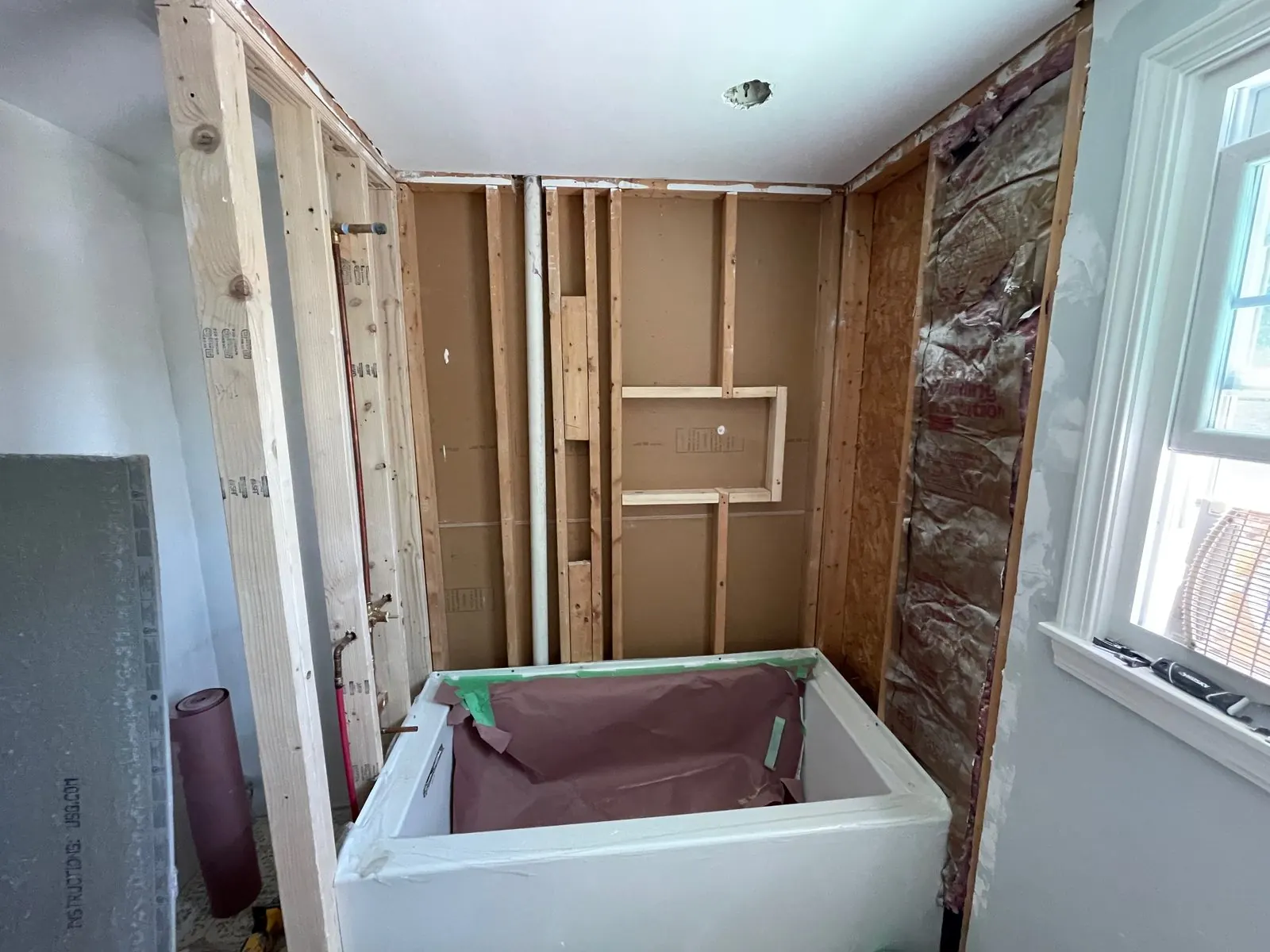
Why it happens: Old houses hide things. I see notched joists from past plumbers, old galvanized or cast iron pipes, knob-and-tube wiring, and plaster that crumbles once someone works near it. None of it shows until the wall is open.
Do instead: Investigate before you design. Have your contractor open a small section of wall, and check the basement, attic and panel. Do not open old plaster yourself, since it can hide lead paint dust, asbestos or live old wiring. A 3D scan helps with measurements but doesn't show what's inside a wall. Ask your contractor which items are priced as fixed and which are allowances or unknowns. Read why old floors sag and what a gut renovation really includes to know what you might find.
3. No agreed way to handle surprises
Why it happens: Surprises in an old house are normal. The regret comes when there's no agreed way to handle them, so every discovery turns into an argument.
Do instead: Agree in the contract how unforeseen conditions get priced and approved. See how change orders should work.
Regrets 4 and 5: the people and the paper
4. Hiring on the lowest price
Why it happens: Old-house jobs are hard to price, so bids vary a lot. The lowest number often leaves things out, or assumes nothing goes wrong. Houzz lists choosing the cheapest contractor as one of its ten biggest regrets.
Do instead: Compare scopes line by line, not totals. Check the license and registration, and use the hiring checklist. Ask how they handle what they find behind walls.
5. Starting without a written scope
Why it happens: A handshake and a number feel fine until you disagree about what was included. In the builder survey above, 34% recommended getting every detail in writing.
Do instead: Massachusetts law helps here. Under M.G.L. c.142A, section 2, a residential contracting agreement over $1,000 must be in writing, state the scheduled start and substantial completion dates, and cap the deposit at the greater of one-third of the contract price or the cost of special-order materials. I explain this in my contract guide. Put the scope, finishes, allowances and change process in the same document.
Regrets 6 to 9: order, shortcuts, DIY and living through it
6. Doing it in the wrong order
Why it happens: Owners start with what's visible: paint, floors, a kitchen. Then the electrician, plumber or insulation crew needs to cut into those finished walls.
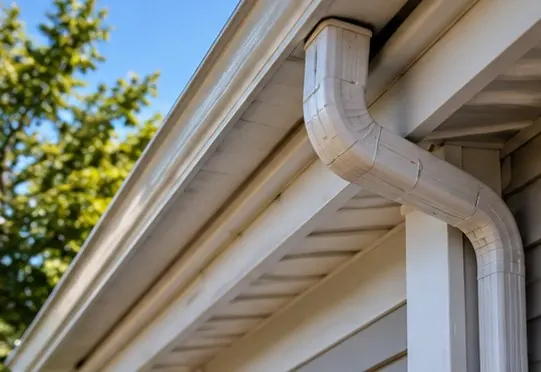
Do instead: Go from the shell inward. Water first (roof, flashing, gutters, drainage), then structure, then wiring, plumbing and heating, then insulation and air sealing, then layout changes, then kitchens and baths, and floors and paint last. A failing system jumps the line. Once a wall is open for one trade, that's the cheapest moment for the others.
7. Skipping the unglamorous work
Why it happens: A new panel or a repaired sill doesn't show in photos. Cabinets do. So money drifts toward finishes.
Do instead: Fix what protects the house first. That includes knob-and-tube wiring (a licensed electrician's job, and it needs sorting out before insulation goes in), a panel that's too small, and water in the basement. If you find vermiculite or old floor tile, leave it alone until it's tested. Have it tested by a qualified professional.
8. Doing the wrong parts yourself
Why it happens: Labor looks like the easy cost to cut. Houzz lists "assuming DIY saves money" among its top regrets, and 41% in the builder survey wished they'd hired a pro.
Do instead: Keep your own work to the safe and simple: painting (no sanding or scraping old paint on a house built before 1978), clean-up, choosing finishes, and being the person who answers questions quickly. Leave electrical, gas, structure and anything that may involve lead or asbestos to licensed pros. If you want to run the project yourself, read what being your own GC involves.
9. Not planning to live through it
Why it happens: Dust travels through an old house easily, and a kitchen can be out for weeks. On a house built before 1978, paid work that disturbs painted surfaces beyond small repairs has to follow lead-safe rules.
Do instead: Decide before you sign where you'll sleep, cook and work. Ask for dust barriers and daily clean-up in writing. If anyone in the house is pregnant, or there are young children, ask the contractor how they'll handle lead-safe work. Here is what lead-safe work means.
The nine regrets at a glance
| Regret | What it costs you | How to avoid it |
|---|---|---|
| 1. No reserve | A stalled job or cut-down scope when the first surprise lands (37% of Houzz renovators went over budget) | Hold 10% to 20% aside, higher on an old house |
| 2. Not looking behind walls | Hidden wiring, pipes and framing found after the price is set | Investigate first and ask what's fixed vs. unknown |
| 3. No plan for surprises | Arguments and delays over every discovery | Agree a change-order process in the contract |
| 4. Lowest bid wins | Missing scope, then add-ons | Compare line by line, check the license |
| 5. Vague scope | Disputes about what was included (34% advise getting everything in writing) | Written contract with scope, dates, allowances |
| 6. Wrong order | Finished work cut open and redone | Shell, systems, insulation, then finishes |
| 7. Skipping unglamorous work | A beautiful room on a failing system | Fund wiring, water and structure first |
| 8. Wrong DIY | Redoing work, or safety risks (41% wished they'd hired a pro) | DIY the simple, hire for the rest |
| 9. No plan to live through it | Dust, stress, lead-safety worries | Plan where you'll cook and sleep, in writing |
The cost column is what it costs you in general terms, not a dollar figure. Every house and job is different. For real ranges, see What a Renovation Really Costs, my guide to Greater Boston prices.
What should I do this week before I sign anything?
- Write your list in priority order. Water, structure and systems first. Finishes last.
- Get a look behind the walls. Basement ceiling, attic, panel, and one or two small openings made by a pro where you plan to work.
- Get at least three detailed scopes. Ask each how they'd price unknowns.
- Set your reserve. Keep it in a separate line.
- Choose finishes before demolition. Fixtures, tile and cabinets chosen late are how schedules slip.
- Ask about permits. The contractor should pull them in their name. See which jobs need one.
What if I'm already in the middle?
It isn't too late. Stop adding finishes and ask for an updated written scope and schedule. Get any change in writing before the work starts. If you're over budget, financing options in Massachusetts may help, but cut scope first.
Wondering what order the work should go in? See the sequence I use on a century-old house, from inspection to paint.
If DIY is tempting, see which jobs are green, yellow or red for a Massachusetts homeowner.
Unsure what to do first when money is tight? Here is a builder's triage list of what to fix now and what to defer.
Want a second set of eyes before you start?
I'm Mateus, a licensed builder in Davis Square. Since 2020, Magno & Co has renovated and managed over $5 million in projects around Somerville and Greater Boston. If you're planning work on an older house, book a free walkthrough and I'll tell you what I'd check first.
Frequently asked questions
How much extra should I budget for an old-house renovation?
A designer quoted in Houzz's 2026 regrets article suggests setting aside a 10% to 20% buffer for the unexpected. On a house built a century ago, where much of the work is hidden, I'd plan toward the higher end. That is my opinion, not a study result.
How many renovations go over budget?
In Houzz's 2026 study of renovations done in 2025, 37% went over budget, 35% were on target and 3% came in under. A builder-run survey reported in November 2025 found 47% over budget, though it did not give its sample size.
What do homeowners regret most after a renovation?
Common regrets include underestimating costs, choosing the cheapest contractor, not having a written scope and assuming DIY would save money. In the builder survey, bathrooms (31%) and kitchens (28%) were the most regretted rooms.
What order should I renovate an old house in?
Start with water (roof, drainage), then structure, then wiring, plumbing and heating, then insulation and air sealing, then layout changes, then kitchens and baths. Do floors and paint last. A failing system moves to the front of the line.
Does a Massachusetts renovation contract have to be in writing?
Under M.G.L. c.142A, section 2, a residential contracting agreement over $1,000 must be in writing and state the scheduled start and substantial completion dates. It also limits the deposit to the greater of one-third of the contract price or the cost of special-order materials.
Do lead paint rules apply to my renovation?
If your house was built before 1978 and a contractor is paid to disturb painted surfaces, lead-safe work practices apply. Ask any contractor how they'll contain dust and clean up before you sign.
See my published prices and how I quote a job, and the towns I work in.
Read this next
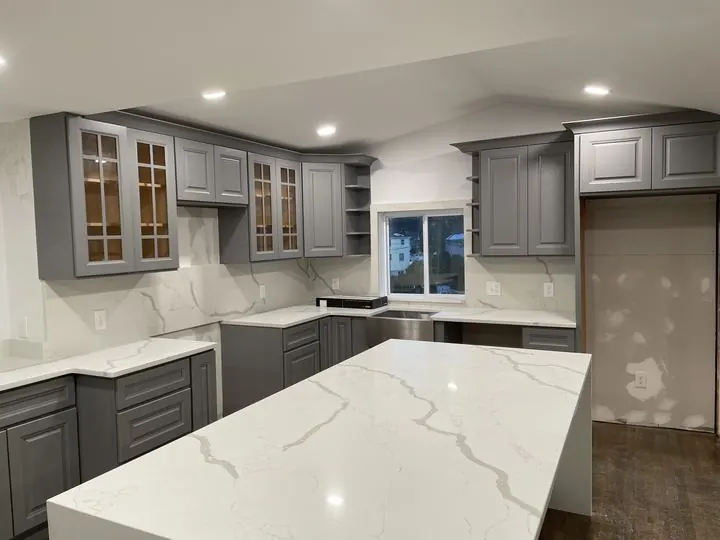 Kitchens, Baths & ExteriorsKitchen remodel mistakes I see in Greater Boston homes, and how to avoid themKitchen remodel mistakes I see in Somerville and Greater Boston: layout, venting, old wiring, cabinet orders, permits, lead dust, schedules. Worth it?4 min read · Keep reading →
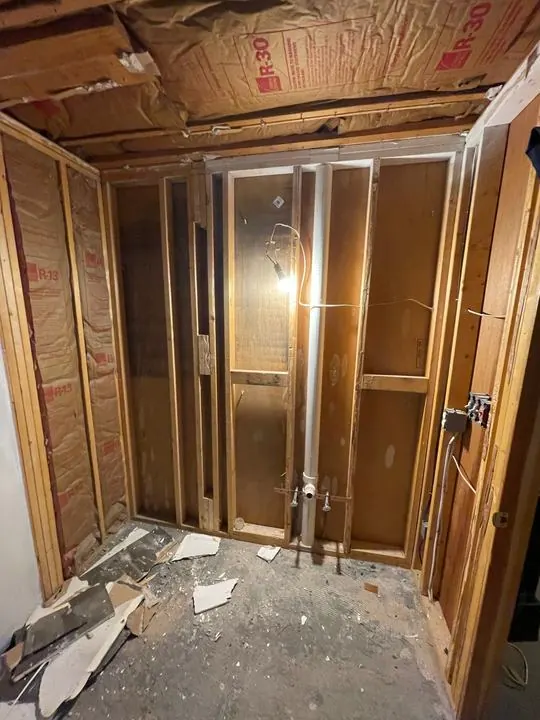 Costs & BudgetsGut Renovation Cost in Boston: What You're Really Paying ForWhat drives gut renovation cost in Boston, Somerville and Cambridge: demo, structure, new systems, energy code, lead, permits and avoiding surprises.4 min read · Keep reading →
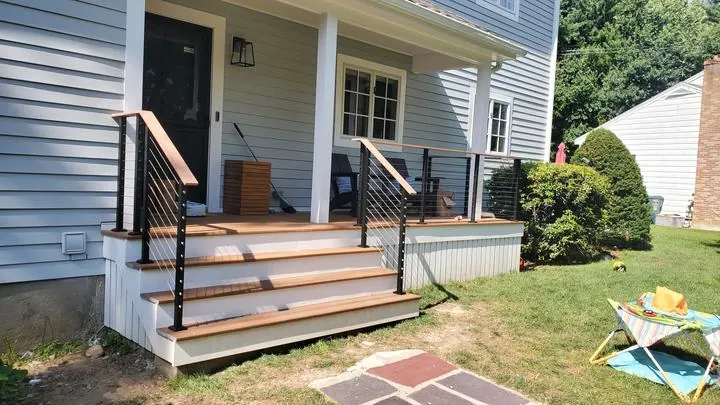 Costs & BudgetsWhich home repairs can wait and which can't: a Somerville builder's triage listMoney is tight and quotes are high. Here is how I sort an old house into fix now, fix this year, plan and save, and safe to defer.7 min read · Keep reading →
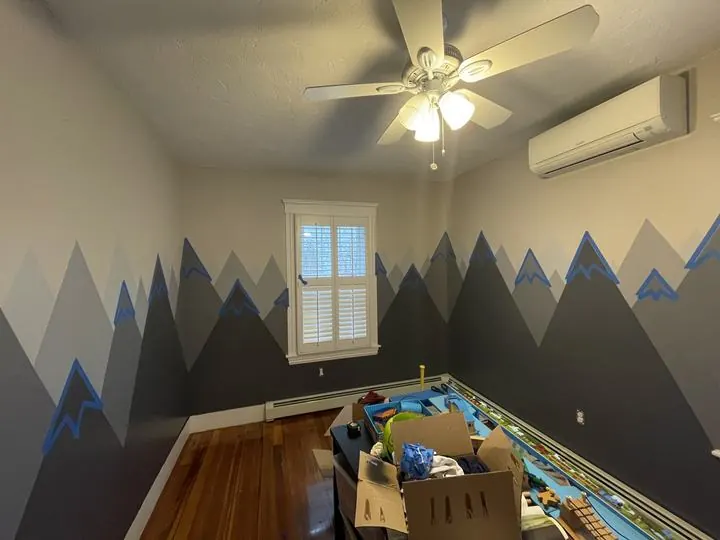 Hiring & PlanningWhat Can You DIY in a Massachusetts Home? A Green, Yellow and Red List From a BuilderPaint and caulk are fine. Tile showers are a gamble. Wiring, gas and structure are for licensed pros. A Somerville builder sorts the jobs.9 min read · Keep reading →
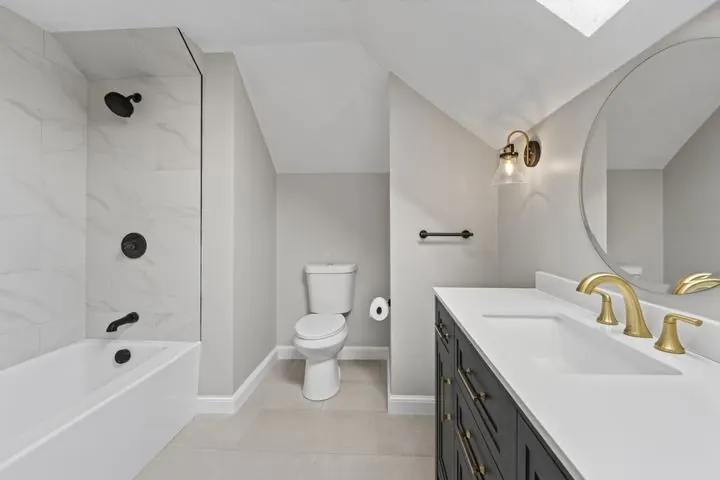 Costs & BudgetsWhat to Renovate First in an Old Boston-Area House (The Order That Avoids Redoing Work)Paint, floors or wiring first? A Somerville builder's order of operations for a 1900-1930 house, so you rip out less finished work.7 min read · Keep reading →
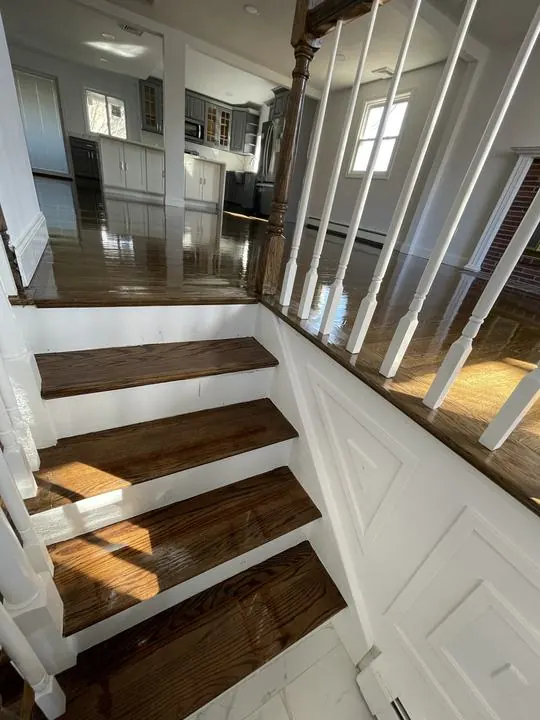 Hiring & PlanningChange orders in construction: what they are and how to handle them in an old houseChange order construction basics for Somerville and Cambridge homeowners: why change orders happen in old houses, what to put in writing and the red flags.4 min read · Keep reading →
Mateus Magno founded Magno & Co in 2020. He is a licensed Massachusetts Construction Supervisor (CS-123658), registered Home Improvement Contractor (HIC #220484) and certified Lead-Safe Renovator Supervisor who has renovated and managed over $5 million in projects across Greater Boston.
More about Mateus →