









Contractor ghosted you? A week-by-week plan for Massachusetts homeowners
Deposit paid, house half torn up, no callbacks. Here is what to do in the first 7 days and the weeks after, from a Somerville builder.
 Mateus Magno
Licensed Construction Supervisor · November 17, 2026 · 9 min read
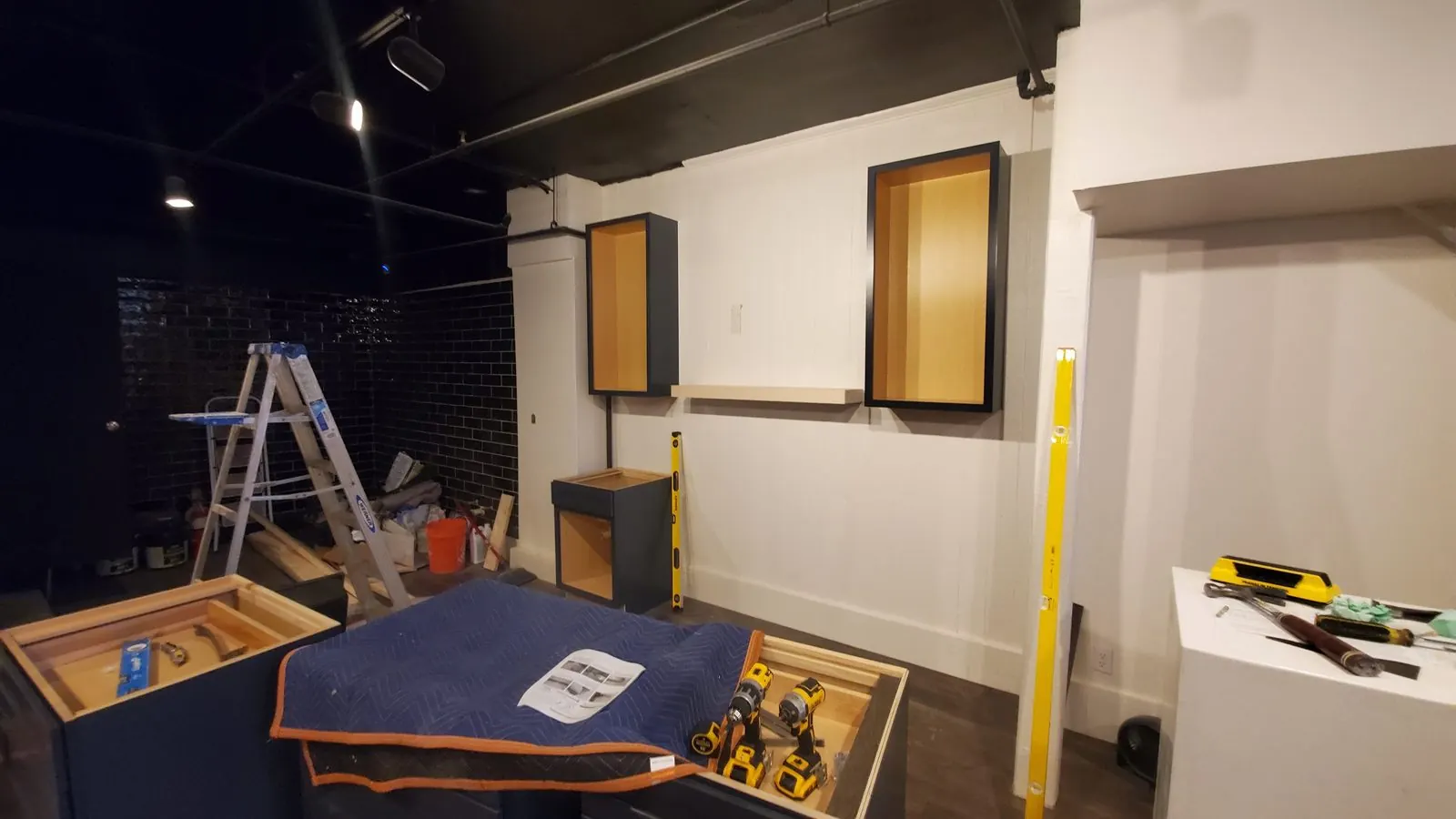
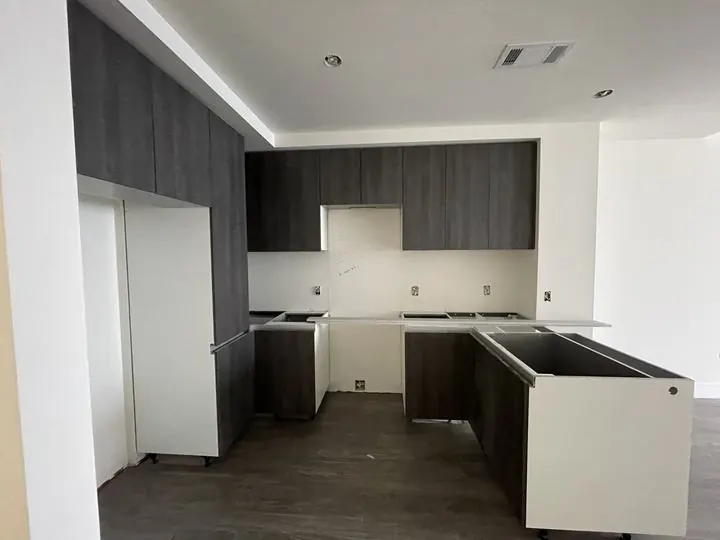
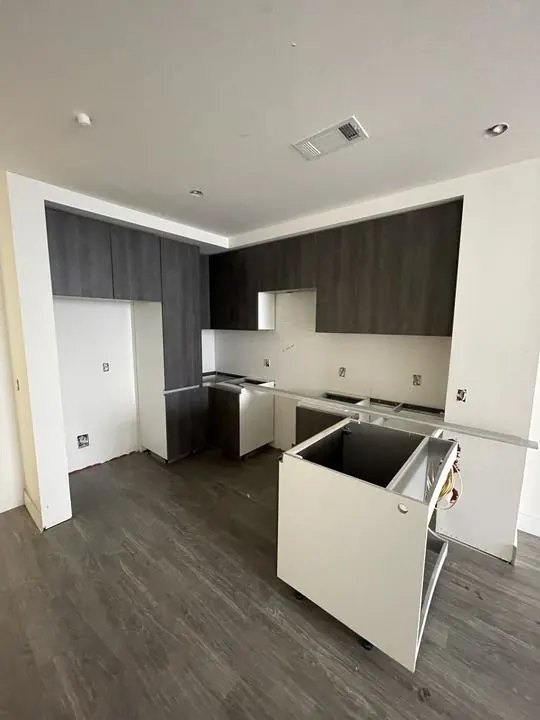
The deposit is paid, the walls are open and the crew stopped showing up. Now the texts go unanswered and you don't know whether to wait, fire someone, call the police or call a lawyer. This is the order I'd work in, week by week, and what I'd do at each step.
Local TV keeps covering homeowners left with half-finished, exposed houses, including an NBC10 Boston investigation published November 12, 2026. I won't talk about any one company, and a lawsuit isn't a finding. The point is that you aren't the only one, and there is a process.
I'm not a lawyer, and this isn't legal advice. I'm a builder, and I've been asked to pick up half-finished jobs. I know what a replacement builder needs from you.
Is it ghosting, or just slow?
Before you escalate, rule out the boring causes. A special-order item may be late. A permit or inspection may be holding the next step. The crew may have been pulled to an emergency job. None of that excuses silence, but it changes your next move.
Send one clear text or email today: "Please confirm when work resumes at my house and what is holding it up. I need a written answer by Friday." Then give it a few business days. If you get a real answer and a start date, you're dealing with a delay, not abandonment. If you get nothing, or promises that keep slipping, move to the plan below.
Week 1: document everything and stop the money
This week decides how strong your position is later. Do these in order:
- Photograph and video the whole site. Every room, open wall, exposed wire, stored material and delivery. The date stamp matters.
- Gather the paper. Signed contract, estimate, change orders, invoices, receipts, plans, permit card and every text or email.
- Build a payment log. Date, amount, method and what the payment was for. Pull bank or card records to back it up.
- Stop paying beyond the work done. Don't send the next draw because someone promises to come "Monday." Under c.142A, section 2, a contractor can't demand final payment until the contract is completed to the parties' satisfaction, and deposits are capped. My posts on the deposit rule and contract requirements explain both.
- Check the contractor's registration and license. Look up the HIC registration and the Construction Supervisor License on the state's MA Contractor Hub. Screenshot the result with the date. My license lookup guide shows how.
Week 1: send a dated written notice
Within the first week, send a short, factual letter by email and by certified mail with return receipt. Keep it calm. It should:
- Name the contract and the address.
- List what was promised and what hasn't been done, with dates.
- State what you've paid to date.
- Ask for a written answer and a restart date by a specific deadline.
- Ask for the names of any subcontractors and suppliers, and whether they've been paid.
Pick a deadline that's reasonable for the job. I couldn't find a state rule that sets a required "cure period" for residential jobs, so your contract's termination clause matters. Read it, and have a lawyer look at it before you formally terminate. Ending a contract the wrong way can hand the contractor an argument.
The statute gives your letter weight. C.142A, section 17 lists "abandoning or failing to perform, without justification, any contract or project" among the violations for registered contractors. Whether it fits your facts is a question for the state or a lawyer. You don't have to accuse anyone of anything. Just state the facts.
Week 2: protect the house, especially in winter
An open house in late November is the most urgent problem on this list. Water, frost and cold do more damage every week. This part is on you, not on the contractor.
| Problem | What to do | Who does it |
|---|---|---|
| Open roof or missing windows | Get temporary weather protection installed. Don't climb up there yourself. | Licensed roofer or builder |
| Exposed wiring or open electrical boxes | Keep people and pets away. Have a licensed electrician make it safe. | Licensed electrician |
| Smell of gas, or a half-finished gas line | Leave, then call 911 or the gas utility. Don't touch it. | Fire department and licensed gas fitter |
| Exposed pipes and no heat | Keep the building heated and ask a plumber about draining or protecting lines. | Licensed plumber |
| Demo dust in a pre-1978 house | Close off the area and keep children and pregnant women away. See lead-safe work. | You, then a lead-safe renovator |
| Materials and tools on site | Photograph and list them. Don't throw anything out or sell it. | You |
Keep every receipt for the emergency protection. Those costs may be part of your damages later. For a broader look at cold-weather risks, see my winterizing guide for older homes.
Weeks 2 to 3: get a second pro to assess what was really done
You can't plan a restart until you know what you actually have. Ask a licensed builder, or an independent inspector, for a written assessment that covers:
- What work is complete and acceptable.
- What work is started but wrong or unsafe and must be redone.
- What isn't started.
- Permit and inspection status.
- A rough price to finish, labeled as an estimate.
Compare that to your payment log. If you paid $40,000 and the work in place looks like $25,000, that gap is the number a lawyer, an arbitrator or a judge will want to see. A replacement builder needs the same facts to quote you fairly.
Call the building department too. Ask which permits are open, who holds them and which inspections passed. In Somerville, start with the building permit guide. Ask how they handle a change of contractor, and don't pull or move a permit in your own name before you've asked. A homeowner who pulls the permit can lose access to the Guaranty Fund.
If you're doing this without a pro on your side, my ebook How to Hire a Contractor Without Getting Burned has the checklists I'd use for the restart.
Weeks 3 to 5: your legal options, in plain English
These paths aren't exclusive. Many owners use more than one.
| Path | What it does | What I verified |
|---|---|---|
| c.93A demand letter | Required notice before suing for unfair or deceptive practices | Send it at least 30 days before filing. It must identify you, describe the practice and describe your injury. The contractor can make a written settlement offer within 30 days. If a court finds a willful or knowing violation, or a bad-faith refusal to settle, it may award two to three times your damages (c.93A, section 9). |
| Court or arbitration | A way to get a judgment or award | Under c.142A, section 3, you can sue in superior court, district court or the district court's small claims division, or ask for a state-approved arbitration program. I didn't confirm any small claims dollar limit, so ask the court clerk. |
| Attorney General's consumer program | Complaint and possible mediation | Use the AG's complaint page. Check the page for what the Attorney General can do in your situation. |
| Guaranty Fund | Last-resort payment | You need a judgment or award first, and the contractor must have been registered. Up to $25,000 or your actual loss, and a claim within 7 years of the contract date (c.142A, section 7). My Guaranty Fund guide has the rest. |
Should you call the police? You can, and a report puts your dates on record. But an NBC10 Boston report from July 31, 2024 found homeowners were usually told deposit losses were a civil matter. Don't count on a criminal case to get your money back.
When to hire a lawyer: when you've paid more than a few thousand dollars, when work was left unsafe, or when you're about to terminate the contract. A lawyer who handles construction disputes can tell you how to word the demand letter, and whether your contract has an arbitration clause.
Unpaid subs, liens and the permit problem
A contractor who ghosts you may also have stopped paying the people who worked on your house. Under c.254, section 4, someone who furnished labor or materials under a written contract can file a notice of contract at the registry of deeds, and the lien attaches to your property only if they also give you actual notice. A subcontractor's lien is capped at the amount due or to become due under the original contract when you get that notice. That's one more reason not to prepay.
This is a place for a lawyer, because the deadlines are short and the details matter. In the meantime, ask the contractor and the supplier for a list of who worked on the job. Don't hand over money to a subcontractor without advice.
The permit is the other loose end. On a home improvement contract the contractor is normally responsible for pulling the permit, so it is likely in their name. If a replacement builder takes over, the building department will want to know who is responsible for the remaining work and inspections. Ask early so you don't stall at the next inspection.
How to restart without getting burned twice
- Get the assessment first. Then ask two or three licensed builders to price the remaining work from it. Ask each to explain what's included and what's excluded.
- Verify the registration and license before you sign, with the lookup steps in my 8-point hiring checklist.
- Write a new contract. A written scope, price, start and finish dates, and a payment schedule tied to finished work. Never pay ahead of the work.
- Define the handover. The new contract should say what the previous contractor did, what stays and what's replaced. A change order process keeps surprises in writing.
- Consider an owner's rep. If you can't be on site, someone who watches the schedule and the money on your behalf can catch a stall in week one, not month three. See what an owner's representative does.
- Expect some of the work to be redone. A new builder may not warranty work another contractor started, so some finished-looking items may need to be opened up and checked.
Finishing is often more expensive than it would have been if the first job went well, because the new builder inherits unknowns. Budget a contingency, and don't pretend you'll recover every dollar from the old job.
If your contractor is still showing up but you want out, read how to end a contract the right way.
Better yet, set the dates and delay notice up front. See how to read a start date and a schedule before you sign.
Need a second opinion on a stalled job?
I'm Mateus, a licensed Massachusetts builder based in Davis Square. Since 2020 I've renovated and managed over $5 million in projects around Somerville and Greater Boston. If your job is stuck, book a free walkthrough and I'll look at what's there with you. I'm happy to give you an honest read on what's complete, what's at risk and what a restart would involve, even if you decide to go a different way.
Frequently asked questions
What should I do first if my contractor stops showing up?
Document the site with dated photos, gather your contract and every payment record, stop making payments beyond the work done, and send a dated written notice asking for a restart date. Check the contractor's registration and license on the state's MA Contractor Hub and save a screenshot.
Is abandoning a job illegal in Massachusetts?
For a registered home improvement contractor, M.G.L. c.142A, section 17 lists abandoning or failing to perform a contract or project without justification as a violation. Whether your facts fit is a question for the state or a lawyer. A late delivery, a permit hold or a hidden problem in an old house may count as justification.
Can I send a c.93A demand letter to my contractor?
Yes. Under c.93A, section 9, you generally send a written demand at least 30 days before filing suit. It identifies you, describes the unfair or deceptive practice and describes your injury. A court may award two to three times damages for willful or knowing violations or a bad-faith refusal to settle. Have a lawyer review the letter.
Will the Guaranty Fund pay me back if my contractor disappears?
Maybe, but only as a last resort. Under c.142A, section 7 you need a judgment or arbitration award, the contractor must have failed to pay, and reasonable collection efforts must have been made. Awards are capped at $25,000 or your actual loss, whichever is less, and a claim must be filed within 7 years of the contract date.
Can a subcontractor put a lien on my house if my contractor didn't pay?
It's possible. Under c.254, section 4, a subcontractor or supplier can file a notice of contract at the registry of deeds and must also give you actual notice. The lien is capped at what is due or to become due under the original contract when you receive that notice. Talk to a lawyer promptly and don't prepay.
Should I call the police if a contractor took my deposit and vanished?
You can file a report, and it gives you a dated record. But in NBC10 Boston's July 2024 reporting, homeowners were usually told deposit losses were a civil matter, because prosecutors must show the contractor never intended to finish the job. Pursue the civil steps too.
See what I do as an owner's representative and how I price work.
Read this next
 Hiring & PlanningThe Massachusetts HIC Guaranty Fund: who qualifies, how much it pays and how to claimMassachusetts HIC Guaranty Fund: up to $25,000 if a registered contractor won't pay a judgment. Who qualifies and how to claim, from a Somerville builder.4 min read · Keep reading →
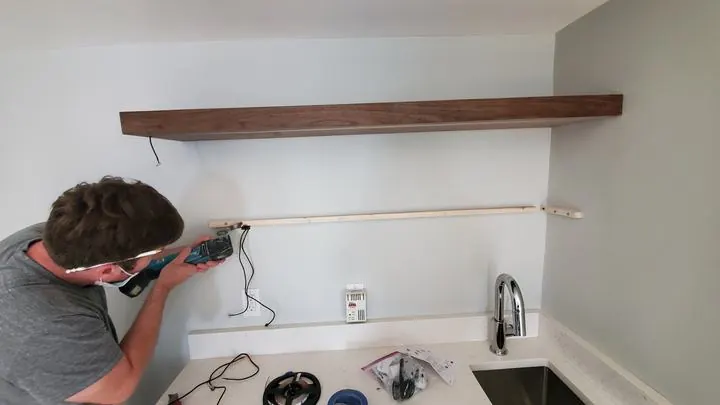 Hiring & PlanningMassachusetts contractor deposit law: how much can a contractor ask for upfront?Massachusetts contractor deposit law in plain English: the one-third cap, the special-order exception and what a fair deposit looks like in Somerville.4 min read · Keep reading →
 Costs & BudgetsContractor shortage in Massachusetts: how to tell a real start date from a hopeful oneIs it really that hard to get a crew? A Somerville builder sorts the market from the myths and shows how to read a start date, a schedule and a delay clause.6 min read · Keep reading →
 Hiring & PlanningCan I fire my contractor? A Massachusetts homeowner's guide to ending a renovationThe crew still shows up, but the work is wrong or late and you want out. Here is the order to do it in, and where homeowners trip.9 min read · Keep reading →
 Hiring & PlanningMassachusetts home improvement contract requirements: what must be in writingMassachusetts home improvement contract requirements under c. 142A: required terms, notices and your 3-day right to cancel, from a Somerville builder.4 min read · Keep reading →
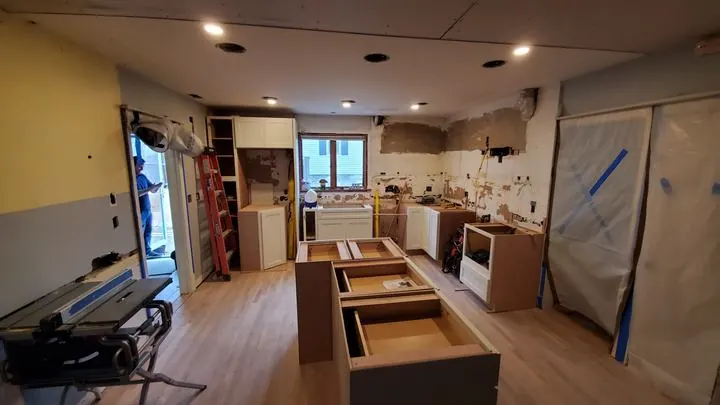 Hiring & PlanningMassachusetts Contractor License Lookup: How to Check HIC, CSL and Lead-Safe StatusMassachusetts contractor license lookup made simple: check HIC registration, CSL license, the Guaranty Fund and lead-safe status before a Somerville job.4 min read · Keep reading →
Mateus Magno founded Magno & Co in 2020. He is a licensed Massachusetts Construction Supervisor (CS-123658), registered Home Improvement Contractor (HIC #220484) and certified Lead-Safe Renovator Supervisor who has renovated and managed over $5 million in projects across Greater Boston.
More about Mateus →