






Which home repairs can wait and which can't: a Somerville builder's triage list
Money is tight and quotes are high. Here is how I sort an old house into fix now, fix this year, plan and save, and safe to defer.
 Mateus Magno
Licensed Construction Supervisor · November 18, 2026 · 7 min read
Quotes are high, borrowing is not cheap, and plenty of homeowners are asking me the same thing: can this wait? Sometimes it can. Sometimes waiting turns a small repair into a big one, and the difference is almost always water.
Here is the triage list I use on old houses in Somerville and the surrounding towns. It sorts every repair into four groups, with a table of what to ask a pro and a simple way to budget and phase the rest.
Why is everyone putting repairs off?
Cost is the main reason. A LendingTree survey of 2,000 U.S. consumers (an online, quota-based sample), fielded September 2 to 7, 2026 and published October 26, 2026, found that about a third of homeowners (34%) had put off at least one repair or maintenance task in the previous two years. Among homeowners who currently had repairs outstanding, 34% said the delay had made the repair more expensive, 29% said the original problem had gotten worse, and 25% said it had caused damage elsewhere in the home. It is a national survey of what people report, not a measure of Greater Boston costs.
A November 11, 2026 home-improvement column on Boston.com points to the usual pressures: labor shortages, fuel costs, tariffs on Canadian softwood lumber and higher borrowing costs on home equity lines. I am not going to quote tariff or loan rates here. The tariff figures I found did not agree with each other, and your own lender can give you today's rate. What I can say is that the cost of waiting has more to do with what the house is doing than with the market.
If you do borrow, read my guide to renovation loans in Massachusetts first, and compare it with paying in phases.
The four groups I sort every repair into
- Fix now: anything where water is getting in, anything that could hurt someone, and a heating system that is failing as winter starts.
- Fix this year: problems that are not an emergency but get worse every time water or weather reaches them.
- Plan and save: the big, expensive, mostly comfort projects: kitchens, baths, finishes.
- Safe to defer: cosmetics, as long as they are not covering up a problem.
The test is simple. Ask whether the problem is getting worse, and whether it is being made worse by water. If yes to either, it moves up the list.
What has to be fixed now?
These are the items I do not let owners park, even on a tight budget.
| Item | Why it can't wait | What to ask a pro |
|---|---|---|
| Active leaks (roof, walls, basement) | Wet framing and insulation rot and grow mold, and the damage spreads out of sight | Where is the water coming from, and what is the smallest repair that stops it? |
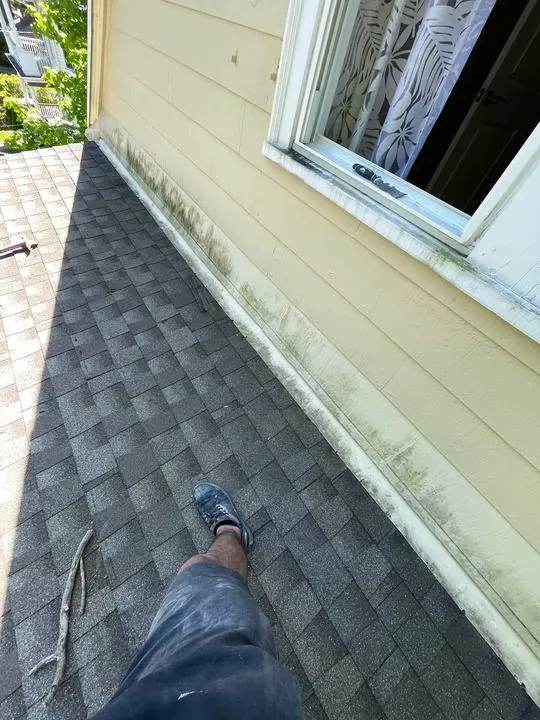
| Failing roof or flashing | Flashing at chimneys, walls and valleys is where many leaks start, and winter ice makes it worse | Can this be repaired, and how many years does a repair really buy? |
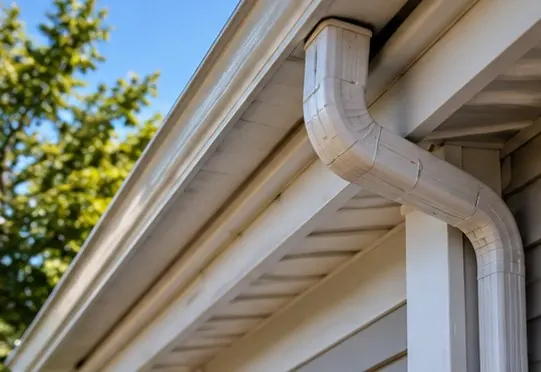
| Gutters, downspouts and grading | Roof water dumped at the foundation ends up in the basement | Where does each downspout discharge, and does the ground slope away? |
| Electrical hazards | Scorched outlets, buzzing panels, breakers that trip repeatedly or exposed wiring are fire risks | Is this safe to leave on, and what needs a permit? |
| Heating system problems | A boiler or furnace that is leaking, short-cycling or failing is a no-heat call in January | Repair, or replace? What is its condition and age? |
| Structural movement | New cracks, doors that suddenly stick, sagging floors or a bowing wall can mean a load problem | Is it still moving? Do I need an engineer? |
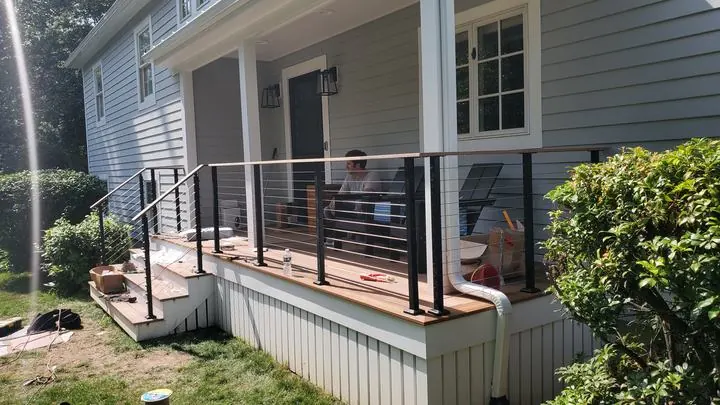
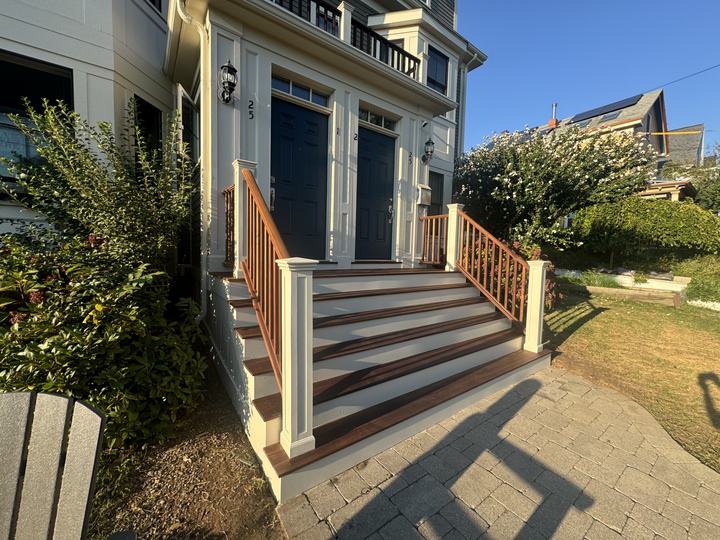
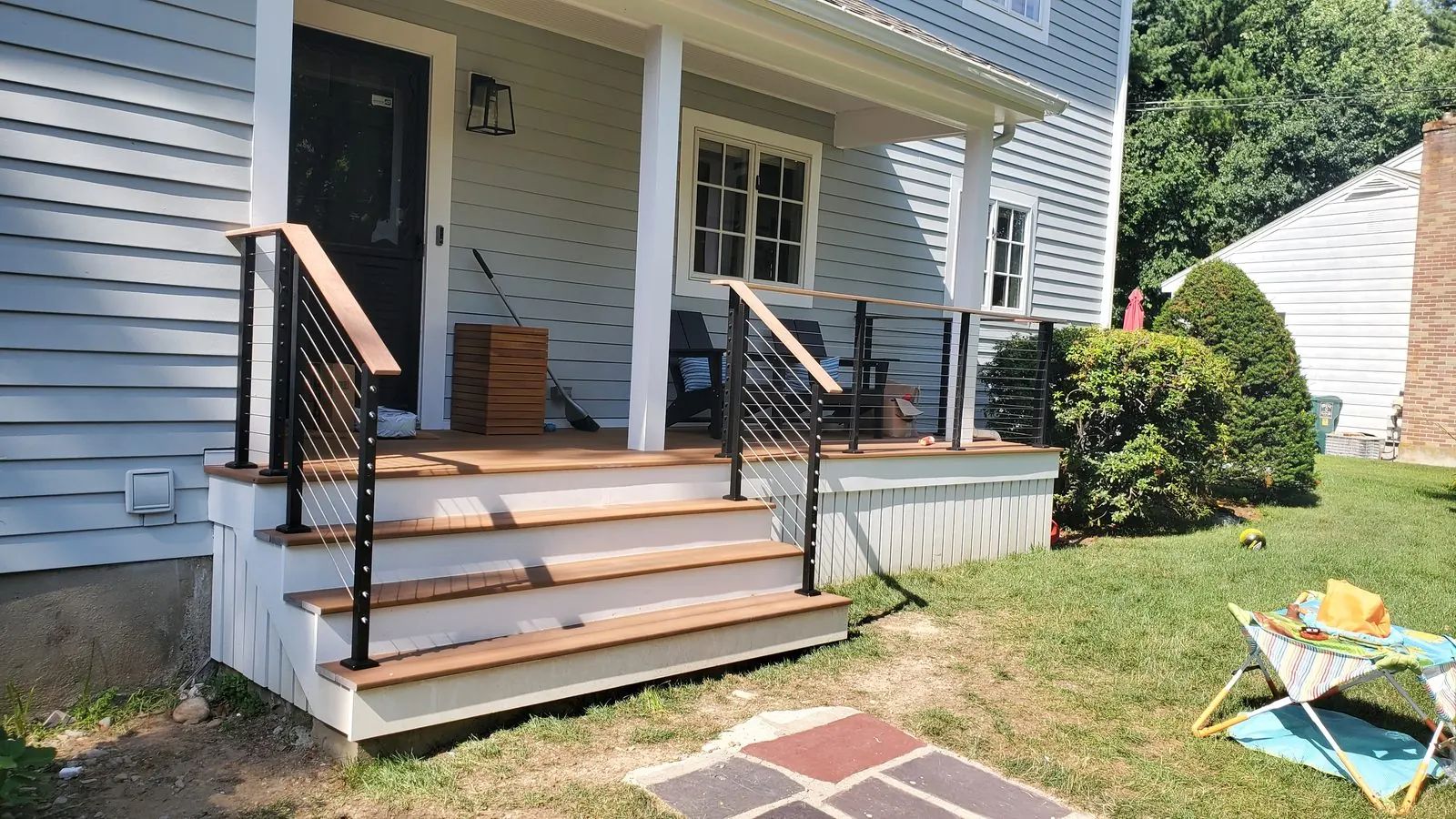
| Safety items | Loose stair or porch rails, missing smoke and CO alarms, trip hazards | Is this code-compliant and who may fix it? |
A few safety notes. Electrical and gas work needs a licensed electrician or plumber/gasfitter, with permits where required. See Somerville's electrical and plumbing permit rules. If a carbon monoxide alarm goes off, get everyone outside and call 911 or the fire department. Don't try to diagnose it yourself. If you smell gas, leave right away and call 911 or the gas company from outside. If an outlet is scorched, hot or buzzing, stop using it, turn off that breaker if you can reach the panel safely, and call a licensed electrician. Call 911 for smoke or fire. For alarms, read smoke and CO detector rules. Don't climb on a winter roof yourself, because a fall is far costlier than any repair.
For specifics, I have written about roof repair versus replacement, gutters, wet basements, boilers and porch and stair safety. Those pages also have cost ranges, so I won't repeat numbers here.
What should be fixed this year, even if it isn't an emergency?
This is the group where waiting quietly costs money. It is the work that becomes bigger if water keeps getting in.
- Siding, trim and caulk around windows and doors. A few gaps are not urgent. A wall that is wet every storm is.
- Rot at sills, porch posts and deck framing. It can be repaired in sections now. Left alone, it spreads.
- Old windows that leak air or water. Weatherstripping, glazing and storm windows can stretch their life while you save for a plan. Read window replacement in Somerville before you decide.
- Air sealing and attic insulation. Not a repair, but it lowers the load on a tired heating system. See air sealing an old house.
- Ice dams and attic moisture. If you had them last winter, plan for them before January. See what causes ice dams.
How do I get a written list of what's wrong?
Before you decide what to defer, put the problems on paper. A written list stops you from arguing with yourself, and it gives every contractor the same starting point. It's also why quotes vary so much, as I explain in why contractor quotes differ.
- Walk the house this week. Start at the roof edge and gutters, then the foundation and basement, then the attic, then each room. Take dated photos of stains, cracks and anything damp.
- Hire a licensed home inspector. Massachusetts licenses home inspectors through the Board of Registration of Home Inspectors, so ask for a license number. Buyers usually hire them, but owners can too, and the report is a useful map before a big project. Ask for photos in it.
- Ask for ranking. Ask the inspector or a builder to mark each item as urgent, this year or monitor.
- Get the same scope quoted by two or three licensed contractors. Give each one the same written list.
I do this walkthrough for free and give owners a written list sorted into the four groups. I never put a number on it until I've seen the house.
What can I plan and save for?
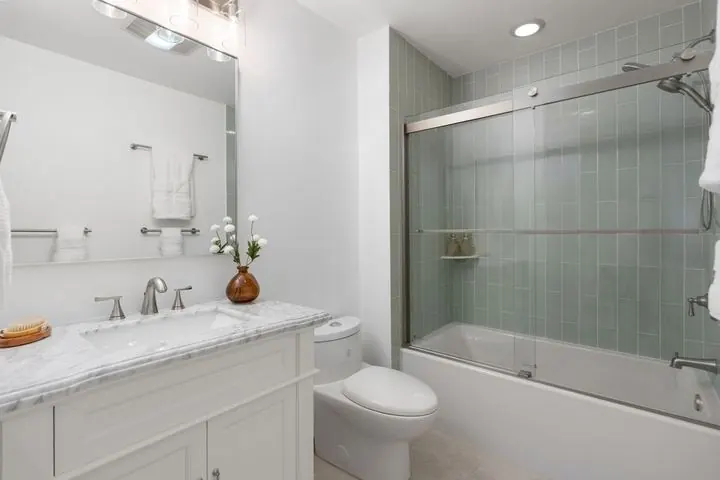
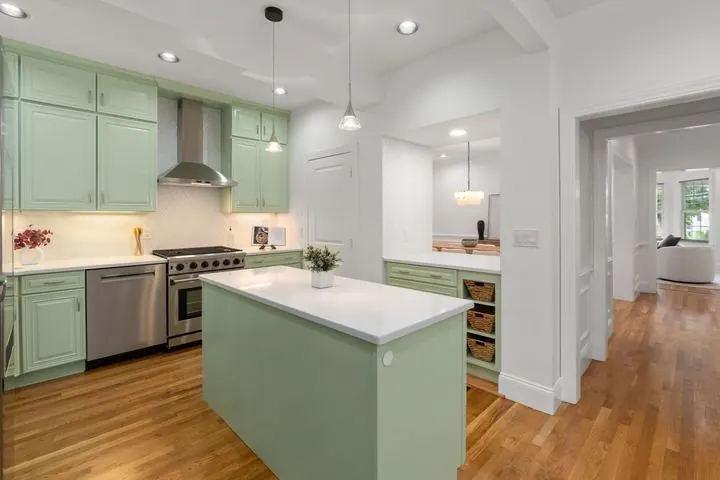
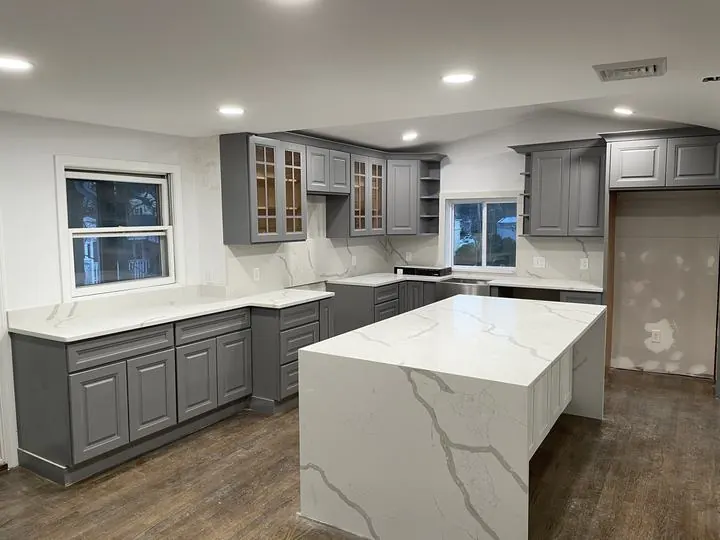
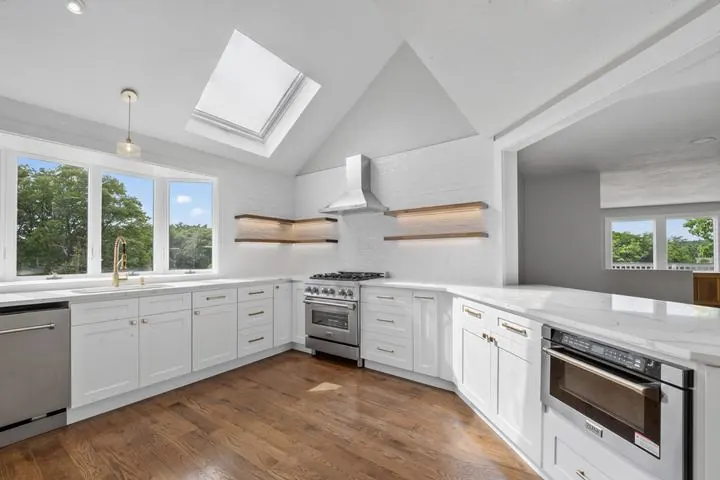
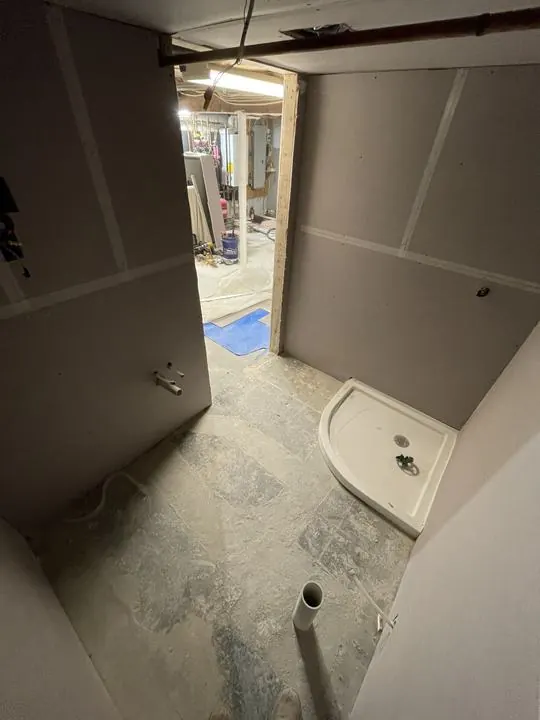
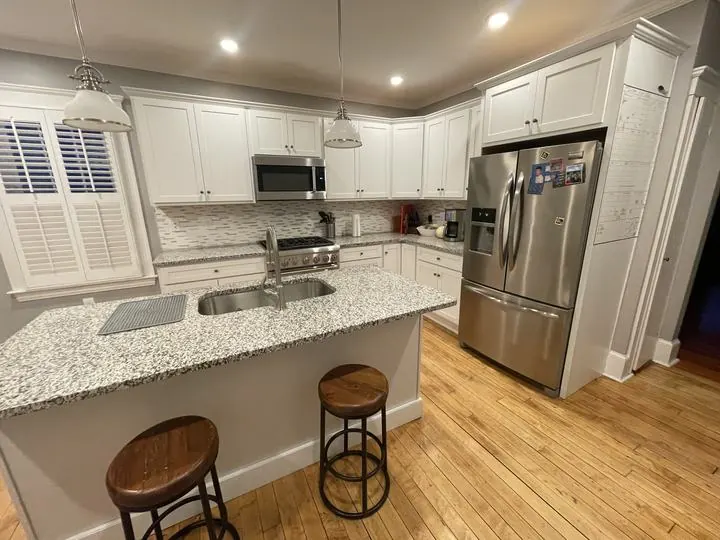
Kitchens, bathrooms, new finishes, flooring and layout changes belong here. They matter, but a dated kitchen doesn't damage your house. A leaking roof over it does.
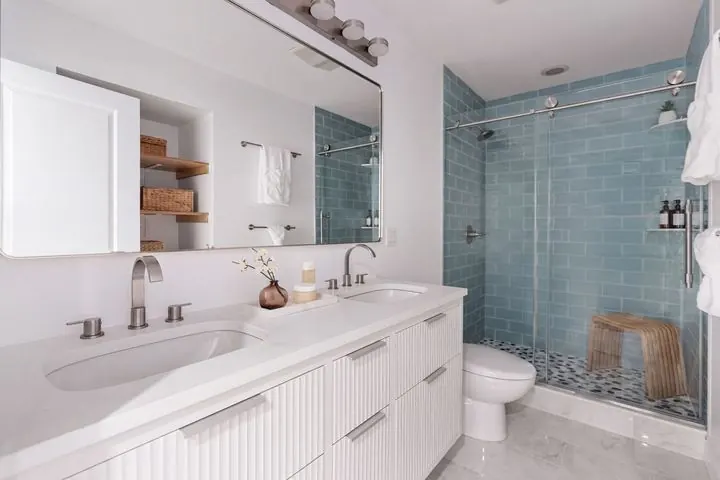
- Refresh instead of replace. Paint, counters, faucets and refacing can carry a kitchen for years. See a bathroom on a budget and kitchen remodel costs.
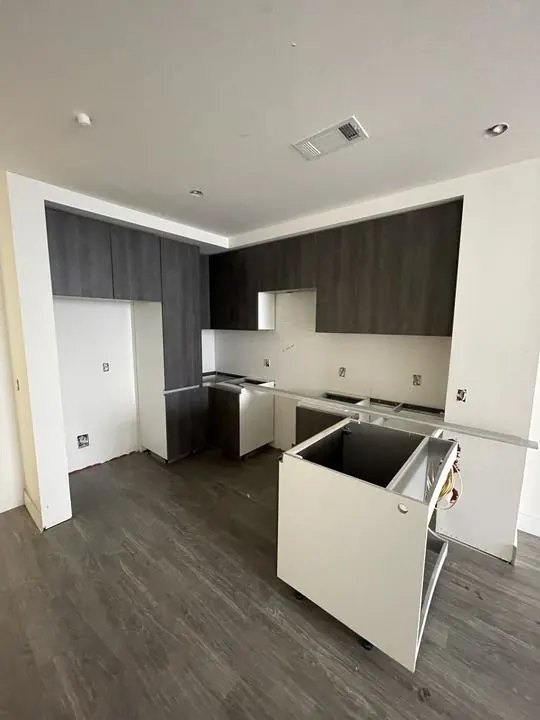
- Rough in now, finish later. If a full remodel is two or three years away, ask whether plumbing, electrical or ductwork should be run now, so you don't reopen finished walls later. That's the smart version of staging.
- Know the order. My article on what to renovate first covers sequence, and renovation regrets covers the mistakes owners make when they skip it.
How do I budget and phase the work?
Start with a repairs reserve: a separate account that you add to every month, only for the house. Older houses need money for something every year, so I'd rather see a steady habit than a surprise. My Old-House Maintenance Calendar lays out what to check each season, so the reserve goes to small jobs before they grow.
Then phase the list:
- Phase 1 (now): water entry, safety, heat.
- Phase 2 (this year): exterior envelope and the items that get worse with water.
- Phase 3 (next year or two): comfort and efficiency.
- Phase 4: kitchens, baths and finishes, with rough-ins already done.
Can waiting really cost more?
Yes, for one reason: water compounds. A small flashing gap lets water into the roof deck. The deck stays damp, the insulation stops working, the ceiling stains, and then you have a roofer, a carpenter, a drywall finisher and a painter on the bill instead of one. I can't give you a single dollar figure for that, because every house is different, and I won't pretend otherwise.
The opposite is also true. Spending on finishes while a leak continues is the most common waste I see. Paint over a damp wall and it tends to fail.
So here is my rule: if waiting means more water, don't wait. If waiting means only more time with a dated bathroom, wait as long as you need to.
Want help sorting your list?
I'm Mateus, a licensed builder in Davis Square. Since 2020 I've renovated and managed over $5 million in projects around Somerville and Greater Boston. If you aren't sure what in your house is urgent and what isn't, book a free walkthrough and I'll walk the house with you and give you a written list sorted by priority.
Frequently asked questions
Should I delay costly home repairs right now?
Delay only the ones that are not making the house worse. Active water entry, a failing roof or flashing, drainage problems, electrical hazards, a failing heating system and safety problems should not wait. Kitchens, baths and cosmetic updates usually can.
Which home repairs can safely wait?
Cosmetic work such as paint, flooring and dated finishes, and planned remodels of kitchens and baths, as long as they are not hiding a leak or a structural problem. Windows can often be stretched with weatherstripping and storm windows while you plan a replacement.
Which repairs get more expensive if I wait?
Anything involving water. In a LendingTree survey published October 26, 2026, 34% of homeowners with outstanding repairs said the delay had increased the cost, 29% said the problem had gotten worse and 25% said it had damaged other parts of the home. It is a national survey, not Boston pricing.
How do I get a written list of what my old house needs?
Walk the house with a camera, then hire a licensed Massachusetts home inspector for a report with photos, and ask them or a builder to rank each item as urgent, this year or monitor. Give the same list to two or three licensed contractors for quotes.
How should I budget for repairs on an old house?
Keep a separate repairs reserve and add to it every month. Then phase the work: water and safety first, the exterior next, comfort and efficiency after that and finishes last. Ask about rough-ins for later phases so you don't reopen finished walls.
Can I do any of this myself?
You can walk the house, take photos, clear gutters from the ground and test smoke alarms. Roof work, electrical and gas work, structural repairs and anything involving lead paint or asbestos should go to licensed pros. If a carbon monoxide alarm sounds, leave the house and call 911 or the fire department.
See my published prices and how I quote a job, and the towns I work in.
Read this next
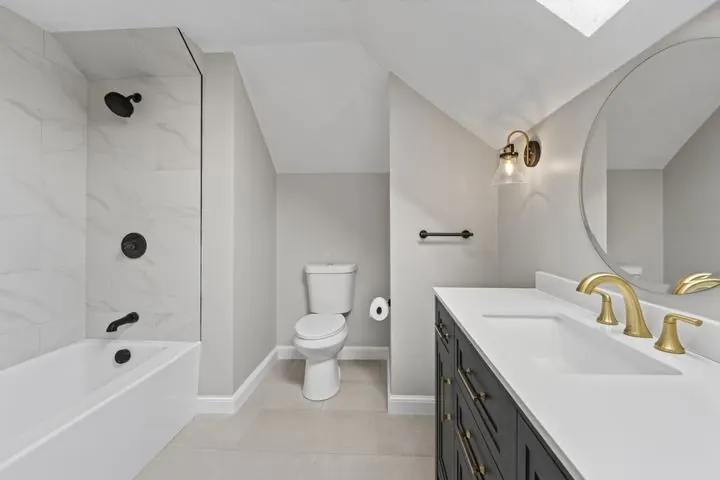 Costs & BudgetsWhat to Renovate First in an Old Boston-Area House (The Order That Avoids Redoing Work)Paint, floors or wiring first? A Somerville builder's order of operations for a 1900-1930 house, so you rip out less finished work.7 min read · Keep reading →
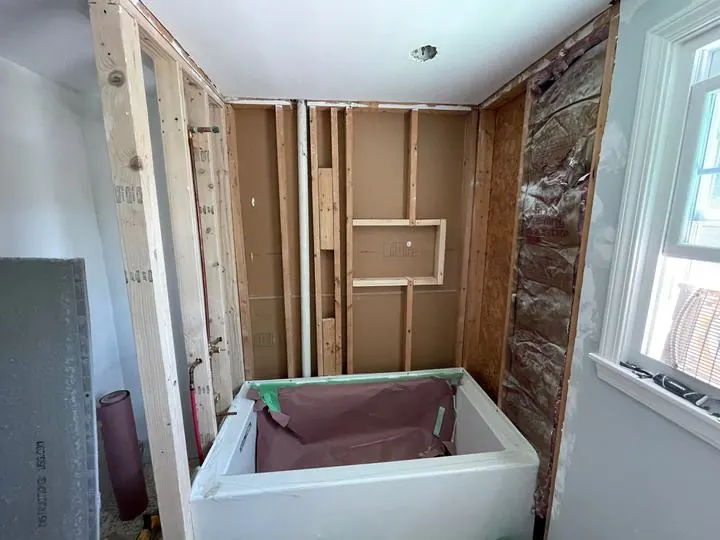 Costs & Budgets9 renovation regrets old-house owners keep telling me aboutOver budget, surprises behind the plaster, work done in the wrong order. A Somerville builder's list of what owners regret and what to do instead.8 min read · Keep reading →
 Home Care & SafetyHow to winterize an older Somerville home: a builder's fall checklistA builder's fall checklist to winterize an older Somerville home: heating tune-up, Mass Save air sealing, frozen pipes, spigots, gutters and alarms.4 min read · Keep reading →
 Kitchens, Baths & ExteriorsRoof Repair in Somerville, MA: When to Repair and When to ReplaceRoof repair in Somerville, MA or full replacement? Signs to check on older Greater Boston homes, flat triple-decker roofs, permits and what a quote shows.4 min read · Keep reading →
 Home Care & SafetyWet basement repair in Greater Boston: causes and fixes, from cheap to expensiveWet basement repair in Greater Boston: why old Somerville homes leak, fixes from gutters to waterproofing, national costs and engineer red flags.4 min read · Keep reading →
 Costs & Budgets3 quotes, 3 very different prices: what is really inside each contractor bidSame job, three bids, very different totals. A Somerville builder on what is inside a quote, why they differ and how to compare them fairly.9 min read · Keep reading →
Mateus Magno founded Magno & Co in 2020. He is a licensed Massachusetts Construction Supervisor (CS-123658), registered Home Improvement Contractor (HIC #220484) and certified Lead-Safe Renovator Supervisor who has renovated and managed over $5 million in projects across Greater Boston.
More about Mateus →