Ice dams on Somerville roofs: why they form and how to stop them
Why ice dams form on Somerville roofs, the damage they cause, and how to stop them with air sealing, insulation and Mass Save help, plus safe removal.
 Mateus Magno
Licensed Construction Supervisor · October 20, 2026 · 3 min read
Ice dams form when heat escaping from the house melts roof snow, and the water refreezes at the colder eaves. The lasting fix is air sealing the attic, adding insulation and keeping soffit-to-roof ventilation open, which Mass Save can help pay for. For removal, rake snow from the ground and leave ice to a pro rather than chipping it.
Every snowy winter I get the same calls from Somerville homeowners: water dripping from a ceiling, stains spreading on a third-floor wall, or a row of giant icicles along the gutter. Nine times out of ten it's an ice dam. The good news is that ice dams have a clear cause, and in most older homes they're fixable.
Why ice dams form
The National Weather Service explains it simply: heavy snow on a roof melts, then refreezes when temperatures drop. On a house, the melting usually isn't from the sun. It's from your heat.
- Warm air leaks from the living space into the attic or roof cavity.
- The roof deck warms up and melts the snow sitting on it.
- Meltwater runs down to the eaves, which hang out past the warm walls and stay cold.
- The water freezes at the edge and builds a ridge of ice. More meltwater pools behind it.
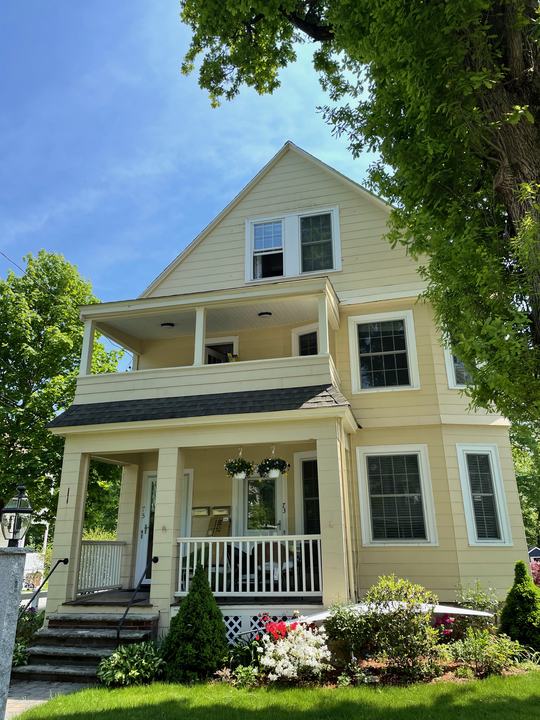
ENERGY STAR lists ice dams as one of the signs a home needs attic air sealing. In Somerville's 1900–1930 housing stock, especially triple-deckers with low-slope roofs and top-floor units heated right up to the roof boards, that's exactly what I find.
What ice dams damage
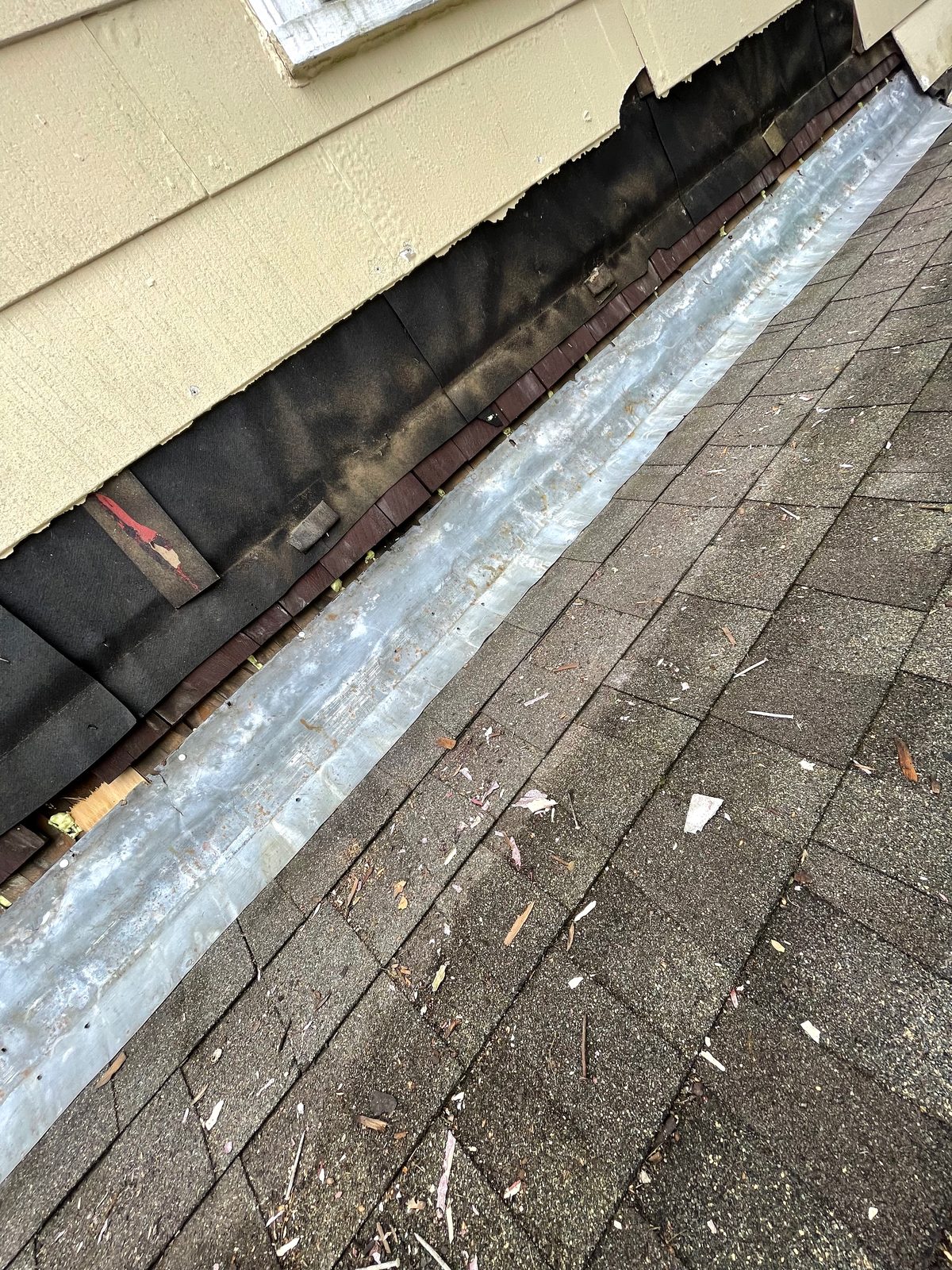
That pooled water has nowhere to go but up and under the roofing. According to the NWS, it can work under shingles and into the attic, then damage ceilings, walls and belongings. If nobody notices for a while, the damage can be extensive.
- Stained or sagging plaster ceilings on the top floor.
- Wet insulation that stops working and can grow mold.
- Rotted roof sheathing, fascia and soffits.
- Gutters pulled off the house by the weight of the ice.
- Falling icicles over porches, stairs and sidewalks.
Prevention: keep the roof cold
The real fix happens inside the attic, not on the roof. You want the roof deck to stay close to outdoor temperature so snow doesn't melt unevenly.
- Air seal first. The EPA's ENERGY STAR program recommends sealing the attic before adding insulation, and says air sealing combined with insulation helps prevent ice dams. Big leaks hide at attic hatches, kneewalls, plumbing and wiring holes, recessed lights and chimney chases.
- Insulate to modern levels. For Massachusetts' climate, ENERGY STAR recommends R60 for an uninsulated attic and R49 if you already have 3–4 inches.
- Ventilate. Outdoor air moving in at the soffits and out at the ridge or gables keeps the attic cold. ENERGY STAR warns to never cover soffit vents with insulation; use rafter vents (baffles) instead.
- Keep gutters clean. The NWS lists clearing leaves and debris from gutters and downspouts as a basic prevention step.
Let Mass Save pay for most of it
Air sealing and insulation are exactly what Mass Save covers. Start with a no-cost Home Energy Assessment for 1- to 4-unit homes. Mass Save lists 75–100% off approved insulation and no-cost targeted air sealing, with income-eligible households able to get insulation at no cost. My Somerville rebates and loans guide explains how to stack it with the 0% HEAT Loan.
Safe removal and when to call a pro
- Rake from the ground. The NWS recommends a long-handled roof rake to pull snow off, which also reduces heavy snow loads. Clear the first few feet above the eaves.
- Don't chip the ice. Hammers, axes and shovels tear shingles and gutters, and climbing an icy roof or ladder is how people get badly hurt.
- Skip the quick fixes. Blowtorches and open flames have no place on a roof.
- Call a pro if water is coming inside, the ice ridge is large, or the roof is steep or three stories up. Roofing crews use low-pressure steam to melt a channel without damaging the roof.
Once winter is over, fix the cause. If the job turns into new sheathing or a reroof, check my Somerville permit guide first.
Need a hand?
If your Somerville home gets ice dams every winter, I can look at the attic, find where the heat is escaping, and plan the air sealing, insulation and ventilation with Mass Save so the problem doesn't come back. Book a walkthrough and let's get it sorted before the next big storm.
Frequently asked questions
What causes ice dams on my roof?
Heat leaking from the house warms the roof and melts the snow, and the water refreezes at the colder eaves. The ice ridge then traps more meltwater, which can back up under the shingles.
How do I prevent ice dams permanently?
Air seal the attic, add insulation to recommended levels (ENERGY STAR suggests R49 to R60 in Massachusetts) and keep soffit-to-ridge ventilation open. Clean gutters and rake snow off the eaves after big storms.
Does Mass Save help pay for ice dam prevention?
Mass Save doesn't pay for ice removal, but its no-cost Home Energy Assessment can unlock 75-100% off approved insulation and no-cost targeted air sealing, which address the root cause.
Is it safe to chip ice dams off my roof?
No. Chipping damages shingles and gutters and is dangerous on a ladder or icy roof. Rake snow from the ground and call a pro who uses steam for the ice itself.
Mateus Magno is the founder of Magno & Co — a licensed Massachusetts Construction Supervisor (CS-123658), registered Home Improvement Contractor (HIC #220484) and certified Lead-Safe Renovator Supervisor who has renovated and managed over $3 million in projects across Greater Boston.
More about Mateus →