How to winterize an older Somerville home: a builder's fall checklist
A builder's fall checklist to winterize an older Somerville home: heating tune-up, Mass Save air sealing, frozen pipes, spigots, gutters and alarms.
 Mateus Magno
Licensed Construction Supervisor · October 20, 2026 · 4 min read
To winterize an older Somerville home, get the heating system and chimney serviced, book a no-cost Mass Save Home Energy Assessment for air sealing and insulation, protect pipes on exterior walls and in unheated basements, shut off and drain outdoor spigots, clean gutters, check porches and stairs, and test smoke and CO alarms. Doing it in October beats fixing a burst pipe in January.
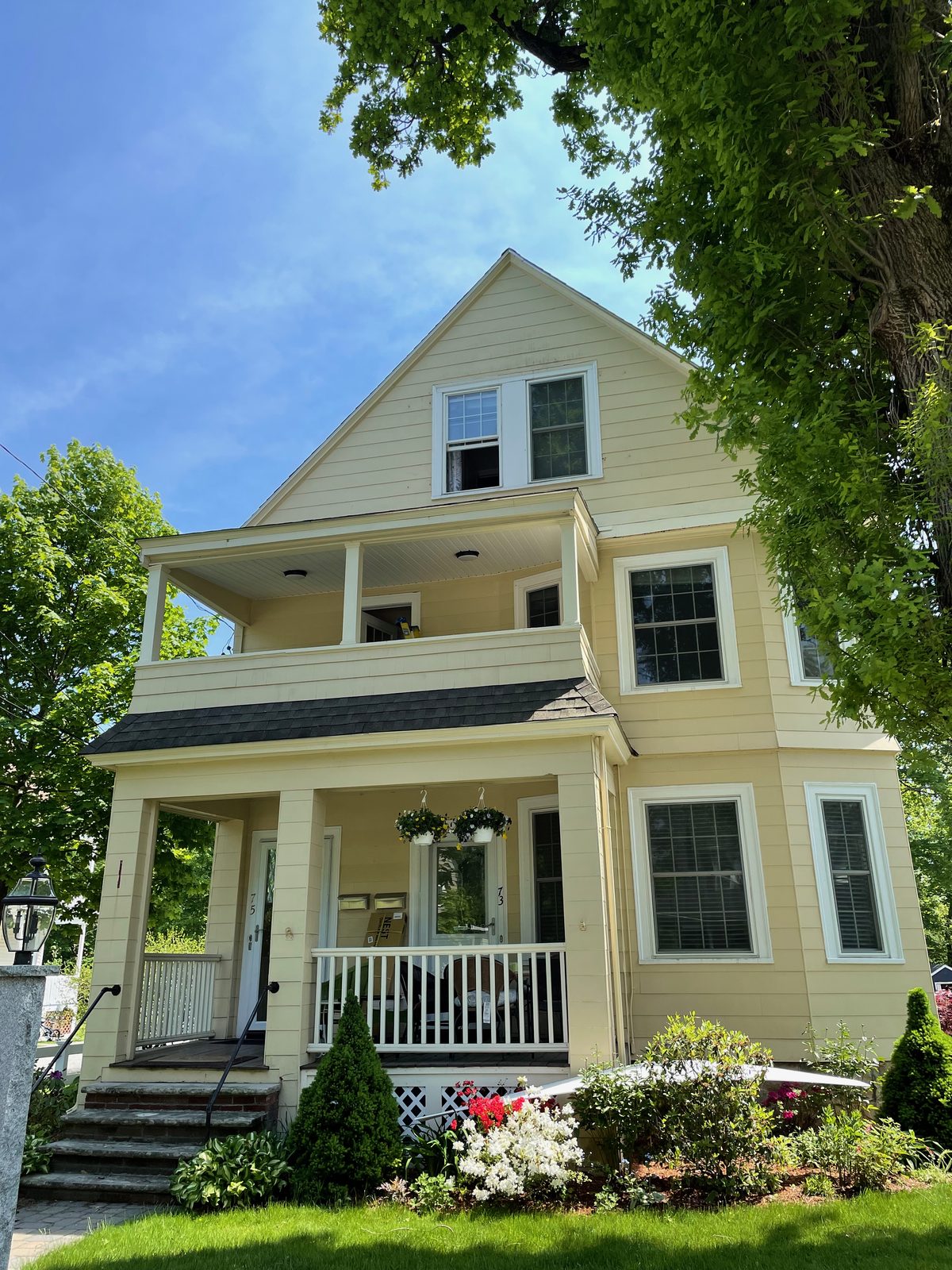
Most of the houses I work on in Somerville were built between about 1900 and 1930: triple-deckers, two-families and the odd single with a stone foundation and balloon-framed walls. They're solid homes, but they leak heat, they hide plumbing in cold corners, and they punish anyone who skips fall maintenance. Here's the checklist I walk through with my clients every October.
1. Heating system and chimney: service before the first cold snap
Your boiler or furnace is doing the heavy lifting all winter, so it gets attention first. The NFPA recommends having heating equipment and chimneys inspected and cleaned every year by a qualified professional, and the EPA says the same for wood stoves, chimneys and vents.
- Book the tune-up in September or October, before every technician in Greater Boston is booked solid.
- In a triple-decker, each unit often has its own system. Service all of them, not just yours.
- Bleed radiators and check that nothing is blocking them (furniture, curtains, stored boxes).
2. Air sealing and insulation: start with Mass Save
Old Somerville houses lose a lot of heat through gaps you can't see: attic hatches, open wall cavities, plumbing chases and basement rim joists. The best first step costs nothing. Mass Save offers a no-cost Home Energy Assessment for 1- to 4-unit homes, which covers nearly every two-family and triple-decker in the city.
- The assessment can unlock 75–100% off approved insulation and no-cost targeted air sealing, per Mass Save.
- Mass Save says insulation and air sealing can cut heating and cooling costs by up to 15%.
- Landlords and renters can both book assessments, which matters in a city full of owner-occupied rentals.
I break down how the rebates and the 0% HEAT Loan stack together in my Somerville rebates and loans guide.
3. Pipes in exterior walls and unheated basements
This is where older homes bite. Kitchens on the back wall of a triple-decker, laundry lines along a fieldstone foundation, and supply pipes in an unheated rear porch enclosure are classic freeze points.
- Insulate water lines that run along exterior walls, as the EPA advises.
- Seal cracks and drafts near pipes in the basement, especially around old window openings and where pipes pass through the foundation.
- If you travel, the National Weather Service says to leave the heat at at least 55 degrees.
- Find your main water shutoff now and make sure it actually turns. Label it for every tenant.
- Never thaw a frozen pipe with a torch. The EPA is clear on that one.
4. Outdoor spigots, gutters and drainage
- Hose bibs: shut off and drain outdoor spigots before freezing temperatures arrive (EPA). Disconnect the hose, close the inside valve, then open the outside faucet to let it drain.
- Gutters and downspouts: clean out leaves after the trees in your neighborhood drop them. Clogged gutters are a direct path to ice dams.
- Downspout discharge: make sure water runs away from the foundation, not into the basement window well.
- Sump pump: if you have one, pour a bucket of water into the pit and confirm it kicks on and discharges outside.
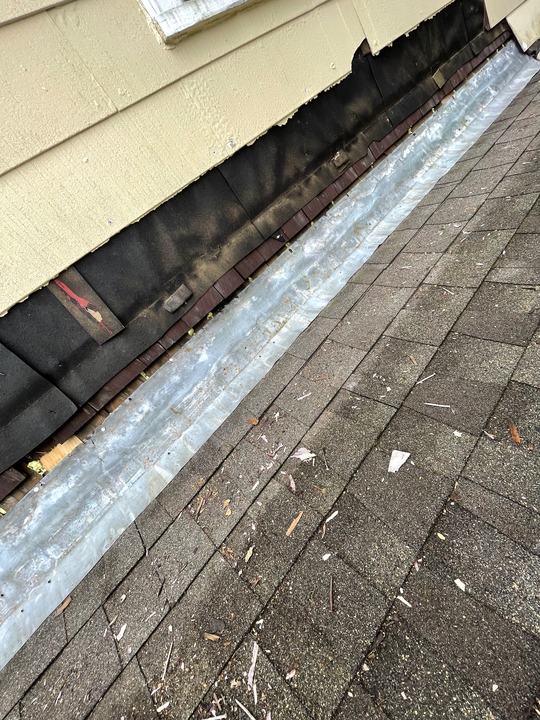
- Roof: the EPA recommends repairing any roof leaks before winter weather arrives.
5. Porches, stairs, windows and alarms
Stacked porches are part of what makes Somerville housing so recognizable, from Winter Hill to Spring Hill. They're also exposed to every freeze-thaw cycle.
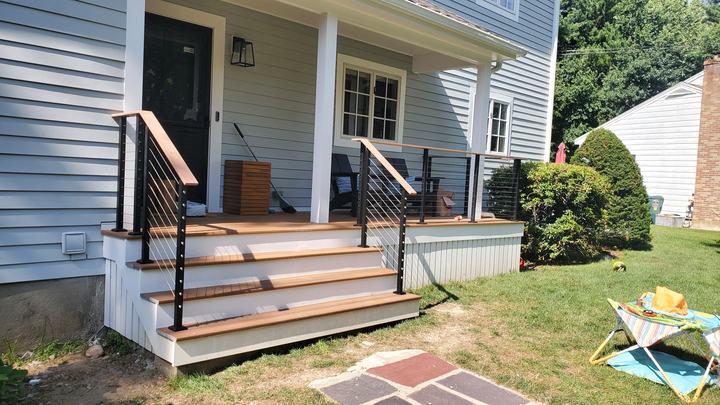
- Walk every porch and stair. Look for soft treads, loose railings and posts rotting at the base. Ice makes a weak stair dangerous.
- Close and lock storm windows, replace torn weatherstripping, and caulk gaps at trim. If you're scraping or replacing old sash, read my notes on lead paint in older homes first.
- Test smoke and CO alarms. The NFPA says to test smoke alarms monthly and replace them when they're 10 years old.
- Massachusetts requires CO alarms on every level of the home, including habitable basements and attics, and within 10 feet of bedroom doors, per Mass.gov.
- After a storm, clear snow off furnace, boiler and dryer vents. Blocked vents can push carbon monoxide back inside.
Need a hand?
If you'd rather have a licensed builder walk your house with you, I'll go through this checklist room by room, flag what needs fixing before winter, and help you line it up with Mass Save so you're not paying for work the program covers. Book a walkthrough and let's get your Somerville home ready before the first freeze.
Frequently asked questions
When should I winterize my house in Somerville?
Aim for September through October, before the first hard freeze. Heating technicians and Mass Save assessments book up fast once it gets cold.
Is the Mass Save Home Energy Assessment really free?
Yes. Mass Save offers no-cost virtual or in-person assessments for 1- to 4-unit homes, and they can unlock 75-100% off approved insulation plus no-cost targeted air sealing.
How do I keep pipes from freezing in an old house?
Insulate water lines along exterior walls, seal drafts near pipes, keep the heat at least 55 degrees if you're away, and know where your main shutoff is. On extreme cold nights, open sink cabinets and let faucets on exterior walls drip.
Do I need to shut off my outdoor spigot in Massachusetts?
Yes. The EPA recommends shutting off and draining outdoor spigots before freezing temperatures arrive. Close the inside valve, disconnect the hose and open the outside faucet to drain it.
Mateus Magno is the founder of Magno & Co — a licensed Massachusetts Construction Supervisor (CS-123658), registered Home Improvement Contractor (HIC #220484) and certified Lead-Safe Renovator Supervisor who has renovated and managed over $3 million in projects across Greater Boston.
More about Mateus →