








Contractor shortage in Massachusetts: how to tell a real start date from a hopeful one
Is it really that hard to get a crew? A Somerville builder sorts the market from the myths and shows how to read a start date, a schedule and a delay clause.
 Mateus Magno
Licensed Construction Supervisor · November 18, 2026 · 6 min read
Homeowners across Greater Boston ask me some version of this: "Why can't anyone start for months, and why is my project already late?" Most people read a missed date as a sign of a bad contractor. Sometimes it is. Often it's the way the trades, the permit and the materials line up.
Here is what the market data says, why schedules move, what a real start date sounds like, and the clauses that keep lateness honest.
Is there really a contractor shortage?
Two industry sources, and they don't say the same thing.
- NAHB. The builders' association's Remodeling Market Index for Q3 2026 came in at 62, released October 8, 2026. Its chief economist said labor shortages are extending how long projects take, and linked them to immigration enforcement and competition from data center construction. I'm not taking a side on the politics. I just have to schedule around the result.
- Houzz. The Q3 2026 Houzz Pro barometer, published July 15, 2026, put the national average project backlog at 6.1 weeks, the same as a year earlier. That is 424 remodelers surveyed July 2 to 8, not a Boston number.
So "everyone is booked for six months" is not what the national data shows. It's also true that good trades and crews are not sitting idle, and a small firm's calendar can be tighter than an average. I couldn't find a current Boston-specific wait-time figure, so I won't make one up. The practical lesson: the date you're given matters less than what the date depends on.
Why does a start date move?
In my experience, a slip usually comes from one of these:
- Permit timing. Massachusetts code gives the building official 30 days from filing to act, but zoning or historic approval runs on its own clock. See how long a Somerville permit takes.
- Special-order materials. Cabinets, windows, custom glass and some tile arrive on the supplier's schedule, not mine.
- The previous job. A crew can't leave a job half done to start yours. If that job hits a surprise in a 100-year-old wall, your date moves.
- Inspections. Rough plumbing, electrical and gas work can't be covered until inspected.
- Weather. Exterior work, concrete and many finishes have minimum temperatures on the label. Winter makes this more of a factor.
- Hidden conditions. Rot, old wiring and galvanized pipe show up after demolition, not before.
- The owner side. Late selections, changes mid-job and limited access are real causes too.
How does a builder sequence the trades?
Each trade waits on the one before it. Here's a typical full bathroom, using the same order as my bathroom timeline:
| Step | It can't start until | Where it slips |
|---|---|---|
| Demo and framing repairs | Permit issued, dumpster and parking sorted | Hidden rot or notched joists |
| Plumbing and electrical rough-in | Framing is done and fixtures are chosen | Specialty trade availability |
| Rough inspections | Rough-in is complete | Inspector's calendar, failed items |
| Insulation and drywall | Inspections passed | Drying time between coats |
| Waterproofing and tile | Walls are ready, tile is on site | Tile or pan back-ordered |
| Fixtures, glass, final | Tile cured, glass measured after tile | Custom glass lead time |
Notice the pattern. One late item pushes everything below it. That's why I order long-lead items first and don't schedule demolition until they have confirmed ship dates. My kitchen timeline works the same way with cabinets.
What does a real start date sound like?
A hopeful date is a number. A real date is a condition plus a number.
| Hopeful | Real |
|---|---|
| "We can start in two weeks." | "We start the week after the permit is issued and your cabinets have a confirmed ship date." |
| "The job will take about a month." | "About 3 to 5 weeks of construction once materials are on site, with inspection holds built in." |
| "Don't worry, we'll make it work." | "If the permit isn't issued by the 15th, I'll tell you in writing and give you the next realistic date." |
| "Send the deposit to hold your spot." | "The deposit follows the contract, and it's within the legal limit." |
Ask for the dependencies in writing: permit, special-order items, the crew's prior job. A builder who can name them has actually looked at your project. If you're comparing bids, a vague date is one more reason quotes differ, as I explain in why contractor quotes vary so much.
How do I read a schedule?
Whether it's a one-page list or a chart, look for five things:
- Milestones, not just a finish date. Permit, rough inspection, tile, final inspection.
- Material lead times. Each special-order item should have an order date and an expected arrival.
- Inspection holds. If the schedule shows drywall right after rough-in with nothing in between, it's optimistic.
- Buffer. A little slack for weather and surprises. A schedule with zero is a wish.
- Who updates it, and how often. Ask for a short written update every week.
If you want an independent read on a schedule, that's part of what I do as an owner's rep. My project management rate is $65 an hour, and my hiring guide includes the questions I'd ask before signing.
What does Massachusetts law say about dates and deposits?
For work on an owner-occupied one-to-four-unit home covered by the home improvement law, M.G.L. c.142A section 2 says the written contract must include:
- The date the work is scheduled to begin and the date it is scheduled to be substantially completed.
- A schedule of payments, with each amount stated in dollars.
On deposits, the statute says an advance deposit "shall not exceed the greater of one-third of the total contract price or the actual cost of any materials or equipment of a special order or custom made nature" that must be ordered before work begins. Same section: no final payment can be demanded until the contract is completed to the satisfaction of the parties, and a contract can't contain an acceleration clause.
Here is a hypothetical to show what the cap means. On a $60,000 contract, one-third is $20,000. A deposit above that is only allowed if the special-order items you're paying for cost more. My deposit post goes through it, and the home improvement contract guide covers the rest of the required terms.
The statute doesn't say what happens if the date is missed. That's for you and the contractor to write down.
What should the delay clause say?
Most contracts are silent. Here's what I'd want in plain words. This is an outline, not legal advice:
- Dates that depend on something. "Start is scheduled for [date], subject to permit issuance and delivery of the special-order items listed."
- Written notice of delay. The contractor tells you within a set number of business days of learning of a delay, with the cause and the new date.
- Excusable versus unexcused. Spell out what moves the date (permit, weather, hidden conditions, owner changes) and what doesn't.
- Weekly updates. A short written schedule update every week.
- A way out. If the work stops with no explanation, what notice you give and how long they have to fix it. If it comes to that, read what to do when a contractor goes quiet.
Some owners want a per-day penalty for lateness. I didn't find a Massachusetts ruling on whether those clauses hold up in a residential job, so don't assume one is enforceable. Have a lawyer review any penalty clause before you sign.
What can I do to keep my project on time?
- Make selections early. Tile, fixtures and cabinets are what take weeks to arrive. Late choices hold up the whole line.
- Book before you need to. It's mid-November. If you want spring work, start conversations now, and ask what the real calendar looks like.
- Hold off on changes. Every mid-job change moves the next trade.
- Confirm dates in writing when the permit is issued and when materials ship.
- Check the license first. See my hiring checklist.
Want an honest start date for your project?
I'm Mateus, a licensed builder in Davis Square. Since 2020 I've renovated and managed over $5 million in projects around Somerville and Greater Boston. If you'd like me to look at your project and tell you what a realistic start date and schedule would be, book a free walkthrough. If it turns out the timing isn't right, I'll say so.
Frequently asked questions
Is there a contractor shortage in Massachusetts right now?
Industry reports disagree on how bad it is. NAHB's Q3 2026 Remodeling Market Index, released October 8, 2026, cites labor shortages that are extending project times. Houzz's Q3 2026 barometer, published July 15, 2026, put the national average remodeler backlog at 6.1 weeks, unchanged from a year earlier. I couldn't find a current Boston-specific wait figure.
Why is my renovation taking longer than the contractor said?
Common causes are a slow permit, special-order materials arriving late, the crew's previous job running over, inspections, weather and hidden conditions in an old house. Owner changes and late selections also slow things down. Ask the contractor to name the cause and give you the new date in writing.
Does Massachusetts law require a start date in the contract?
Yes. For covered home improvement work, M.G.L. c.142A section 2 requires the contract to state the date the work is scheduled to begin and the date it is scheduled to be substantially completed. It doesn't say what happens if either date is missed, so that should be written into the contract.
How much deposit can a Massachusetts contractor ask for?
Under M.G.L. c.142A section 2, an advance deposit can't exceed the greater of one-third of the total contract price or the actual cost of special-order or custom-made materials that must be ordered before work starts. A contract also can't allow final payment to be demanded before the work is completed to the parties' satisfaction.
Can I put a late fee or per-day penalty in my contract?
You can ask, but I didn't find a Massachusetts ruling on whether residential per-day penalty clauses are enforceable, so don't assume one is. A notice-of-delay clause with weekly updates is easier to use in practice. Have a lawyer review any penalty clause before you sign.
What is a real start date versus a hopeful one?
A real start date is tied to conditions: permit issued, special-order materials with confirmed ship dates, and the crew finished with its prior job. A hopeful date is just a number. Ask the builder what has to happen first and what happens to your date if it doesn't.
See my published prices and how I quote a job, and the towns I work in.
Read this next
 Hiring & PlanningMassachusetts contractor deposit law: how much can a contractor ask for upfront?Massachusetts contractor deposit law in plain English: the one-third cap, the special-order exception and what a fair deposit looks like in Somerville.4 min read · Keep reading →
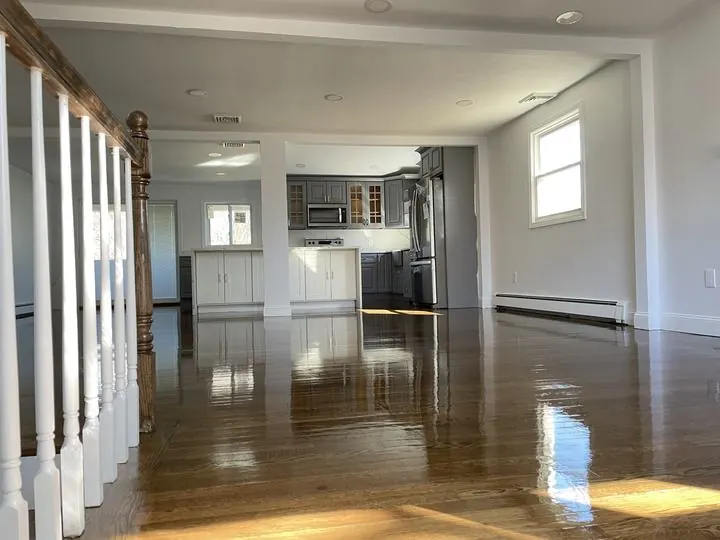 Hiring & PlanningHiring a contractor in Massachusetts: 8 checks before you signRegistration, licenses, the written contract, the deposit and who pulls the permit — what Massachusetts law expects, in plain English.3 min read · Keep reading →
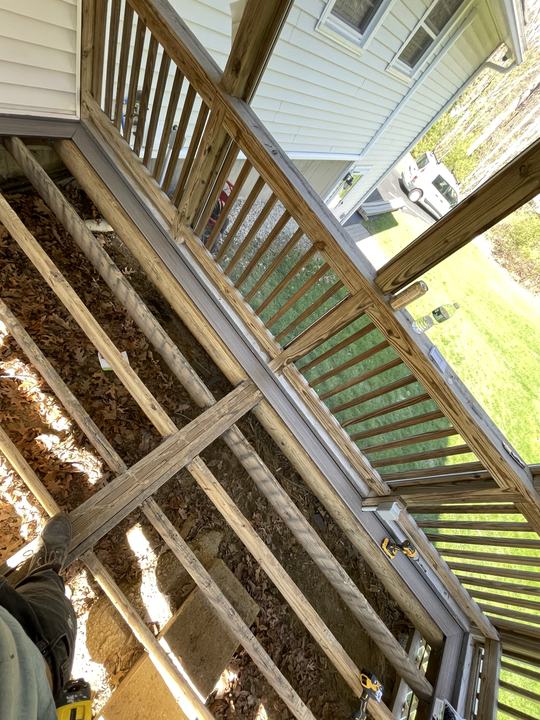 Permits & RulesHow long does it take to get a building permit? Somerville and Massachusetts timingHow long does it take to get a building permit in Somerville? The 30-day Massachusetts rule, what slows reviews, hearing timelines and how to speed it up.4 min read · Keep reading →
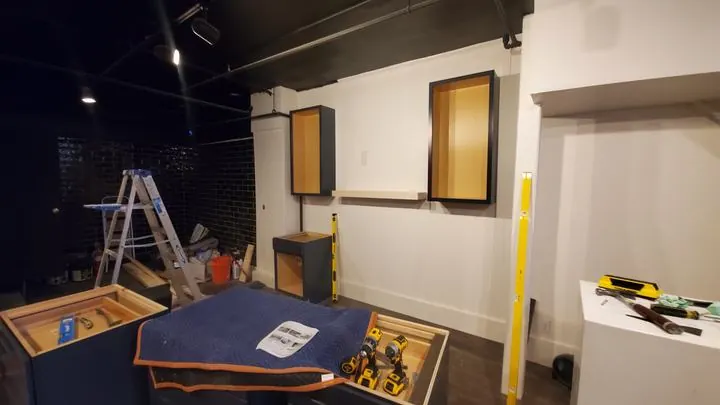 Hiring & PlanningContractor ghosted you? A week-by-week plan for Massachusetts homeownersDeposit paid, house half torn up, no callbacks. Here is what to do in the first 7 days and the weeks after, from a Somerville builder.9 min read · Keep reading →
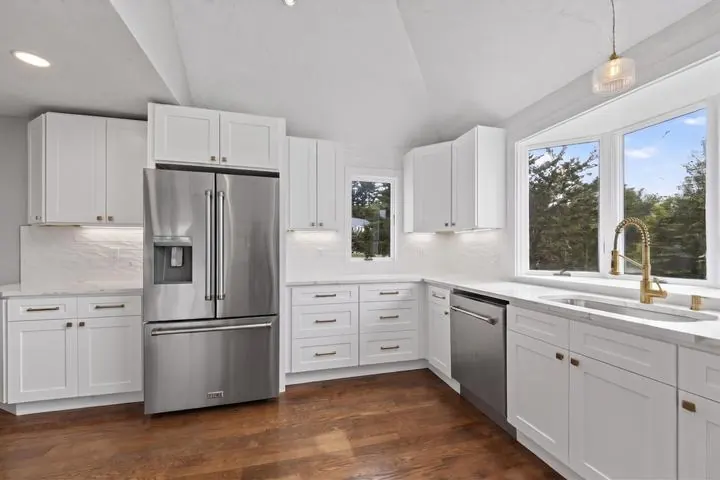 Hiring & PlanningMassachusetts home improvement contract requirements: what must be in writingMassachusetts home improvement contract requirements under c. 142A: required terms, notices and your 3-day right to cancel, from a Somerville builder.4 min read · Keep reading →
 Costs & Budgets3 quotes, 3 very different prices: what is really inside each contractor bidSame job, three bids, very different totals. A Somerville builder on what is inside a quote, why they differ and how to compare them fairly.9 min read · Keep reading →
Mateus Magno founded Magno & Co in 2020. He is a licensed Massachusetts Construction Supervisor (CS-123658), registered Home Improvement Contractor (HIC #220484) and certified Lead-Safe Renovator Supervisor who has renovated and managed over $5 million in projects across Greater Boston.
More about Mateus →