











Frost on the inside of your windows: humidity, cold glass or a real problem?
Wet sills, fogged glass or ice inside the window? A Somerville builder explains what causes it, what to do this week and when it means rot or a failed seal.
 Mateus Magno
Licensed Construction Supervisor · November 18, 2026 · 8 min read

Every cold snap, the same message reaches me: "My windows are wet inside, there's frost on the glass, and I'm afraid it's mold." In most Greater Boston houses it is indoor humidity meeting cold glass, and the fix is usually in your hands.
It can also be a real problem. Here is how to tell the difference, what to do this week, and which fixes need a pro.
Why does water or frost show up on the inside of the glass?
Warm indoor air holds water vapor. When that air touches a surface colder than its dew point, the vapor turns to water. If the glass is below freezing, it turns to frost. That is all condensation is, and it tells you two things: the glass is cold and the air is moist.
Glass temperature matters as much as humidity. RLC Engineering, an engineering firm, gives examples for a 70°F room (page last updated July 2019). With 30°F outside, condensation starts on single-pane glass when indoor humidity passes about 32%. On double-glazed glass it takes about 58%. At 10°F outside, single-pane glass condenses above about 17%.
That is why the old single-pane windows in a lot of Somerville and Cambridge houses sweat first, and why a bedroom with the door shut and two sleepers can fog its glass by morning.
Where does the moisture come from? NDSU Extension says each person adds about 3 pints of water vapor to the air per day just by breathing, and showers, cooking and laundry add more (January 2011 release). In an old house I also look for:
- A damp basement. Moisture comes up through the floor and walls and spreads upstairs.
- A humidifier set higher than the windows can handle.
- Laundry dried indoors and kettles or pots boiling without a lid or a fan.
- Bath and kitchen fans that vent into an attic or soffit instead of outside.
- Unvented kerosene or gas space heaters. They add moisture and can release carbon monoxide, so do not run them indoors. EPA says to vent moisture-producing appliances, including clothes dryers, outdoors where possible.
The tricky one is the house itself, which I cover in a minute.
Is it a harmless nuisance or a real problem?
Look at where the moisture is and what it does after you wipe it off.
| What you see | Most likely cause | What it means |
|---|---|---|
| Light fog on the bottom of the glass on cold mornings, gone by midday | Indoor humidity above what that glass can take | Normal in winter. Lower humidity, wipe it and watch it. |
| Frost or ice on the inside of single-pane glass or an old sash | Cold glass plus indoor moisture | Common in old houses. Fix humidity first, then warm the glass with storms or interior panels. |
| Water pooling on the sill, dripping onto trim or the wall below | Heavy condensation, often from a damp room | Act now. Wet wood that stays wet rots. |
| Fog or droplets between the panes of a double-pane unit that you can't wipe off | Failed seal in the insulated glass unit | Not a humidity issue. See the section on failed seals. |
| Black or green spots on the sill, frame or paint, or soft, dark wood | Repeated wetting | Mold or rot has started. Dry it and find the source. |
What humidity should I aim for in winter?
EPA says to keep indoor relative humidity below 60 percent, ideally between 30 and 50 percent, and to dry condensation on windows quickly. NDSU Extension suggests about 40 percent in winter. With that setting, it says double-pane windows start showing condensation when it is below zero outside, and triple-pane windows hold off until about minus 40°F.
Here is the part people miss: the safe level drops as the outdoor temperature drops. RLC's single-pane numbers above show the trend: about 32% at 30°F, about 17% at 10°F. The same drop applies to double-pane glass, just at higher humidity levels. Boston winters are milder than North Dakota's, but our old single-pane glass is far worse than the double-pane glass those numbers describe.
I couldn't find a single Massachusetts source with a full chart by outdoor temperature, and published tables disagree a little, so I won't give you one. Use the windows as your gauge. If a room sits near 40% and its glass fogs on cold nights, bring the number down a few points at a time until the glass stays dry. A thermostat setting or a guess isn't enough. You have to measure.
What can I do this week?
Do these in order. None needs a permit or a pro.
- Measure. Buy a small hygrometer and put one in the bedroom and one in the kitchen or the room with the worst windows. EPA says a basic humidity meter runs about $10 to $50. Check it at night and in the morning.
- Turn down any humidifier until the glass stays dry.
- Use the fans. Run the bath fan while you shower and a while after. Run the range hood when you cook. Make sure both vent outside. Leaving the damp air in the attic trades a window problem for a roof problem.
- Dry laundry elsewhere or run the dryer vented outdoors.
- Wipe sills and sashes dry each morning during cold snaps. A cheap absorbent towel on the sill works.
- Open drapes and blinds at night on the worst windows so room air can reach the glass. Closed drapes trap a cold, moist pocket behind them.
- Use a dehumidifier in the basement, not as a first move upstairs. NDSU notes dehumidifiers often do little when indoor humidity is already under 50 percent, which is common in winter.
- Check the basement. Look for wet walls, efflorescence, a sump that isn't pumping and gutters dumping at the foundation.
My Winterize Your Old New England Home guide covers the rest of the fall list: heat, pipes, drafts and ice dams.
We air-sealed and now the windows sweat. Did we make a mistake?
No, but you changed the house. A drafty old house leaks moist air out all winter, so it often stays dry enough. Seal the leaks and that moisture stays inside unless you give it somewhere to go. Condensation can be the first sign that the house is now holding moisture.
The answer is not to undo the air sealing. Sealing the drafts still saves heat. The mistake is sealing everything and ignoring moisture. Pair it with:
- Source control: fans that work and vent outdoors, a dry basement, and no extra humidifying.
- Warmer glass: storm windows or interior panels on the single-pane sashes.
- Ventilation that fits the house. NDSU suggests an air-to-air exchanger for very airtight homes, and says low-volume fans run continuously or on a humidistat are another option. A pro should size and install either one.
Combustion safety: if your boiler, furnace or water heater burns gas or oil, tell whoever does the air sealing. A tighter house can change how those appliances get air and vent. Keep working carbon monoxide alarms on every level. If one sounds, leave the house and call 911. See the Somerville smoke and CO rules.
What fixes it for good?
Once humidity is under control, the lasting fix is warmer glass or less moisture. Here is who does what.
| Fix | Who does it | Notes |
|---|---|---|
| Hygrometer, fan habits, humidifier settings | You | The cheapest and fastest step. |
| Interior window panels or seasonal plastic | You or a handyman | Adds an air layer without touching the sashes. Seal the edges. |
| Storm windows over old wood sashes | Window installer or contractor | Often the best match for older houses. See replace, repair or add storms. |
| Bath or kitchen fan that vents outside | Licensed pro | Ducting and roof or wall penetrations should be done right. Electrical work needs a licensed electrician. |
| Whole-house ventilation (air exchanger or continuous fan) | HVAC contractor, plus a licensed electrician | Needs sizing and a permit check. Ask your building department. |
| Replace a window with a failed glass unit or rot | Window installer or contractor | Lead-safe rules apply to paid work on pre-1978 houses. |
| Basement water source (grading, gutters, drainage) | Contractor | See wet basement fixes. |
Storm windows and interior panels work because they make the inner surface warmer, which raises the humidity level the glass can handle. Replacing windows is the last step, not the first. Heat loss through the roof is a separate winter issue, covered in my post on ice dams.
What does frost between the panes mean?
If the fog or frost sits between two panes of a double-pane unit and wipes off from neither side, the sealed glass unit has usually failed. Moisture got into the space that used to be sealed. That is not a humidity problem and lowering your humidity won't clear it.
A failed unit is not dangerous. It has lost insulating value, and the glass inside will stay cloudy. Most window companies' advice is to replace the glass unit or the window. Some firms offer a defogging service that clears the look but doesn't restore the seal, so ask what you'd be getting. Check whether a window warranty applies before you pay for anything.
When does a wet sill mean rot or mold?
Wood that gets wet every morning and dries slowly will eventually rot. Stained, dark or soft sills, peeling paint, and black spots on the frame or the wall below are the warning signs. EPA says mold generally won't grow if wet materials are dried within 24 to 48 hours, which is why daily wiping matters.
Gently press a screwdriver tip into the sill and the lower frame without scraping the paint (read the lead note below first if the house is pre-1978). If it sinks in or the wood crumbles, rot is already there, and that piece needs repair or replacement. Find out how far it goes before you paint over it.
If you have a house built before 1978, treat the paint on sills and sashes as lead paint until tested. Don't dry scrape or sand it. Read what lead-safe work means before you start. For small spots of surface mold on a hard surface, the steps in my mold guide apply. A larger area, mold inside a wall or repeated wetting needs a pro.
Last, a fall walk-through is easier now than in February. My fall winterizing checklist covers the rest of the house.
Want a second pair of eyes?
I'm Mateus, a licensed builder based in Davis Square. Since 2020 I've renovated and managed over $5 million in projects around Somerville and Greater Boston. If your windows are wet and you can't tell whether it's humidity, a failed unit or rot, book a free walkthrough and I'll look at the windows, the sills and the source with you.
Frequently asked questions
Why is there frost on the inside of my windows?
Warm, moist indoor air is touching glass that is below the air's dew point, and when the glass is below freezing the water turns to frost. It means the glass is cold and the indoor humidity is higher than that glass can handle. Single-pane windows and older sashes show it first.
What should indoor humidity be in winter?
EPA says to keep indoor humidity below 60 percent, ideally 30 to 50 percent, and NDSU Extension suggests about 40 percent in winter. The safe level goes down as it gets colder outside, so a level that is fine at 30 degrees can fog windows at 10 degrees. Watch your windows and lower the number until they stay dry.
Did air sealing make my window condensation worse?
It can. A drafty house leaks moist air out all winter, and a tighter house holds it in. Keep the air sealing, and control the moisture with working vent fans, a dry basement, no excess humidifying, and storm windows or interior panels on single-pane glass. Very airtight homes may need a ventilation system installed by a pro.
What does fog or frost between the panes of a double-pane window mean?
Usually a failed seal in the sealed glass unit. It is not a humidity problem, and wiping or lowering indoor humidity won't clear it. The usual fix is replacing the glass unit or the window, and it is worth checking whether a warranty covers it.
Is window condensation a sign of mold?
Not by itself. Condensation is water on the glass. Mold becomes a risk when wood, paint or drywall stays wet. EPA says to dry condensation quickly and notes that mold generally won't grow if wet materials are dried within 24 to 48 hours. Dark spots, soft wood or peeling paint on a sill mean you should look closer.
Will a dehumidifier stop window condensation in winter?
Sometimes, but not often upstairs. NDSU Extension notes that dehumidifiers are often ineffective once indoor humidity is already below 50 percent, which is common in winter. Fans that vent outside and fixing the moisture source usually do more, and a dehumidifier makes more sense in a damp basement.
See everything I do, how I price work and the towns I work in.
Read this next
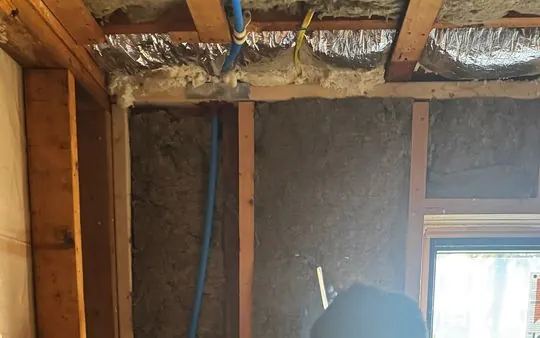 Home Care & SafetyHow to winterize a drafty house: an air-sealing and insulation checklist for Somerville, Cambridge and Greater BostonCold rooms and high heating bills? Find where a Greater Boston house really leaks (attic, basement, windows, outlets) and fix it before winter, step by step.3 min read · Keep reading →
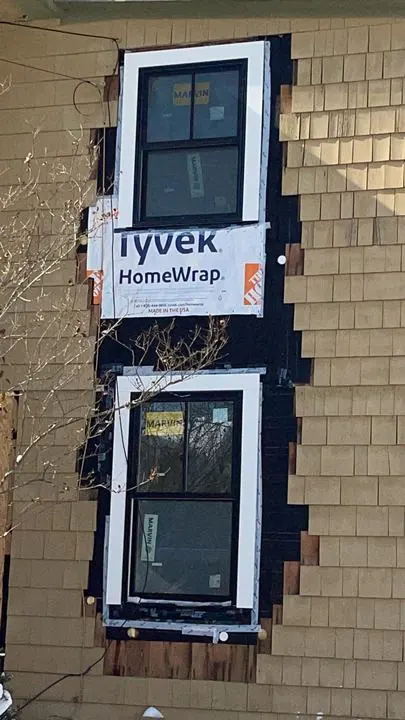 Kitchens, Baths & ExteriorsWindow Replacement in Somerville, MA: Replace, Repair or Add Storm Windows?Window replacement in Somerville, MA: when to replace, repair or add storms on older homes, lead-safe rules, historic review, Mass Save and egress sizes.4 min read · Keep reading →
 Home Care & SafetyHow to winterize an older Somerville home: a builder's fall checklistA builder's fall checklist to winterize an older Somerville home: heating tune-up, Mass Save air sealing, frozen pipes, spigots, gutters and alarms.4 min read · Keep reading →
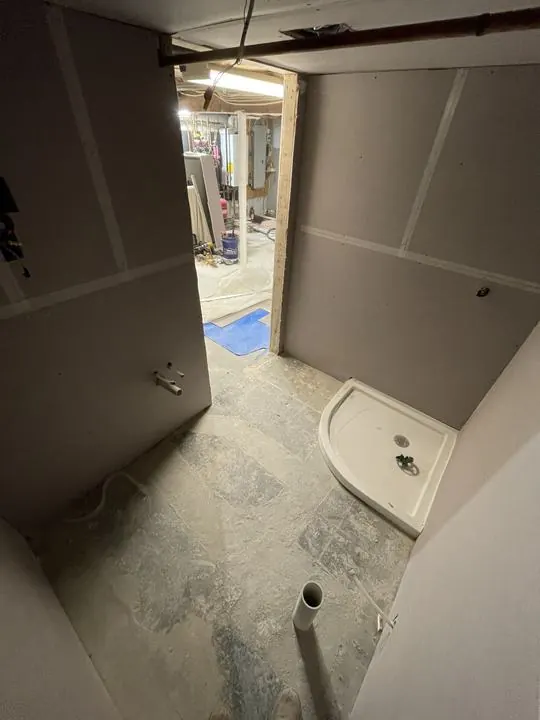 Home Care & SafetyWet basement repair in Greater Boston: causes and fixes, from cheap to expensiveWet basement repair in Greater Boston: why old Somerville homes leak, fixes from gutters to waterproofing, national costs and engineer red flags.4 min read · Keep reading →
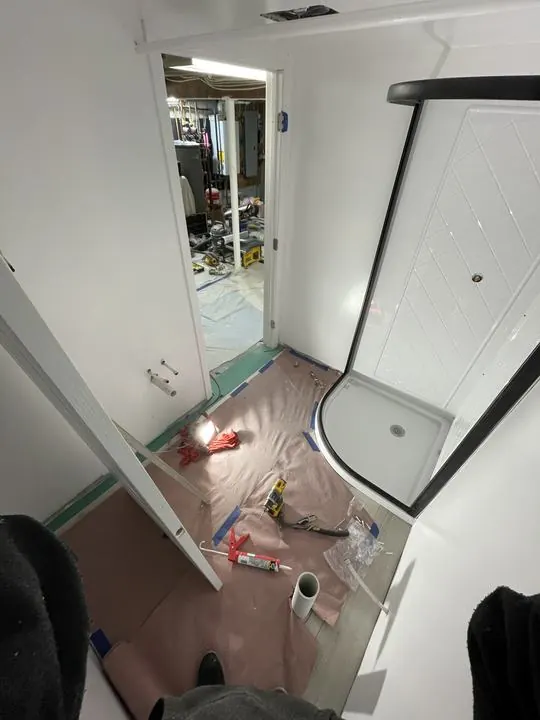 Home Care & SafetyMold in basement: what to do first, what to clean yourself and when to call a proMold in basement, what to do? Fix the moisture first, clean small areas under EPA's 10 sq ft guide, and safely finish a Somerville or Cambridge basement.4 min read · Keep reading →
 Home Care & SafetyIce dams on Somerville roofs: why they form and how to stop themWhy ice dams form on Somerville roofs, the damage they cause, and how to stop them with air sealing, insulation and Mass Save help, plus safe removal.3 min read · Keep reading →
Mateus Magno founded Magno & Co in 2020. He is a licensed Massachusetts Construction Supervisor (CS-123658), registered Home Improvement Contractor (HIC #220484) and certified Lead-Safe Renovator Supervisor who has renovated and managed over $5 million in projects across Greater Boston.
More about Mateus →