



Before you light that fireplace: the 7-point chimney check for old houses
Oil is near $6 a gallon and everyone wants a wood or pellet stove. Here is what a Somerville builder checks first in an old chimney, and what Massachusetts requires.
 Mateus Magno
Licensed Construction Supervisor · November 17, 2026 · 9 min read
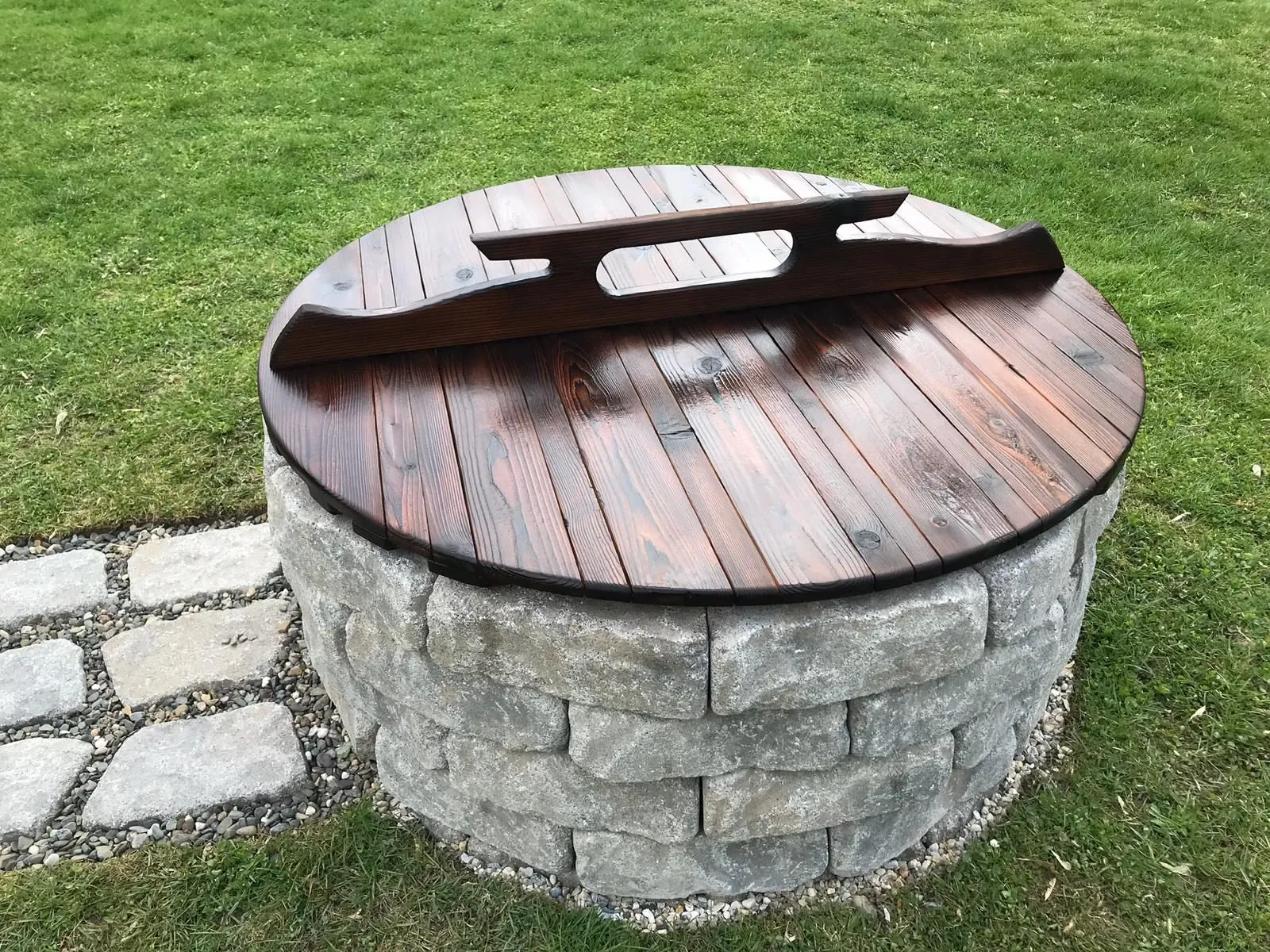
With heating oil near $6 a gallon, a lot of Greater Boston homeowners are looking at the old fireplace in the living room or shopping for a stove. I get the same question over and over: "Can I just light it?" Not until someone qualified has looked inside the flue.
Here is how I think about it, with the Massachusetts rules that apply and a 7-point checklist you can use before the first fire. It is general information, not a substitute for a certified chimney professional or your local building inspector.
Why is everyone asking about wood and pellets now?
The Boston Globe reported on October 27, 2026 that heating oil was averaging about $6.23 a gallon in Massachusetts, around 75 percent above a year earlier, with a typical tank fill running more than $1,500. The same story described one firewood seller booked through the third week of December and a Natick chimney company that said this month was its busiest since the pandemic.
TurnTo10 reported on October 1 that one tree service was about seven weeks out on firewood orders. Those are single businesses, not a statewide survey, but wood, pellets and sweeps are clearly in demand. Call now, not in January.
Wood is not a free fix. It needs a safe chimney, regular work and a permit if you add a stove. For bigger changes, see my posts on boiler replacement costs and winter gas bills.
Level 1 or Level 2: which chimney inspection do you need?
The Chimney Safety Institute of America (CSIA) describes three inspection levels, and they line up with the NFPA 211 standard. This is CSIA's summary of the levels, not the full NFPA 211 text, so confirm details with your inspector.
| Level | What it is | When it applies |
|---|---|---|
| Level 1 | Look at the readily accessible parts of the chimney and flue for soundness, blockage and creosote | Same appliance, same fuel, no problems. CSIA and NFPA recommend one every year |
| Level 2 | Level 1 plus accessible attic, crawl space and basement areas. Chimney sweeps normally add a camera scan of the flue | A new appliance, a change of fuel, a sale or transfer, or after a chimney fire or event that may have damaged the chimney |
| Level 3 | Opens up concealed parts of the chimney or building | When a Level 1 or 2 suggests a hidden hazard |
Source: CSIA news item on the three levels. It is a 2000 press release, so read it as a description of the levels rather than the current standard.
For you, this means: if you have not used the fireplace in years, or you are about to add a stove or insert, ask for a Level 2. Sweeps set their own prices, so get a written quote and ask what the inspection level includes.
The Massachusetts Department of Fire Services sheet says to have the chimney and flue inspected by a qualified mason before use, and to have the flue cleaned before each heating season.
What is wrong with old chimneys, and does a stove need its own liner?
A 100-year-old brick chimney in a Somerville triple-decker or a Medford Victorian was built for coal or a fireplace. In my experience it is often unlined, or lined with clay tile that has cracked over the decades. Cracked tile and open mortar joints are the problem. The state fire marshal's sheet says cracks in the flue or mortar joints can let flames and hot gases reach the structure.
That is why a stove is a different job from a fireplace. A stove burns hotter and longer, and sends smoke through a connector into the flue. Here is what the state and a local building department say:
- No shared flues. The fire marshal's sheet says a solid-fuel appliance cannot share a flue with another solid-fuel, oil or gas appliance. If your boiler vents into the same chimney, a stove needs a different flue.
- Follow the stove's listing. The Bedford building department's guide, based on the state building code (780 CMR chapters 13 and 14), asks for the manufacturer's specifications, floor protection and details on how the stove is vented.
- Expect a liner. A stainless liner sized to the stove is the usual way to get a safe, tight flue in an old chimney. Search summaries of older 780 CMR text also describe relining an existing chimney to meet the manufacturer's requirements, but I could not confirm the current section numbers.
If a chimney is also being used for a heating system, or if you are thinking about taking it out, read what chimney removal involves before deciding.
Creosote, chimney fires and the wood you burn
The state fire marshal's sheet says most chimney fires start with creosote, the tarry build-up from burning wood. It recommends burning only dry, well-seasoned hardwood. Its 2020 numbers: 539 fire incidents involving chimneys, fireplaces and woodstoves in Massachusetts, 41 percent of fires linked to heating systems.
Wet wood smolders, makes more smoke and builds more creosote. The EPA's archived Burn Wise guidance says to season wood at least six months and to test it with a moisture meter, aiming for under 20 percent moisture. That matters this year, because a rushed delivery of "seasoned" wood may not be dry. Ask the seller how long it dried, and split a piece and test the fresh face.
MassDEP says state rules limit visible smoke and nuisance smoke. Its guide notes that the cleanest option is a newer stove that meets EPA's 2015 standard. MassDEP's wood-burning guide has the details on smoke rules and stove standards.
Cap, crown and flashing: the leaks you can't see from the yard
The top of the chimney is where old houses fail quietly. A missing cap lets in rain and animals. A cracked crown, the sloped cement collar at the top, lets water into the brick. Flashing where the chimney meets the roof can rust or pull away. In my experience, that water shows up as stains on the ceiling near the chimney, white powder on the brick, or flaking mortar.
A leaking chimney and a blocked flue are two problems. Water shortens the life of the masonry and any tile, and it can hide a flue that has already cracked. Ask your sweep to look at the crown and cap, and have a roofer check the flashing. For roof leaks in general, see my guide to ice dams on Somerville roofs.
This is roof and masonry work. Do not climb up in November to patch a crown yourself.
What does Massachusetts require: permit, inspection and clearances?
The state's rules are short. Mass.gov's chimney and woodstove safety page and the Department of Fire Services sheet say:
- A building permit is required before installing a fireplace or a wood, pellet or coal stove.
- The local building inspector must inspect it before first use, under the state building code.
- The stove should be listed by a recognized testing laboratory.
- Keep at least 36 inches of space around the appliance, as a general rule. Your stove's listing and manual set the actual clearances to combustibles and the floor protection, and some approved heat shields allow less, so follow the manual and ask your inspector.
Cities and towns run the permits. In Somerville, I could not find a stove-specific page on the Inspectional Services or Fire Prevention websites. The Fire Prevention fee page lists oil burner and tank permits but no stove permit, and it gives a contact at FirePrevention@somervillema.gov. Call the building department before you buy a stove. Some towns also send the application to the fire department. My general guide, Do I need a permit in Massachusetts?, covers how building permits work.
Do not skip the permit and inspection. The inspection confirms that the liner, connector, floor protection and clearances match the stove's instructions.
Pellet stoves: easier to install, not simpler to vent
Pellet stoves are usually cleaner and can run on a thermostat, but they are covered by the same state permit and inspection rule. They also use a fan to push exhaust out, so they vent differently from a wood stove. Retailer guides I read say they use special pellet vent pipe, usually 3 or 4 inches across, and not the standard gas B-vent. Those are vendor sources, so the manual for your exact stove is the authority.
Two practical points. First, pellet stoves need electricity for the auger and fans, so they stop in a power outage unless you add a backup. Second, pellets are in demand too. The Globe's Stoneham resident said her bags of pellets more than doubled in price from last year, to about $12. One tree-service owner quoted by TurnTo10 said a cord of wood delivers about the same heat as 250 gallons of oil, at roughly $600 against $1,500. That is a rough comparison from one source.
The 7-point check before you light it
| # | Check | Who does it |
|---|---|---|
| 1 | Book a Level 2 inspection if you have not used the fireplace in years or you are adding a stove or insert. Level 1 if nothing has changed | CSIA-certified sweep or qualified mason |
| 2 | Have the flue cleaned before the heating season, and ask about cracks, missing tile and open joints | Sweep or mason |
| 3 | Confirm the flue is not shared with a boiler or furnace, and plan a liner for any stove | Sweep, mason, building inspector |
| 4 | Check the cap, crown and flashing for leaks, rust and cracks | Chimney mason and roofer |
| 5 | Check hearth, floor protection and clearances against the listing and the manual | Installer, then the building inspector |
| 6 | Pull the building permit and get the inspection before the first fire | Licensed installer, with the building department. Ask who pulls the permit |
| 7 | Test smoke and carbon monoxide alarms, and add what is missing | You |
On number 7, the state fire marshal's sheet says to keep working carbon monoxide alarms in any home with a fireplace or stove. State rules say to put one on every habitable level and within 10 feet of every bedroom door, and to replace each alarm when its end-of-life signal sounds or by the date on its label, often 5 to 10 years. It also says to open the damper before lighting. My smoke and CO detector guide has the Somerville details. If a CO alarm sounds, get everyone outside and call 911 from outdoors. Do not try to find the cause yourself.
Keep ashes in a metal bucket with a metal lid, set outdoors on the ground away from the building. The sheet notes that ashes can stay hot for days.
If you see flames or heavy smoke coming out of the chimney, or hear a roaring sound in the flue, get everyone outside and call 911 from outdoors. Do not try to put out a chimney fire yourself, and have the chimney inspected before you use it again.
Want a second set of eyes before the first fire?
A stove can be a smart backup in an old house, but only on a chimney that has been looked at. Do the cheap, fast things first: a sweep, working alarms and dry wood. Heat also leaks out of old houses everywhere else, so my fall checklist for older Somerville homes and my ebook Winterize Your Old New England Home cover the rest of the house.
If you want a builder to walk the house with you, I am happy to do that. I can look at the chimney exterior, the hearth and the clearances, tell you what needs a certified sweep, a mason or a roofer, and help you sort out the permit steps. Book a free walkthrough and tell me what you are planning.
Frequently asked questions
Do I need a permit to install a wood stove or pellet stove in Massachusetts?
Yes. Mass.gov and the Department of Fire Services say a building permit is required before installing a fireplace or a wood, pellet or coal stove, and the local building inspector must inspect it before it is used. Each city sets its own process and fees, so call your building department. I could not find a stove-specific page for Somerville.
Do I need a chimney liner for a wood stove in an old house?
Usually, yes. Old brick chimneys are often unlined or have cracked clay tile, and a stove burns hotter than a fireplace. The state fire marshal says cracks in the flue or mortar joints can let flames and hot gases reach the structure, and a solid-fuel stove cannot share a flue with another appliance. A certified sweep or mason should inspect the flue and tell you what the stove manufacturer and your building inspector require.
What is the difference between a Level 1 and Level 2 chimney inspection?
Level 1 is a check of the readily accessible parts of the chimney and flue, recommended every year when nothing has changed. Level 2 adds accessible attic, crawl space and basement areas, and usually a camera scan of the flue. CSIA describes Level 2 as the one needed when you add an appliance or change the fuel, when a property is sold or transferred, or after a chimney fire or event that may have damaged the chimney.
How dry does firewood need to be, and is it hard to find this year?
The EPA's archived Burn Wise guidance says to season wood at least six months and aim for under 20 percent moisture, tested with a moisture meter. On supply, the Boston Globe (October 27, 2026) reported one supplier booked through the third week of December, and TurnTo10 (October 1) quoted a tree service about seven weeks out. Those are individual businesses, so call a few local sellers.
How close can a wood stove be to a wall?
The state fire marshal's sheet says to allow at least 36 inches of space around the appliance as a general rule. The real answer depends on the stove's listing and manual, the wall material and any approved heat shield, so use the manual and ask the building inspector before you install.
Do I need carbon monoxide alarms if I use a fireplace or stove?
Yes. The state fire marshal says to keep working carbon monoxide alarms in any home with a fireplace or stove, on every habitable level and within 10 feet of every bedroom door, and to replace them at the end of their listed life, often 5 to 10 years. If one sounds, get everyone outside and call 911 from outdoors.
See everything I do, how I price work and the towns I work in.
Read this next
 Home Care & SafetySmoke and carbon monoxide detector rules for Somerville homes (selling or renovating)Selling or renovating in Somerville? What Massachusetts requires for smoke and CO alarms, where they go, and how to pass the Fire Department inspection.4 min read · Keep reading →
 Home Care & SafetyHow to winterize an older Somerville home: a builder's fall checklistA builder's fall checklist to winterize an older Somerville home: heating tune-up, Mass Save air sealing, frozen pipes, spigots, gutters and alarms.4 min read · Keep reading →
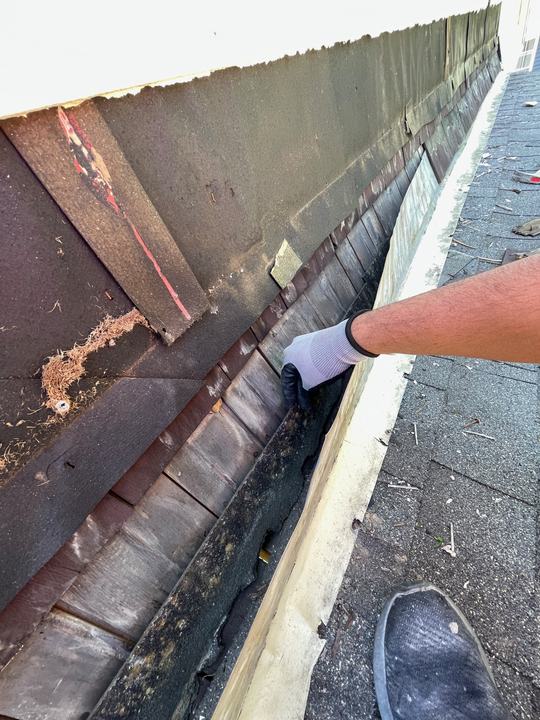 Kitchens, Baths & ExteriorsChimney removal cost: what Somerville and Cambridge homeowners should knowChimney removal cost for Somerville and Cambridge old homes: partial vs full removal, permits, roof patching, asbestos and lead, and what drives price.4 min read · Keep reading →
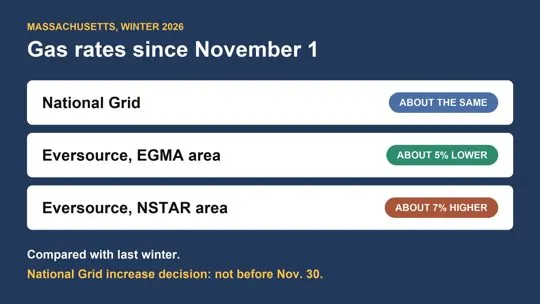 Home Care & SafetyMassachusetts winter gas bills: what changed November 1, what could change January 1 and what to fix firstWinter gas rates started Nov. 1 in Massachusetts. What changed for National Grid and Eversource, the January increase on the table and what to fix first.4 min read · Keep reading →
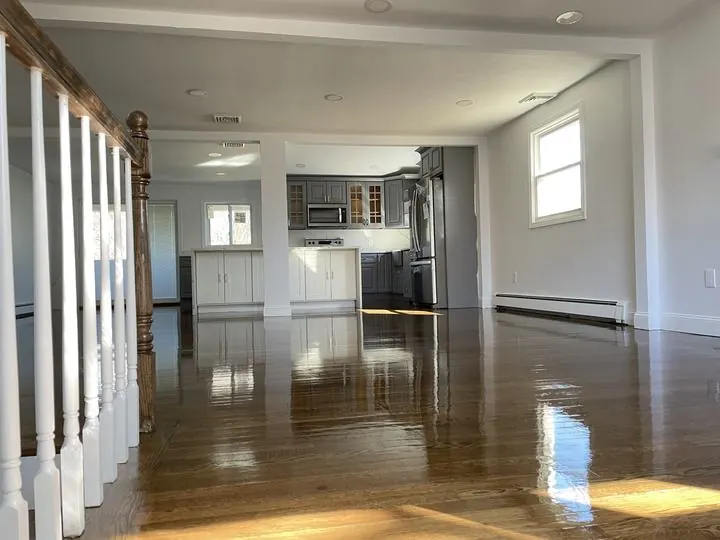 Costs & BudgetsBoiler replacement cost in Massachusetts: oil, gas or heat pump in 2026?Boiler replacement cost in Massachusetts for 2026: no Mass Save rebates for most gas or oil boilers, heat pump options, and permits for Somerville homes.4 min read · Keep reading →
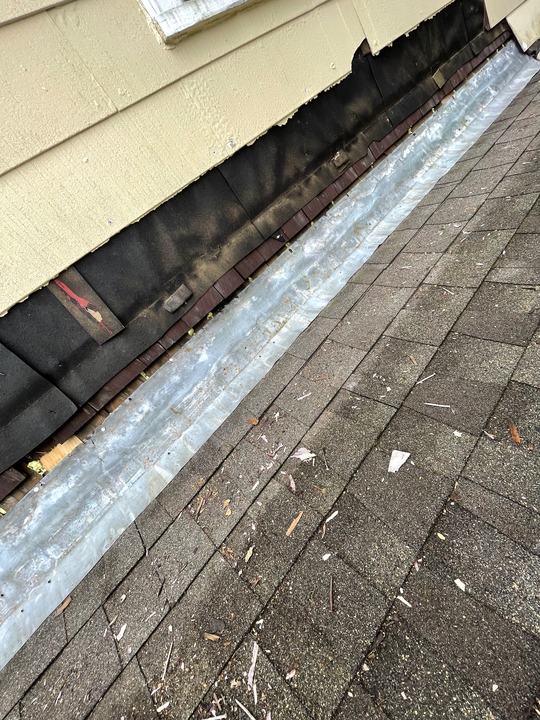 Home Care & SafetyIce dams on Somerville roofs: why they form and how to stop themWhy ice dams form on Somerville roofs, the damage they cause, and how to stop them with air sealing, insulation and Mass Save help, plus safe removal.3 min read · Keep reading →
Mateus Magno founded Magno & Co in 2020. He is a licensed Massachusetts Construction Supervisor (CS-123658), registered Home Improvement Contractor (HIC #220484) and certified Lead-Safe Renovator Supervisor who has renovated and managed over $5 million in projects across Greater Boston.
More about Mateus →