










Buying an old house that needs work: a Somerville, Cambridge and Medford checklist
Buying an old house that needs work in Somerville, Cambridge or Medford? My builder's checklist: what to inspect, lead and permit lookups, how to budget.
 Mateus Magno
Licensed Construction Supervisor · October 28, 2026 · 4 min read
When buying an old house that needs work, look hardest at the expensive, hidden items: foundation, roof, wiring, plumbing, porches, lead paint and asbestos. Get a builder's walkthrough during your inspection window, use the 10-day lead inspection opportunity on pre-1978 homes, and look up the permit history before you sign.
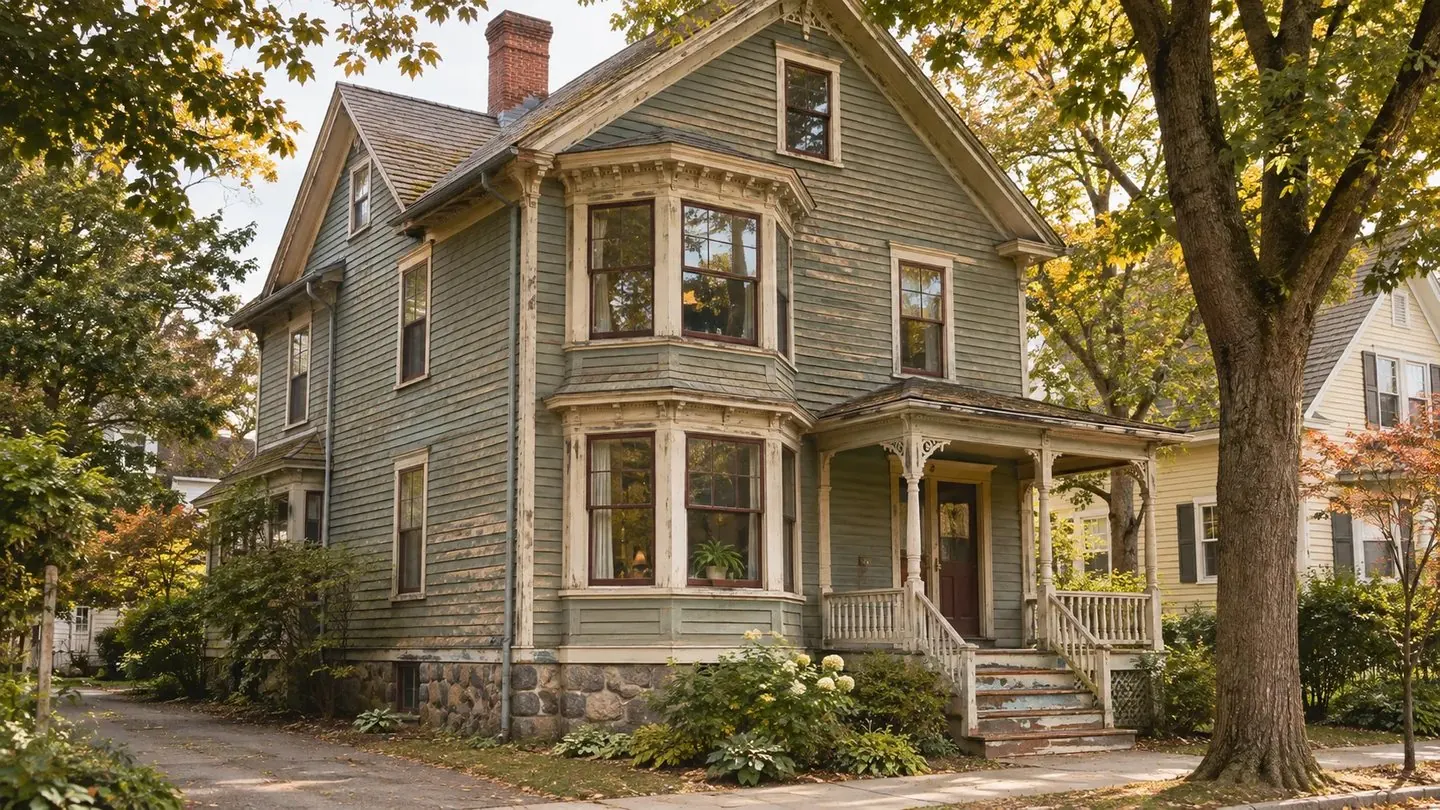
Buying an old house that needs work in Somerville, Cambridge or Medford can be a smart move, if you know what you are actually buying. Many houses here date from 1900 to 1930, and the cosmetic stuff is rarely what blows a budget. It is the structure, the systems and the hazards behind the plaster.
Here is the checklist I use when a buyer asks me to walk a house before closing.
Buying an old house that needs work: start with the expensive items
Paint, floors and kitchens are easy to price. These are not, so I look at them first:
- Foundation. Fieldstone and brick foundations are common. I look for bowing walls, active water, crumbling mortar and past patch jobs.
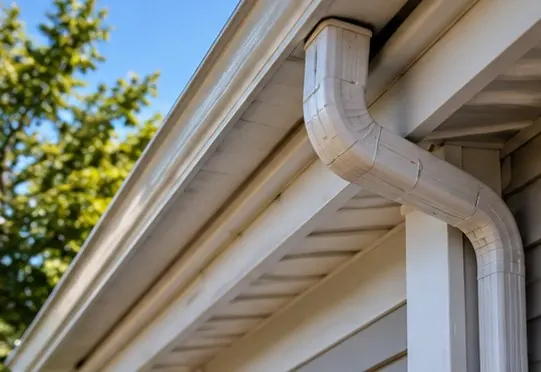
- Roof and chimneys. Age, layers of shingles, flashing at the chimney and any sagging ridge lines. More in my roof repair or replace guide.
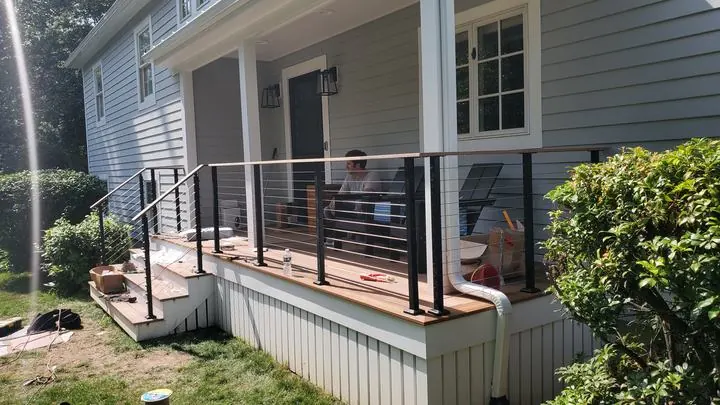
- Porches and back stairs. On triple-deckers they are often the second way out, and many are worn out.
- Framing. Notched joists under old bathrooms and kitchens, and settled floors.
Wiring, plumbing and heat
- Knob-and-tube wiring. Look in the basement and attic for ceramic knobs and tubes. Mass Save notes knob-and-tube is often considered a fire hazard, especially with insulation blown in around it, so it usually has to be dealt with before you insulate.
- Galvanized supply pipes. In my experience old galvanized steel pipes rust from the inside, which shows up as weak water pressure at upper floors. Plan for replacement.
- Old heating systems. Boilers, oil tanks and pipe insulation all deserve a close look, which leads to the next point.
Lead paint and asbestos
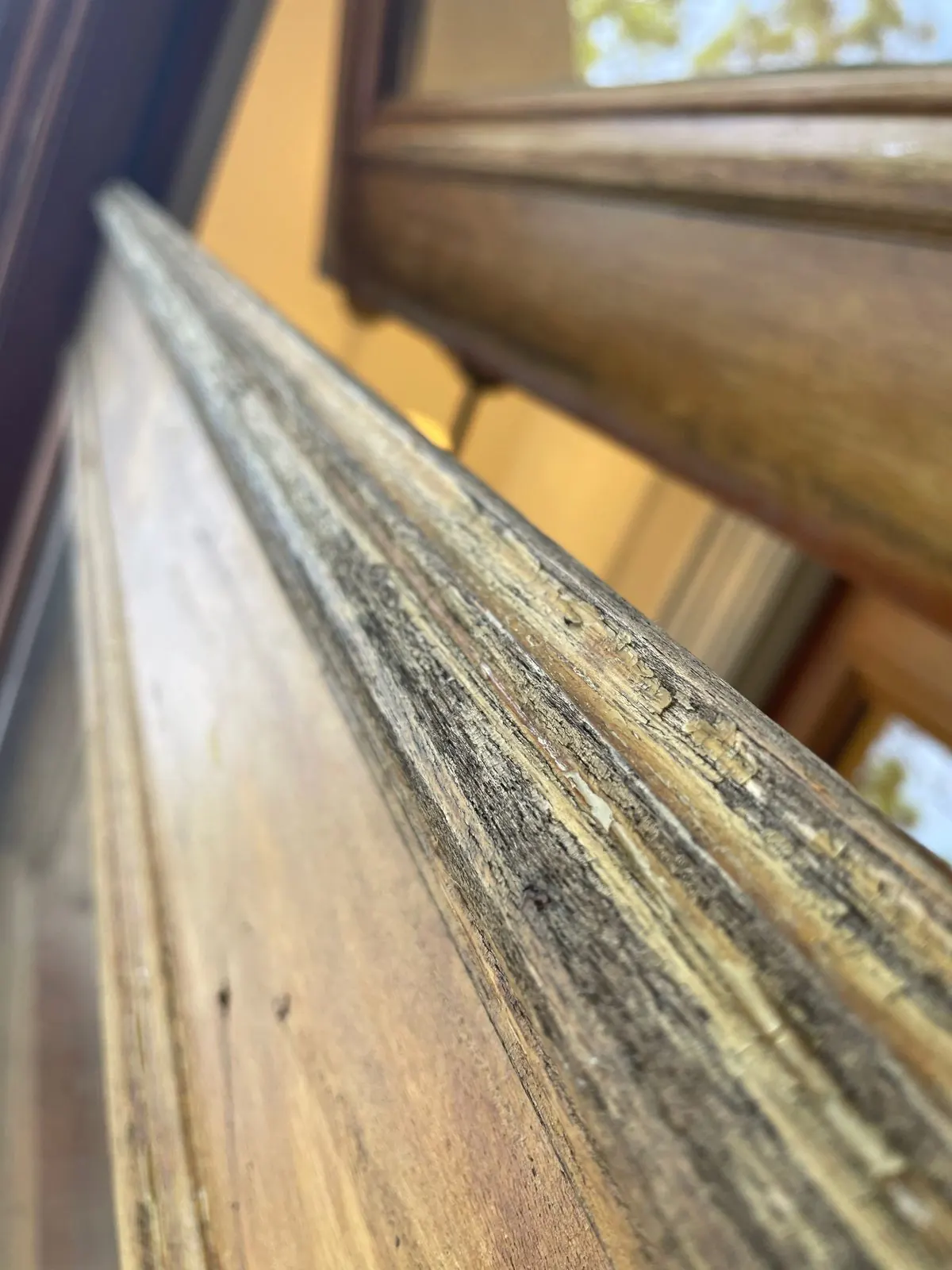
Almost every house in these neighborhoods was built before 1978, so lead paint is a given until tested.
- Sellers and agents must give you the Property Transfer Lead Paint Notification before you sign a purchase and sale agreement, plus any lead inspection reports they have.
- Under federal rules, sellers must give buyers a 10-day period to do a lead inspection or risk assessment, unless you agree in writing to change or waive it.
- If a child under 6 will live in the home, the Lead Law requires the owner to delead or bring it into interim control within 90 days of taking title. That can be a big line item.
Asbestos is the other hidden cost. MassDEP's asbestos FAQ says buildings built before 1980 are very likely to contain some asbestos materials, such as boiler and pipe insulation and vinyl-asbestos floor tile. Removing it during a renovation can mean licensed abatement and notification time. My lead paint guide covers the renovation side.
Insulation and comfort
Many 1900–1930 houses have empty wall cavities and leaky attics. That is fixable and often heavily subsidized, but it should be in your plan from day one. I explain the options in my guide to insulating old Somerville and Cambridge homes.
Look up the permit history before closing
A house's permit history tells you what was done legally and what was not. Somerville publishes Applications for Permits and Licenses on its open data portal, covering more than 90,000 applications since 2014 with addresses, project descriptions and estimated costs. You can search it by street address.
- A new kitchen with no permit on record is a question for the seller.
- Recent roof, electrical or plumbing permits are a good sign.
- Open, never-closed permits can follow the property and slow future work.
For context on what neighbors are building, see my analysis of Somerville's building permits over the last 12 months. For older records, ask Somerville ISD or the building department in Cambridge or Medford.
Get a contractor walkthrough, then budget honestly
A home inspector tells you what is wrong. A builder tells you what it takes to fix it, in what order, and roughly what it involves. I like to walk the house during the inspection period with the inspection report in hand.
- Separate must-do items (safety, water, structure, lead for young kids) from wants.
- Price the must-do list first and include permits and lead-safe work.
- Carry a real contingency line. Old houses always hide something behind the plaster.
- Phase the wants over time if the budget is tight.
Every house is different, so I don't guess numbers from listing photos. After a walkthrough I send a written line-item budget you can use in your offer or negotiation.
Once you live there, check whether you qualify for the Somerville residential exemption, which saved up to $4,578 in fiscal 2026.
Need a hand?
If you are under agreement, or about to be, on an older house in Somerville, Cambridge or Medford, book a free walkthrough. I will look at the house through a builder's eyes and send a written line-item budget, usually within 48 hours. I work in Somerville, Cambridge and across Greater Boston.
Frequently asked questions
What should I inspect when buying an old house?
Focus on the costly, hidden items: foundation, roof and chimneys, porches, framing, wiring (especially knob-and-tube), plumbing, heating, lead paint and asbestos. Cosmetic items are easy to price later.
Do I get a lead paint inspection period when buying a house in Massachusetts?
For homes built before 1978, federal rules give buyers a 10-day opportunity to do a lead inspection or risk assessment, which the parties can change or waive in writing. Sellers must also give the Massachusetts Property Transfer Lead Paint Notification before the purchase and sale agreement.
How do I check the permit history of a house in Somerville?
Somerville publishes its permit and license applications since 2014 on data.somervillema.gov, searchable by address. For older records, contact the Inspectional Services Department.
Should I get a contractor to look at a house before buying?
Yes, if the house needs work. A home inspector finds problems, while a contractor walkthrough helps you understand the scope, order and budget to fix them before you commit.
Want someone on your side? See what I do as an owner's representative and how I price work.
Mateus Magno founded Magno & Co in 2020. He is a licensed Massachusetts Construction Supervisor (CS-123658), registered Home Improvement Contractor (HIC #220484) and certified Lead-Safe Renovator Supervisor who has renovated and managed over $5 million in projects across Greater Boston.
More about Mateus →