How to winterize a drafty house: an air-sealing and insulation checklist for Somerville, Cambridge and Greater Boston
Cold rooms and high heating bills? Find where a Greater Boston house really leaks (attic, basement, windows, outlets) and fix it before winter, step by step.
 Mateus Magno
Licensed Construction Supervisor · October 22, 2026 · 3 min read
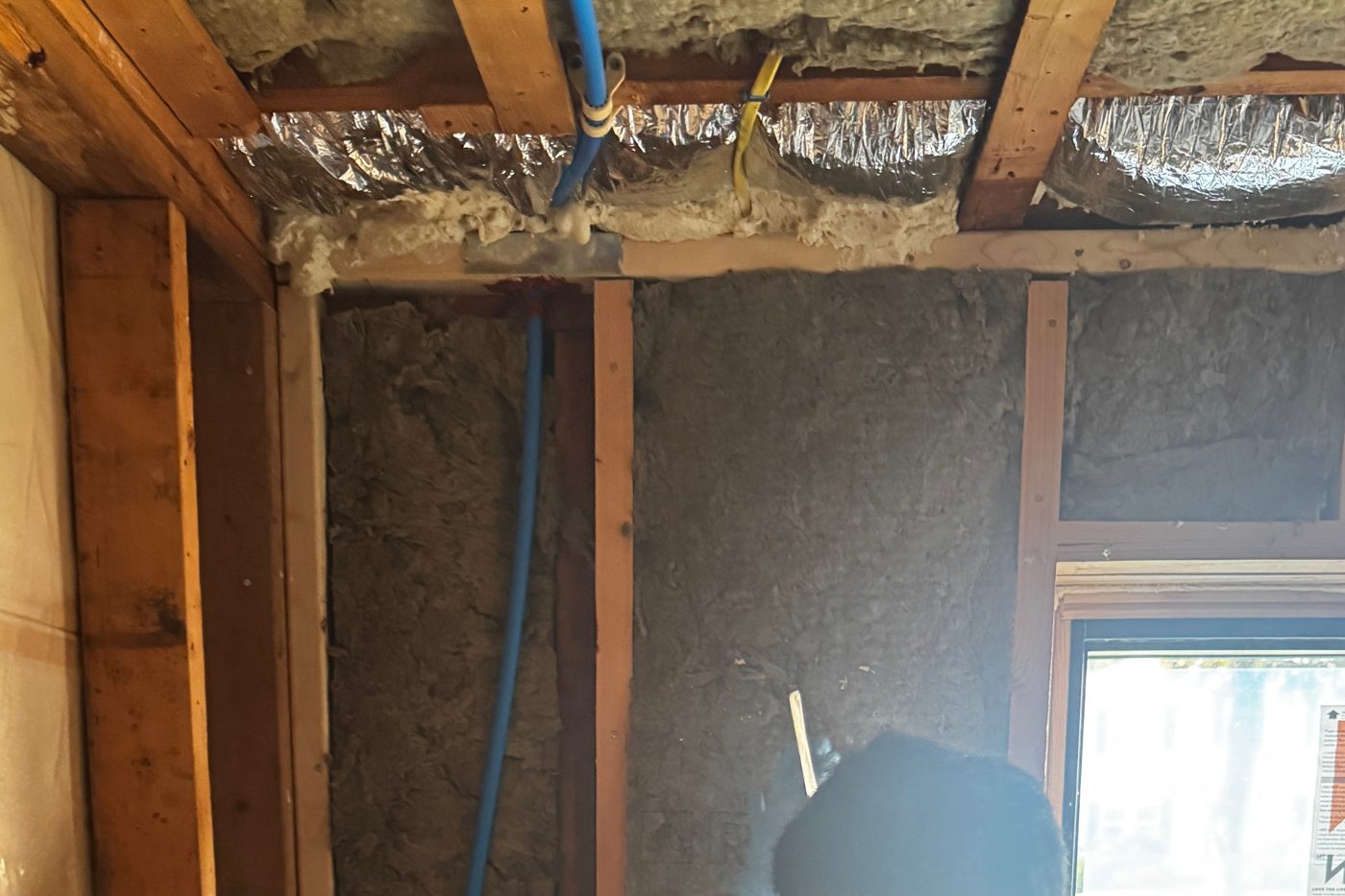
Most drafts in an older Greater Boston house don't come from the windows. They come from the attic floor and the basement rim joist, which drive the 'stack effect'. Seal those first, then the attic hatch, plumbing and chimney gaps, and outlets on outside walls. Then weatherstrip doors and windows, and finally add insulation. A Mass Save Home Energy Assessment includes a blower-door test that finds the leaks for you.
"Why is my house so drafty?" If you live in an older home in Somerville, Cambridge or anywhere around Greater Boston, you've probably asked that every January. The surprising answer: the biggest leaks usually aren't the windows.
Why old houses feel drafty: the stack effect
Warm air rises. In winter it pushes out through gaps at the top of your house (the attic floor, top-floor light fixtures, chimney chases), and cold air gets pulled in at the bottom (the basement, rim joist, bulkhead door). The taller the house, the stronger the pull. That's why Somerville triple-deckers and Cambridge three-story homes can feel like wind tunnels.
So the rule is: seal the top and bottom first, then the middle.
The winterize checklist, in order
1. Attic floor (the biggest win)
- Seal gaps around the chimney (with fire-rated material), plumbing vents and wires.
- Seal and cover recessed lights with rated covers.
- Weatherstrip and insulate the attic hatch or pull-down stairs.
- Seal the tops of interior walls and open balloon-framed wall cavities.
2. Basement and rim joist
- Seal and insulate the rim joist, ideally with closed-cell foam. See spray foam safety.
- Seal gaps where pipes, wires and the dryer vent go through the foundation.
- Weatherstrip the bulkhead and basement doors.
3. Living spaces
- Add foam gaskets behind outlet and switch covers on outside walls.
- Weatherstrip doors and add door sweeps.
- Seal window trim with caulk, and use removable rope caulk or film on old sashes you don't open.
- Close the fireplace damper when not in use, or use a chimney balloon.
4. Then insulate
Once air sealing is done, bring the attic to R-49–R-60 and fill empty walls. See how much attic insulation you need and dense-pack for old walls.
Don't forget the rest of winter prep
- Pipes: insulate pipes on outside walls and in the basement. Shut off and drain outdoor faucets. See how to prevent frozen pipes.
- Roof and ice dams: attic air sealing is the real fix for ice dams. See my ice dam guide.
- Heating system: service your boiler or furnace, change filters, and test your smoke and CO alarms.
- Older home overall: my full winterizing checklist for older Somerville homes.
DIY or hire it out?
Caulk, weatherstripping, outlet gaskets and door sweeps are easy weekend projects. Attic air sealing, rim joist foam and wall insulation are worth hiring out. They're dusty, cramped, and need the right materials around chimneys and wiring. With Mass Save's 75% rebate on approved air sealing and insulation, the pro version often costs less than people expect. The median installed insulation job near Somerville on my job map was about $4,700 before rebates. See prices by town.
Want a warmer house this winter?
Magno & Co air seals and insulates homes in Somerville, Cambridge and across Greater Boston, from attic floors and rim joists to walls. Book a free walkthrough and I'll show you where your house is really leaking.
Frequently asked questions
How do I winterize a drafty old house?
Seal the top and bottom of the house first: the attic floor and the basement rim joist. Then seal the attic hatch, plumbing and chimney gaps and outlets on outside walls. Weatherstrip doors and windows, and finally add insulation to the attic and walls.
Where do most drafts come from in an older home?
Most air leakage comes from the attic floor and the basement, not the windows. Warm air escapes at the top and pulls cold air in at the bottom. This is called the stack effect.
How can I find air leaks in my house?
On a windy day, move a lit incense stick around outlets, baseboards, window trim and the attic hatch and watch for the smoke to move. A blower-door test, included in a Mass Save Home Energy Assessment, finds leaks more precisely.
Does Mass Save pay for air sealing?
Yes. Air sealing is part of Mass Save's insulation offer. Most customers get 75% off approved air sealing and insulation, and income-eligible households can get it at no cost.
Mateus Magno is the founder of Magno & Co — a licensed Massachusetts Construction Supervisor (CS-123658), registered Home Improvement Contractor (HIC #220484) and certified Lead-Safe Renovator Supervisor who has renovated and managed over $3 million in projects across Greater Boston.
More about Mateus →