Smoke and carbon monoxide detector rules for Somerville homes (selling or renovating)
Selling or renovating in Somerville? What Massachusetts requires for smoke and CO alarms, where they go, and how to pass the Fire Department inspection.
 Mateus Magno
Licensed Construction Supervisor · October 20, 2026 · 4 min read
To sell a home in Somerville you need a smoke and carbon monoxide Certificate of Compliance from the Somerville Fire Department, requested through the City's Citizenserve portal at least two weeks before closing. In most older homes that means a working photoelectric smoke alarm on every level, at the base of stairs and outside sleeping areas, plus CO alarms on every level within 10 feet of each bedroom door.
Almost every house sale I see in Somerville hits the same small hurdle a week or two before closing: the smoke and CO inspection. It's simple once you know the rules, and painful if you find out the day the inspector shows up. Here's how it works, in plain English.
The law in one paragraph
Under M.G.L. c.148 §26F, the seller must equip a residential building with approved smoke detectors when it's sold or transferred, and the local fire chief enforces it. Section 26F½ and the state fire code (527 CMR) add the carbon monoxide side. After a passing inspection, the fire department issues a Certificate of Compliance, which your closing attorney will almost certainly ask for.
CO alarms aren't just a sale-time thing, either. Since March 31, 2006, every Massachusetts home with fuel-burning equipment (gas stove, gas dryer, furnace, boiler, fireplace) or an attached enclosed garage has needed them, according to the Department of Fire Services guide.
Where detectors go in an older home
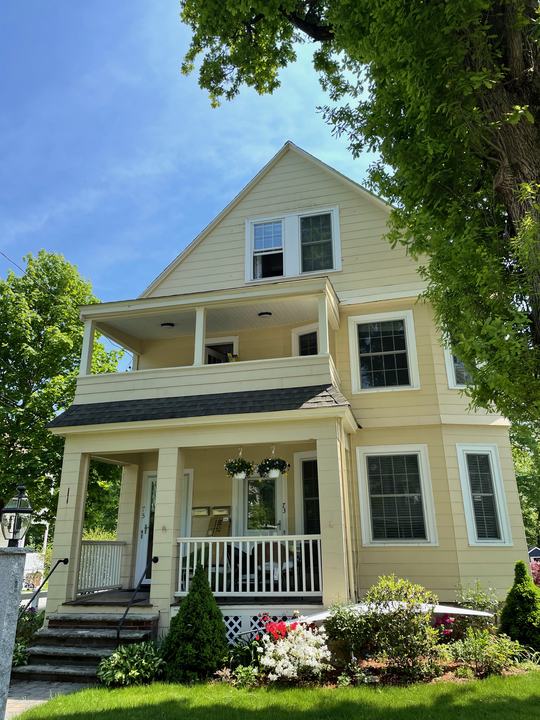
Most Somerville housing, from the triple-deckers on Winter Hill to the two-families around Ball Square, was built long before the State Building Code started on January 1, 1975. For a typical one- or two-family built before then, the DFS guide calls for:
- Smoke alarms on every habitable level and in the basement.
- On the ceiling at the base of each stairway leading up (not inside the stairway itself).
- On the ceiling outside each separate sleeping area.
- In a two-family, smoke alarms in shared common areas like the front hall.
- CO alarms on every level, including habitable basements and attics, and within 10 feet of each bedroom door.
Combination smoke/CO units are allowed, but they must have both a tone and a spoken voice alarm so you can tell which emergency it is.
Photoelectric, 10-year batteries and the age rule
This is where most failed inspections come from. In those pre-1975 homes, the required smoke alarms must be photoelectric (they can be combined with ionization or CO). And no alarm can be more than 10 years old or past the maker's recommended life.
When you replace a battery-powered alarm, the new one must be photoelectric, have a hush button, and run on a 10-year sealed, non-replaceable battery. To check age, pop the alarm off its bracket and read the date on the back. Per DFS, no date means it counts as over 10 years old.
How the Somerville inspection works
Somerville's Fire Prevention Bureau handles these at 1 Franey Road. Its published home-sale policy says:
- Apply and pay online through the City's Citizenserve portal. They don't book these over the phone or in person.
- Request at least two weeks before closing. Slots go first come, first served.
- Test everything beforehand. The inspector won't install batteries or detectors, and a missing or dead unit is an automatic fail.
- Provide access to every unit and area. In a multi-family, a locked apartment means a failed inspection.
- The certificate is good for 60 days, so don't book too early either.
The fee depends on how many units the building has. The schedule posted on the Bureau's page, effective November 1, 2026, lists the home-sale 26F inspection at $75 for a single-family, $125 for a two-family and $200 for a 3–6 family. Check the page before you apply, since fees change.
What changes when you renovate
Here's the part sellers miss. Per DFS, if a house was renovated, added onto or modified after 1975, the date of that building permit sets which building code smoke alarm rules apply. Newer-code work generally means hard-wired, interconnected alarms with battery backup, alarms inside every bedroom, and all photoelectric for permits from 2011 on.
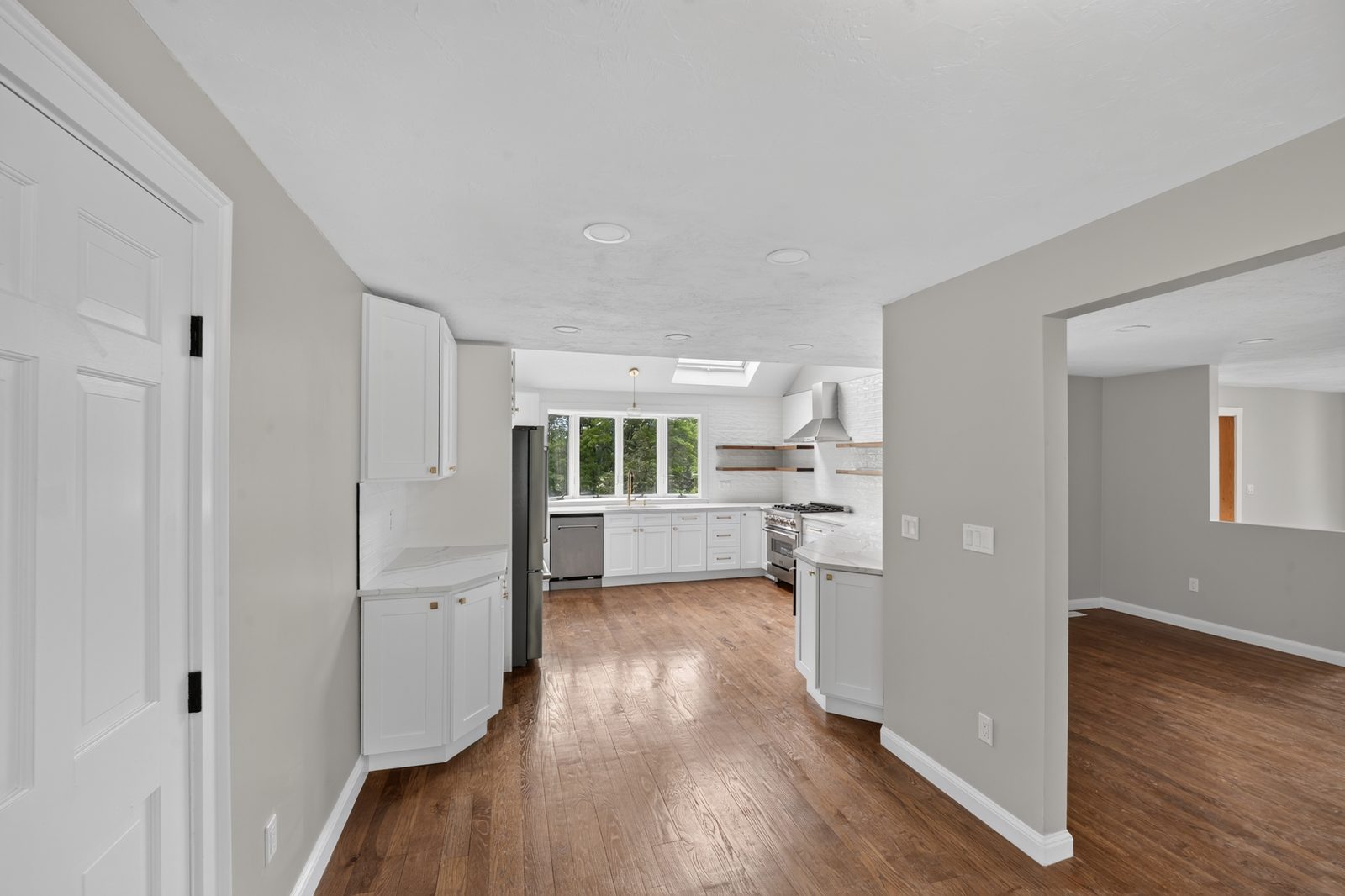
So if you gut a kitchen, finish a basement or add a bedroom in your Spring Hill or Union Square house with a permit, plan on new wired, interconnected alarms. Exactly how much of the house has to be upgraded depends on the scope of the work, and the building and fire inspectors make that call. I always include it in the electrical plan from day one. It's far cheaper to fish wires while walls are open. My Somerville building permit guide covers how that permit process works.
One more point from DFS: homes built before 1975 may use wirelessly interconnected alarms. For homes built or modified after 1975, wireless interconnection is fine but the alarms still have to be hard-wired for power.
Need a hand?
If you're selling, renovating, or just not sure your alarms would pass, I'm happy to walk the house with you and put together a simple plan, wiring and all. Book a walkthrough and we'll get it sorted well before your closing date.
Frequently asked questions
Do I need a smoke detector inspection to sell a house in Somerville?
Yes. Massachusetts law requires a smoke and CO Certificate of Compliance from the local fire department when a home is sold. In Somerville you apply through the Fire Prevention Bureau's Citizenserve portal at least two weeks before closing.
Do smoke detectors have to be photoelectric in Massachusetts?
In typical one- and two-family homes built before 1975, the required smoke alarms must be photoelectric, though they can be combined with ionization or CO. New-construction rules for permits from 2011 on also call for all photoelectric alarms.
Where do carbon monoxide detectors go in Massachusetts?
On every level of the home, including habitable basements and attics, and within 10 feet of each bedroom door. They're required in any home with fuel-burning equipment or an attached enclosed garage.
How long is a Somerville smoke and CO certificate good for?
Somerville's Fire Prevention Bureau says certificates are valid for 60 days from the issue date, so schedule the inspection close to your closing but at least two weeks ahead.
Mateus Magno is the founder of Magno & Co — a licensed Massachusetts Construction Supervisor (CS-123658), registered Home Improvement Contractor (HIC #220484) and certified Lead-Safe Renovator Supervisor who has renovated and managed over $3 million in projects across Greater Boston.
More about Mateus →