Blown-in vs fiberglass vs spray foam: which insulation is right for your Greater Boston home?
Cellulose, fiberglass, mineral wool and spray foam compared: R-value, cost and where each works best in Somerville, Cambridge and Boston homes.
 Mateus Magno
Licensed Construction Supervisor · October 22, 2026 · 3 min read
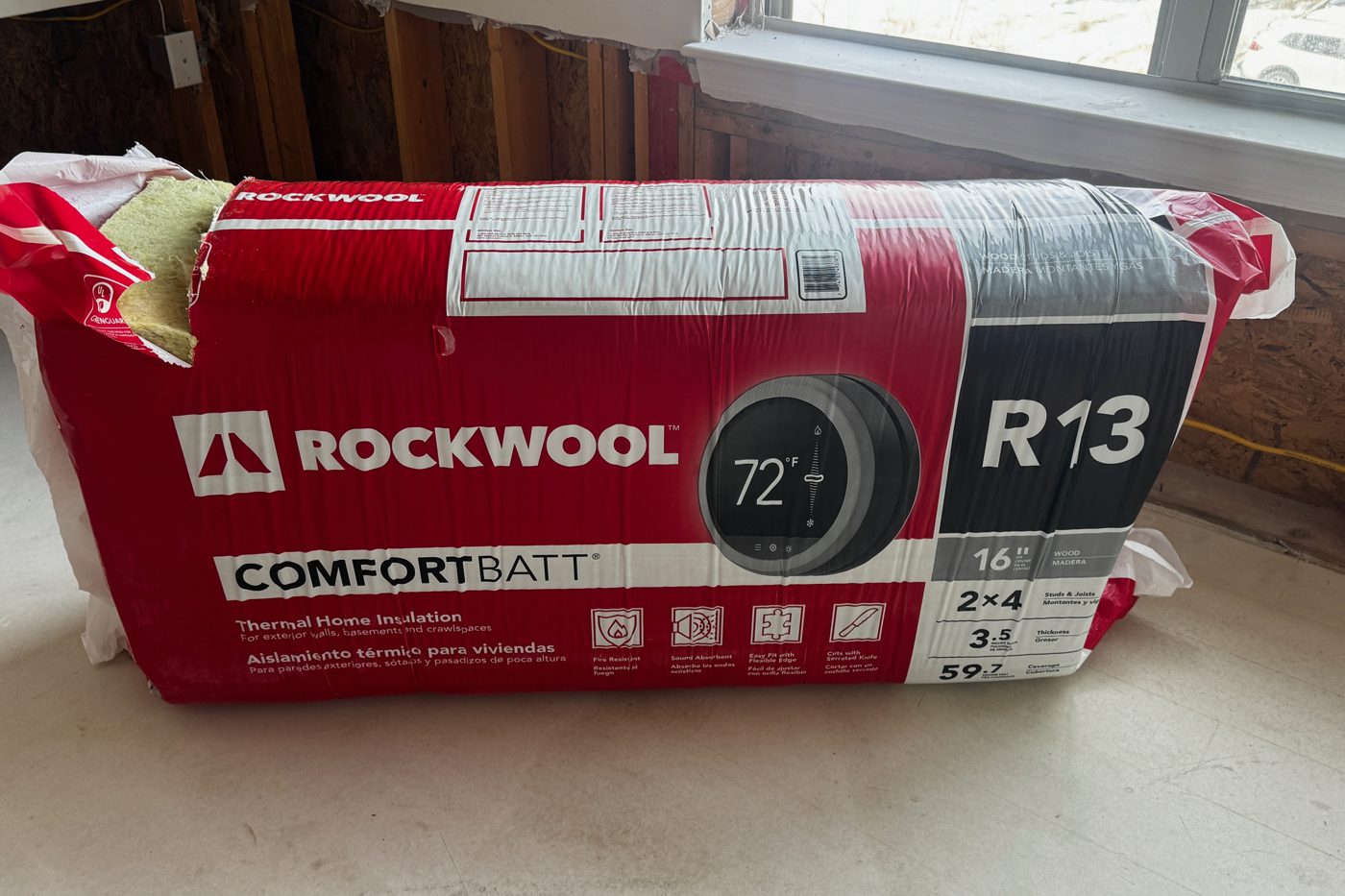
Blown-in cellulose is best for open attics and old closed walls. Fiberglass and mineral wool batts work best in open walls during a renovation. Open-cell spray foam suits roof lines and interior sound control. Closed-cell spray foam suits rim joists, basements and anywhere you need the most R-value per inch plus a vapor and air barrier. In most Greater Boston homes, the best result is a mix, with air sealing first.
When homeowners in Somerville, Cambridge and around Greater Boston ask me "what's the best insulation?", my honest answer is: it depends on where it's going. Each type has a job it does best. Here's a plain-English comparison, using the materials I see on job sites every week.
Quick comparison
| Type | R-value per inch (approx.) | Air sealing | Best for | Relative cost |
|---|---|---|---|---|
| Blown-in cellulose | 3.2–3.8 | Good when dense-packed | Open attic floors, closed walls in old homes, low-slope roofs | $ |
| Blown-in fiberglass | 2.2–2.7 | Low | Open attic floors | $ |
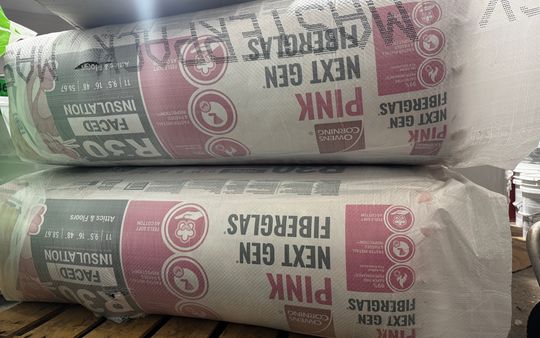
| Fiberglass batts | 2.9–3.8 | Low | Open walls and floors during renovation | $ |
| Mineral wool batts | 3.0–4.2 | Low | Open walls, sound control, fire resistance | $$ |
| Open-cell spray foam | 3.5–3.8 | Excellent | Roof lines, interior walls for sound | $$ |
| Closed-cell spray foam | 6.0–7.0 | Excellent + vapor retarder | Rim joists, basements, crawl spaces, tight roof cavities | $$$ |
R-values vary by product and density. Always check the label and the installer's certificate.
Blown-in insulation (cellulose or fiberglass)
Blown-in insulation is loose fill sprayed from a machine through a long hose. In an open attic it's usually the most cost-effective way to reach R-49 or more. Cellulose (recycled paper treated for fire resistance) is heavier and slows air movement better. Packed tightly (dense-pack), it's the go-to for closed walls in old Somerville and Cambridge houses. Blown fiberglass is lighter and won't absorb water, but needs more depth for the same R-value.
Good for: attic floors, old walls, flat-roof cavities. Watch out for: air sealing must happen first, and never blow over live knob-and-tube wiring.
Fiberglass batts
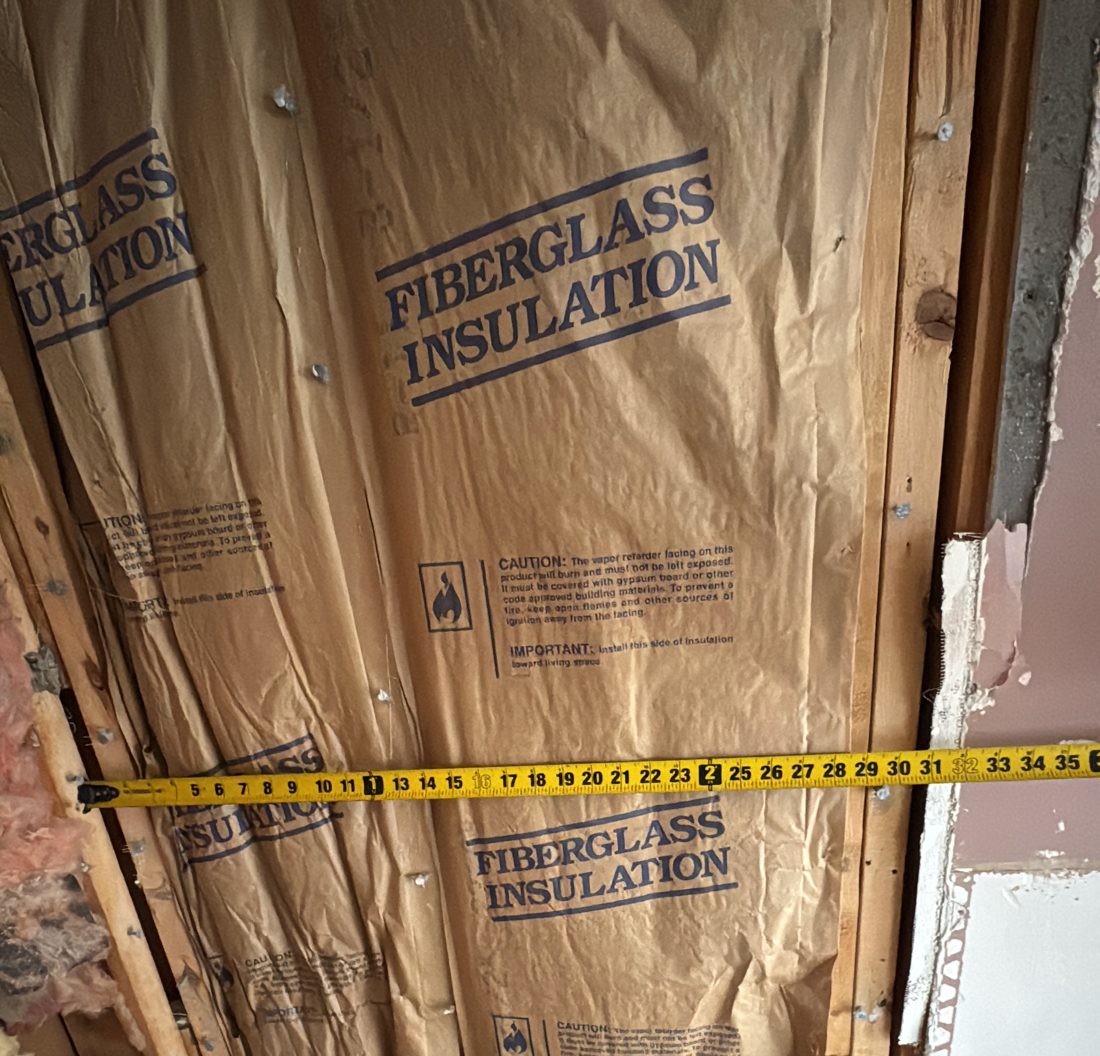
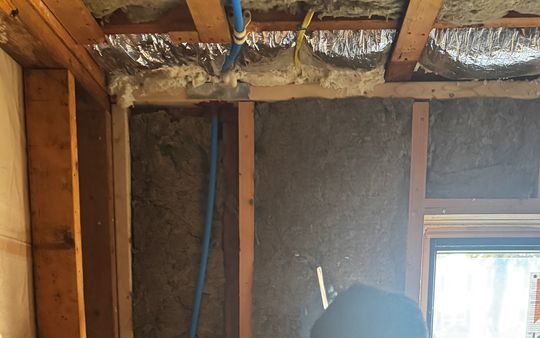
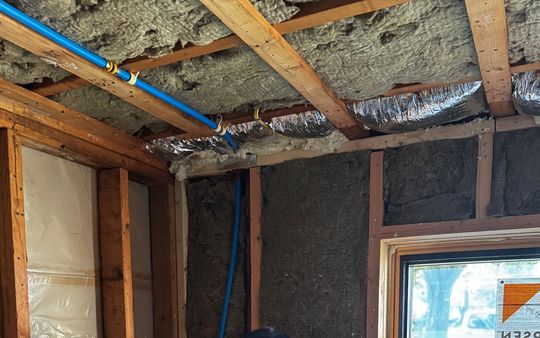
Batts are pre-cut blankets that fit between studs and joists. They're the cheapest choice when walls are open during a gut renovation or addition. The catch: batts only perform if they're cut carefully around wires, pipes and outlets with no gaps or compression. A sloppy batt job can lose a big part of its rated R-value. Typical sizes: R-13 or R-15 for 2x4 walls, R-19 to R-21 for 2x6 walls, and R-30 to R-38 for ceilings.
Mineral wool (rock wool)
Mineral wool batts are denser and stiffer than fiberglass. They friction-fit well, block sound better (great between floors in a two-family) and resist fire very well. They cost a bit more than fiberglass.
Spray foam: open-cell vs closed-cell
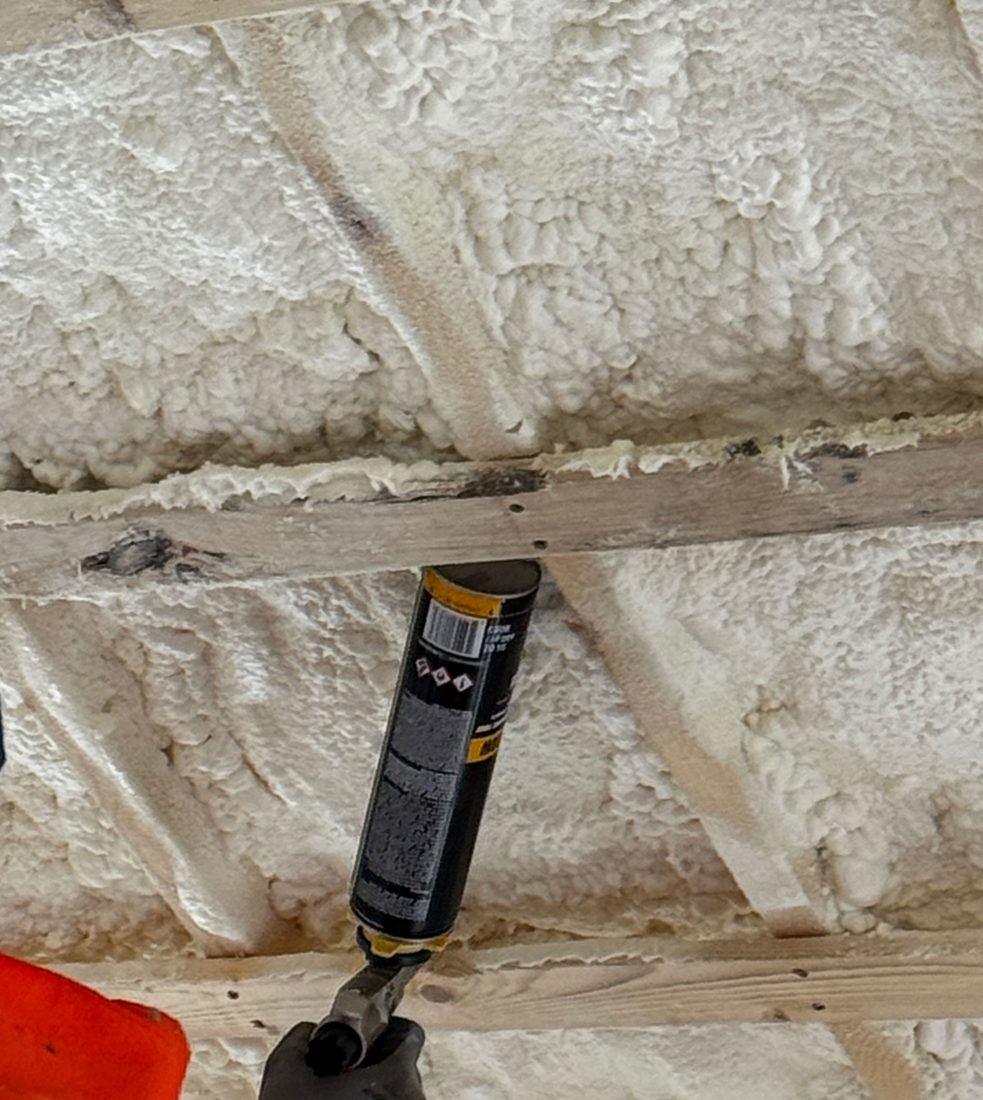
Spray foam is mixed on site from two liquids and expands to fill every gap, so it insulates and air seals in one step.
- Open-cell foam is soft and spongy, about R-3.7 per inch. It's good for roof lines and sound control, and lets moisture pass through slowly.
- Closed-cell foam is rigid, about R-6 to R-7 per inch. It also acts as a vapor retarder. It's the best choice for basement rim joists, foundation walls, crawl spaces and shallow roof cavities where you need high R-value in little space.
Spray foam costs the most and must be installed by trained crews with the house cleared during spraying. Read is spray foam safe? before you decide.
What I usually recommend in Greater Boston homes
- Walk-in attic: air seal, then blown-in cellulose to R-49 or more.
- Old closed walls (Somerville, Cambridge, Medford): dense-pack cellulose.
- Gut renovation with open walls: mineral wool or fiberglass batts, with spray foam at tricky spots.
- Finished attic with sloped ceilings: closed-cell or a hybrid foam plus batts on the roof line.
- Basement: closed-cell foam at the rim joist, plus rigid foam board or foam on foundation walls if finishing.
Not sure what it costs? See real insulation prices from 2,089 jobs and check Mass Save rebates first.
Get the right insulation, not just the most
Magno & Co installs blown-in, fiberglass, mineral wool and spray foam insulation in Somerville, Cambridge and across Greater Boston. Book a free walkthrough and I'll match each part of your house to the right material.
Frequently asked questions
Is blown-in insulation better than fiberglass batts?
For an open attic floor, blown-in insulation is usually better because it fills around joists and wires with no gaps. For open walls during a renovation, carefully installed batts work well and cost less.
Is spray foam insulation better than fiberglass?
Spray foam insulates and air seals in one step and has a higher R-value per inch, especially closed-cell. It also costs much more. In many Greater Boston homes, a mix works best: foam where air sealing and space matter, blown-in or batts elsewhere.
Fiberglass vs cellulose: which is better for an old house?
For closed walls in old Somerville and Cambridge houses, dense-pack cellulose is usually better. It can be blown into existing walls and slows air movement. Fiberglass batts need open walls.
What's the difference between open-cell and closed-cell spray foam?
Open-cell foam is soft, about R-3.7 per inch, and lets moisture through slowly. Closed-cell foam is rigid, about R-6 to R-7 per inch, and acts as a vapor retarder. It's best for basements, rim joists and tight roof cavities.
Mateus Magno is the founder of Magno & Co — a licensed Massachusetts Construction Supervisor (CS-123658), registered Home Improvement Contractor (HIC #220484) and certified Lead-Safe Renovator Supervisor who has renovated and managed over $3 million in projects across Greater Boston.
More about Mateus →