Is spray foam insulation safe? Fumes, fire and rim joists: what Greater Boston homeowners should know
Is spray foam toxic? How long do you stay out, is it flammable, and where it belongs (rim joists, basements, roof lines) in Somerville, Cambridge and Boston homes.
 Mateus Magno
Licensed Construction Supervisor · October 22, 2026 · 3 min read
Spray foam is generally considered safe once it has fully cured, if trained crews install it correctly. While it's sprayed, it releases chemicals (isocyanates) that can irritate the lungs and skin. Everyone but the protected crew should stay out, typically at least 24 hours and up to 72 hours for two-part foam, per the manufacturer. Foam is combustible, so code requires it to be covered by a thermal or ignition barrier in most locations.
Spray foam is one of the most searched insulation topics in Massachusetts, and "is spray foam toxic?" is right behind it. Here's a straight answer from someone who works around it, for homeowners in Somerville, Cambridge and Greater Boston.
What spray foam is made of
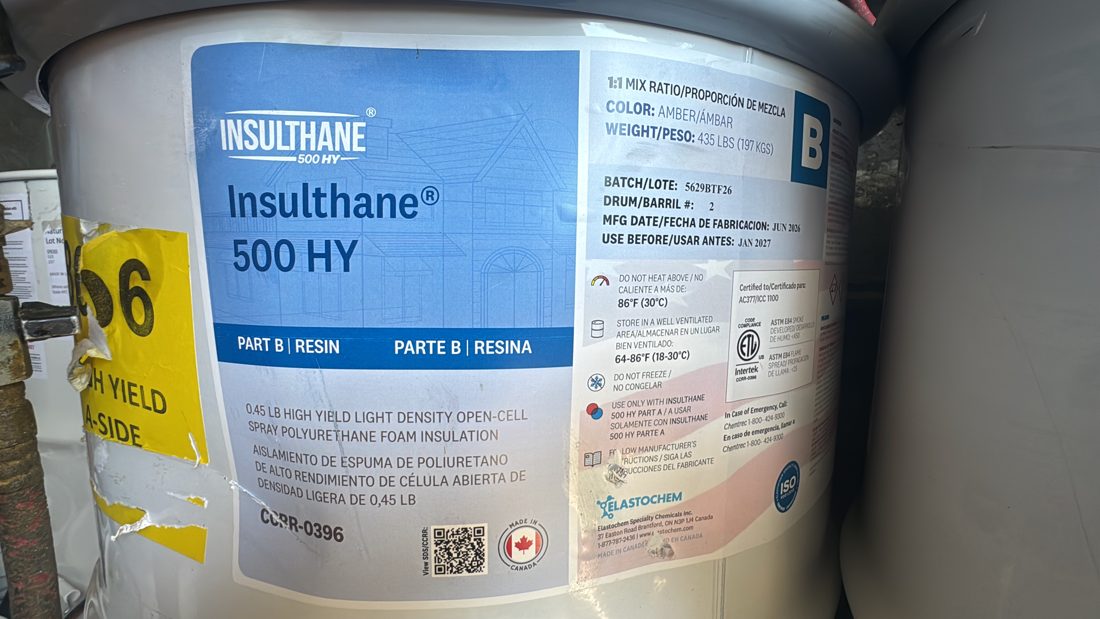
Two-part spray polyurethane foam (SPF) is mixed at the spray gun from two liquids:
- Side A: an isocyanate (usually MDI)
- Side B: a resin blend of polyols, catalysts, blowing agents and fire retardants
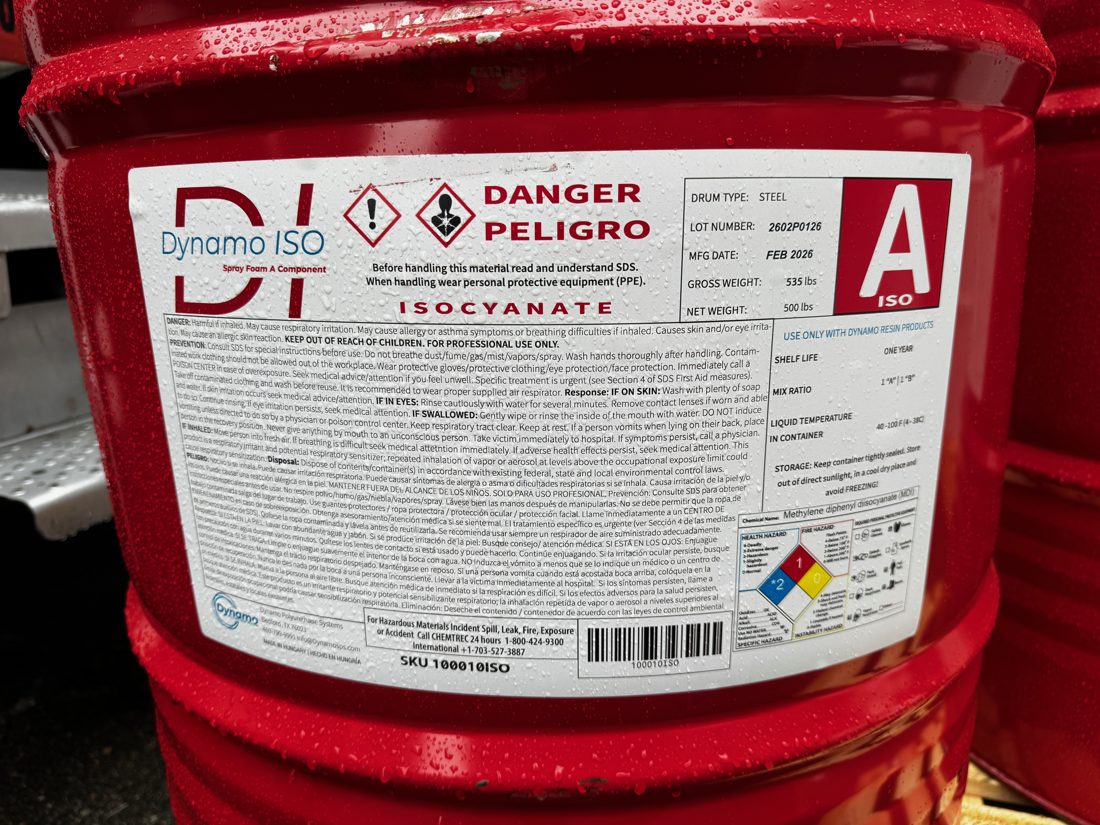
When they mix, they react and expand into foam. The spraying and curing period is the risky part, not the finished foam sitting in your wall.
Is spray foam toxic?
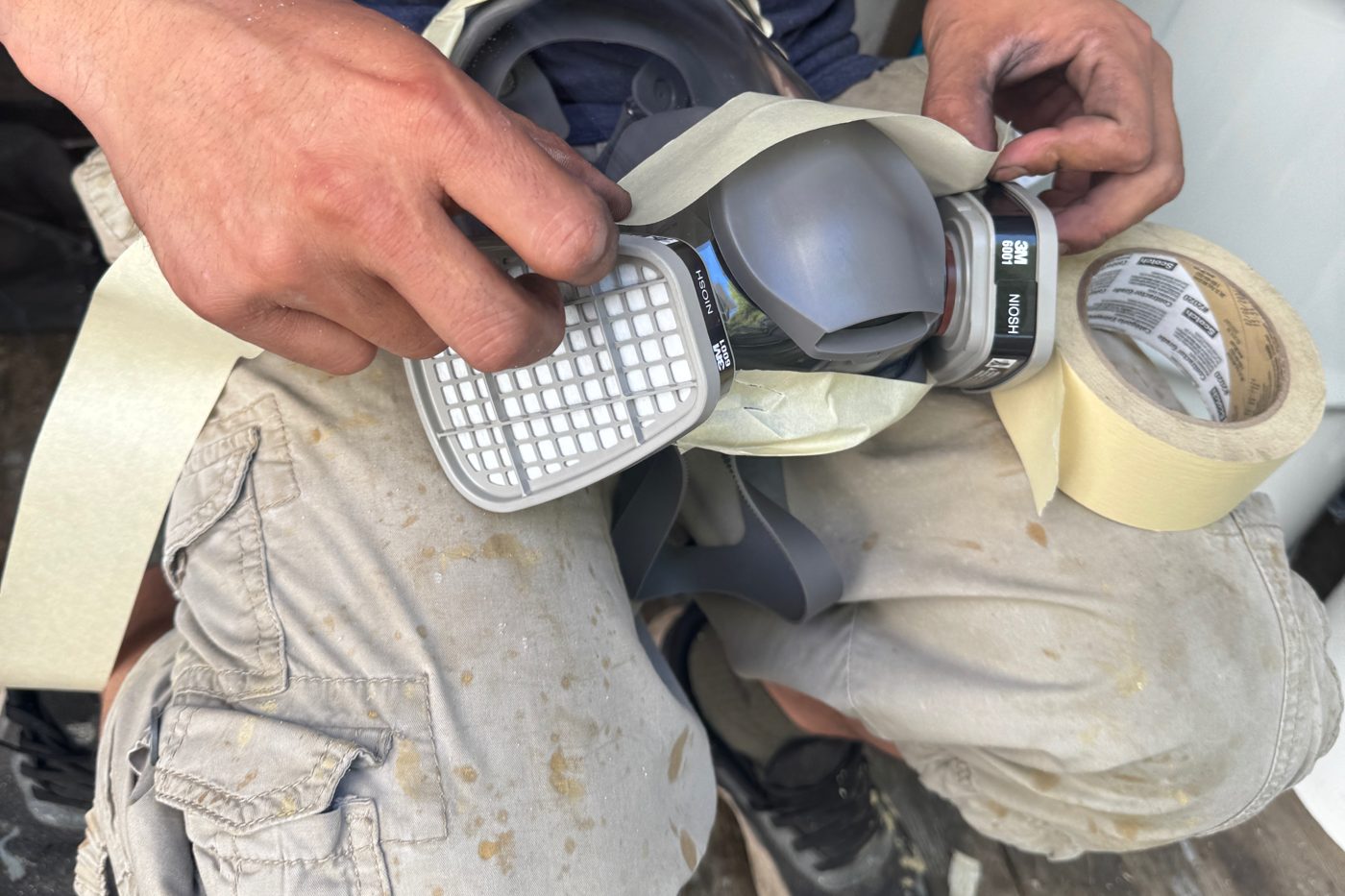
During spraying, isocyanates and other chemicals are in the air. According to the EPA, they can irritate the eyes, skin and lungs, and repeated exposure can cause asthma-like sensitization. That's why installers wear supplied-air or cartridge respirators, suits and gloves.
Is spray foam safe after it cures? Once fully cured and properly installed, spray foam is generally considered inert. Problems usually come from bad installs: wrong mix ratio, foam sprayed too thick in one pass, or poor ventilation during curing. These can leave lasting odors.
How long should you stay out of the house?
There's no single number. EPA's summary of manufacturer guidance lists about 23 to 72 hours of re-occupancy time for two-component foam. The Consumer Product Safety Commission advises leaving during installation and for at least 24 hours after. My rule:
- Plan to be out for at least 24 hours, and longer if the product's instructions say so.
- Ask the contractor for the product's re-entry and re-occupancy times in writing.
- The space should be ventilated with fans to the outside during and after spraying.
- Take pets out, and tell the crew about anyone with asthma or chemical sensitivity.
Is spray foam flammable?
Yes, foam plastic is combustible, even with fire retardants. That's why building codes require spray foam to be covered by a thermal barrier (usually 1/2-inch drywall) in living spaces. In attics and crawl spaces entered only for service, an ignition barrier or an approved intumescent coating can be used instead. If your basement rim joists or attic foam are left bare, ask your installer which barrier the product needs.
Where spray foam makes the most sense
- Basement rim joists. The band of framing on top of your foundation is one of the leakiest spots in Greater Boston homes. 2–3 inches of closed-cell foam seals and insulates it (about R-13 to R-20).
- Foundation walls and crawl spaces where moisture is a concern (closed-cell).
- Sloped ceilings and finished attics, especially the knee walls and roof lines common in Cambridge and Arlington.
- Tight roof cavities where you need high R-value per inch.
For open attics and old closed walls, blown-in cellulose is usually the better value. Compare all types in blown-in vs fiberglass vs spray foam.
Can I use DIY spray foam kits?
Small cans of one-part foam are fine for sealing gaps around pipes and wires. Large two-part DIY kits are a different story: you need full protective gear, good ventilation, the right temperature, and you must still cover the foam with a barrier. For anything bigger than a small rim joist section, hire trained installers.
Thinking about spray foam?
Magno & Co installs spray foam, blown-in and batt insulation in Somerville, Cambridge and across Greater Boston, and plans re-entry times, barriers and ventilation with you up front. Book a free walkthrough. See real insulation prices first if you're budgeting.
Frequently asked questions
Is spray foam insulation safe after it cures?
Once fully cured and properly installed, spray foam is generally considered inert. The main risks come during spraying and curing, when chemicals like isocyanates are in the air, and from improper installs.
How long do you have to stay out of the house after spray foam?
Follow the manufacturer's instructions. The CPSC advises staying out for at least 24 hours, and EPA's summary of manufacturer guidance lists about 23 to 72 hours for two-component foam.
Is spray foam insulation flammable?
Yes, it's combustible. Codes require it to be covered by a thermal barrier like 1/2-inch drywall in living spaces, or an ignition barrier or approved intumescent coating in attics and crawl spaces.
Is spray foam good for basement rim joists?
Yes. Two to three inches of closed-cell spray foam is one of the best ways to seal and insulate rim joists in Greater Boston basements, but it must be covered or coated if the code requires it.
Mateus Magno is the founder of Magno & Co — a licensed Massachusetts Construction Supervisor (CS-123658), registered Home Improvement Contractor (HIC #220484) and certified Lead-Safe Renovator Supervisor who has renovated and managed over $3 million in projects across Greater Boston.
More about Mateus →