


Cost per square foot to build in Massachusetts: new homes, additions and renovations
Cost per square foot to build in Massachusetts: new homes vs additions vs renovations, why Somerville and Boston run high, and how to compare quotes.
 Mateus Magno
Licensed Construction Supervisor · November 2, 2026 · 4 min read
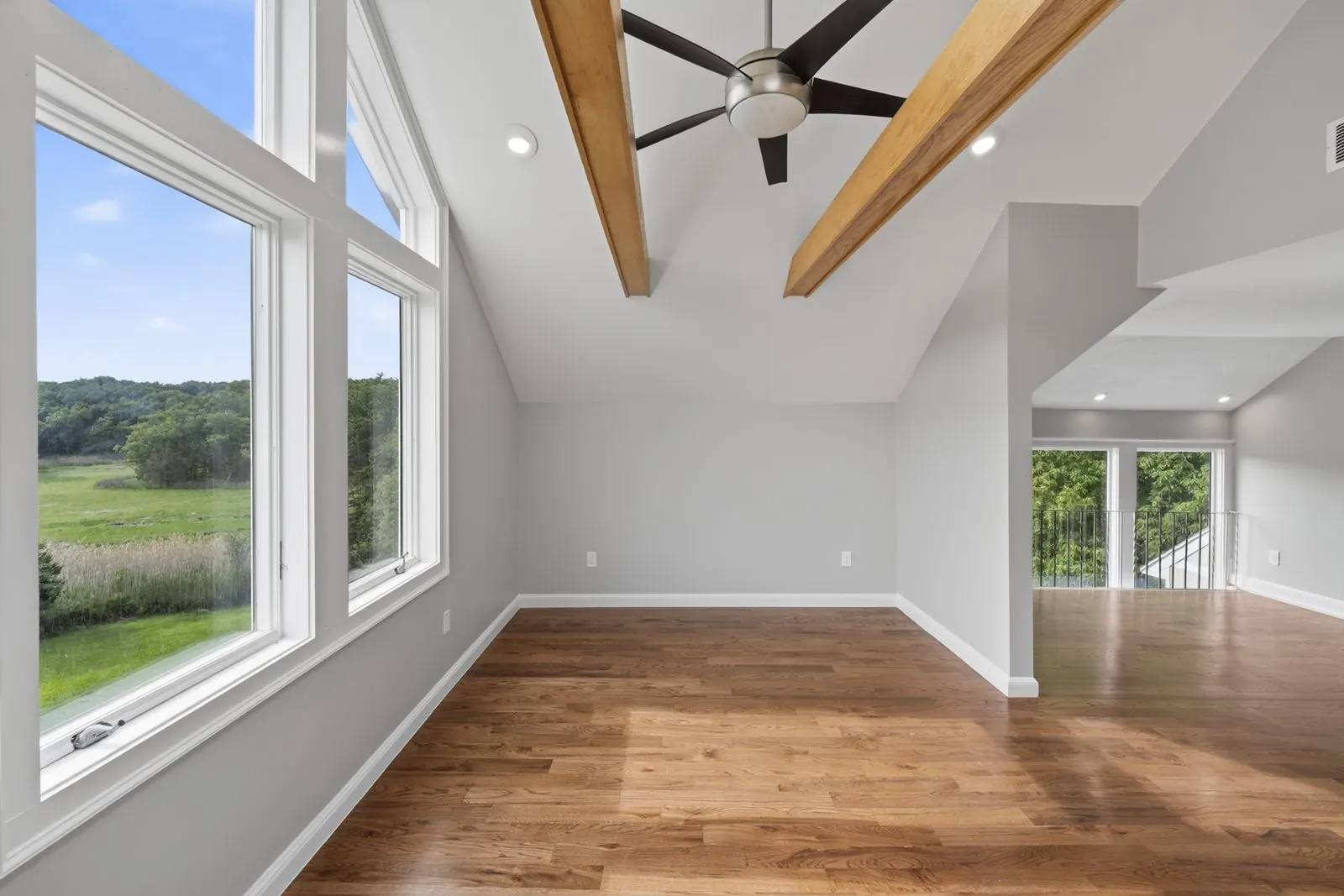
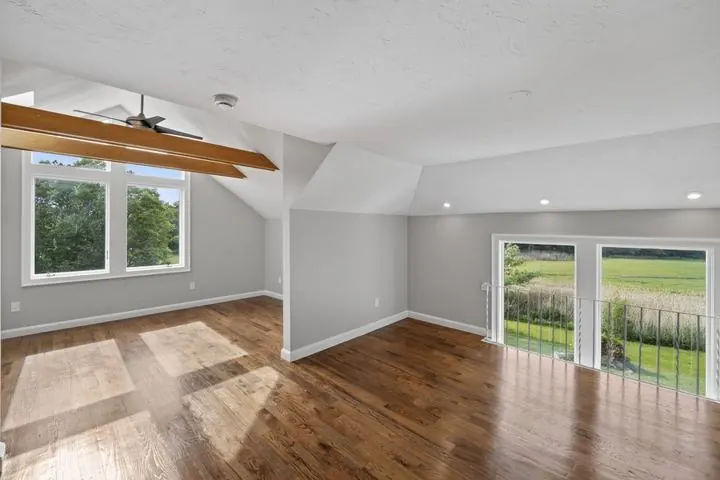
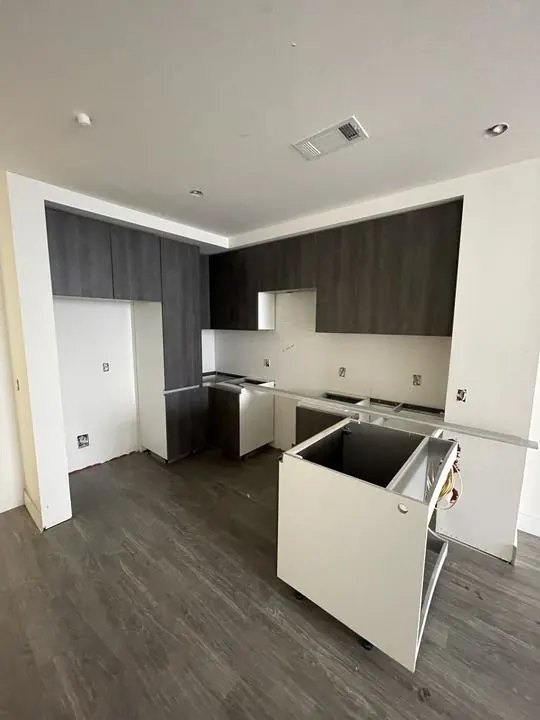
National cost guides put a basic new home at about $180 to $280 per square foot before land, and Greater Boston usually runs higher. Additions cost more per square foot than new homes: the 2025 Cost vs. Value report puts a midrange 384 sq ft primary suite addition in Boston at $183,267, or about $477 per square foot. Renovation costs depend on scope, not square footage.
People ask me about the cost per square foot to build in Massachusetts. The honest answer is that one number does not fit every job: a new house, an addition and a renovation are priced in completely different ways, and Greater Boston sits at the high end of all three.
Below I separate the three, show the few published figures I trust, and explain how to compare quotes so a low per-square-foot number does not fool you.
Cost per square foot to build in Massachusetts: the quick numbers
Most public figures are national. HomeGuide's national guide puts a basic builder-grade house at $180 to $280 per square foot and a custom home at $280 to $450+, not counting land or site prep. Those are national averages. Greater Boston usually runs higher.
For additions, the best local source is the 2025 Cost vs. Value report for Boston. I divided its job costs by the project sizes it describes:
| Boston project (2025) | Size described | Job cost | Per sq ft (my math) |
|---|---|---|---|
| Primary suite addition, midrange | 24 x 16 ft (384 sq ft) | $183,267 | about $477 |
| Bathroom addition, midrange | 6 x 8 ft (48 sq ft) | $64,220 | about $1,338 |
| Accessory dwelling unit | 660 sq ft, one story on a slab | $175,692 | about $266 |
The ADU line is a one-story 660 sq ft benchmark, not my price. My new backyard ADUs (880-892 sq ft) start at $375,000 all-in.
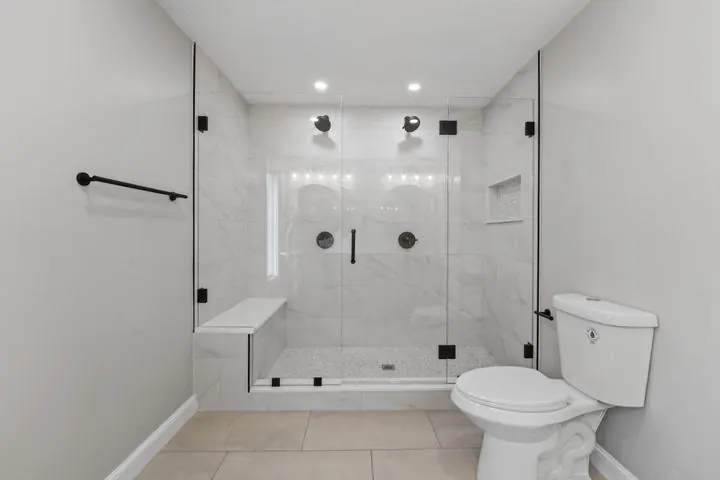
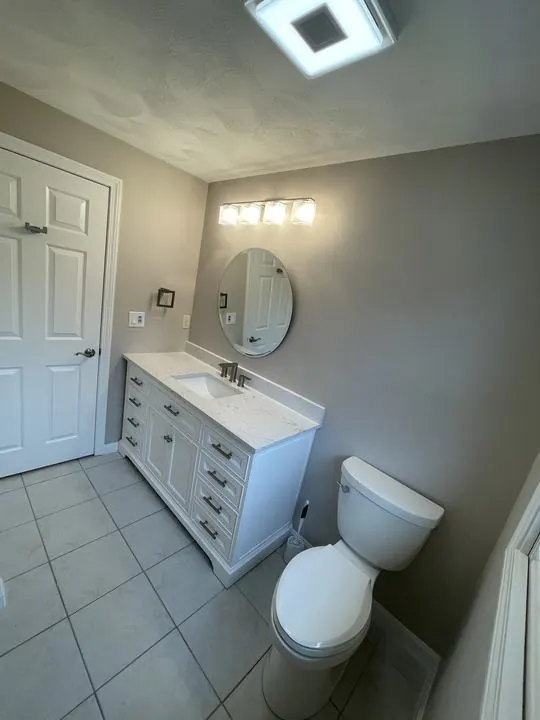
Look at the bathroom line. A small room packed with plumbing, tile and fixtures costs far more per square foot than a big bedroom. That is the first rule of square-foot pricing.
New construction vs. addition vs. renovation
- New construction: one crew builds everything from the ground up. The cost spreads over many square feet, so the per-foot number looks lowest.
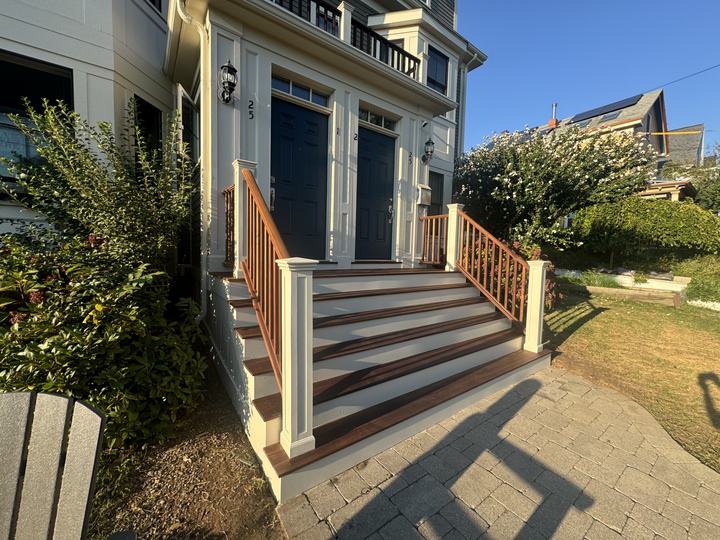
- Additions: you pay for a foundation, a roof and new walls, plus the work of tying into an old house: opening the siding, matching floor heights, extending heat and electrical. Small additions carry those fixed costs over fewer feet.
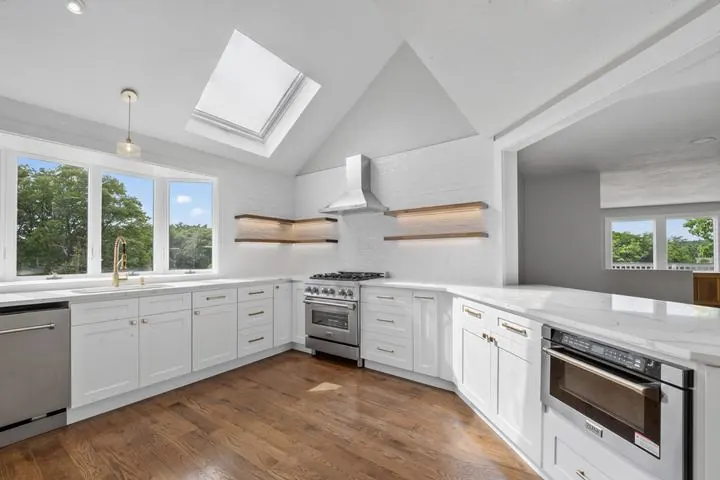
- Renovations: square footage barely matters. A gut kitchen and a repainted bedroom of the same size can differ by ten times. I price renovations by scope, never by the foot. My home addition cost guide and ADU cost guide go deeper on each.
Why Greater Boston costs more
- Labor. Licensed trades in Somerville, Cambridge and Boston are in high demand, and wages follow the cost of living.
- Land and access. Lots are tight. On a Davis Square side street there is often no room for a dumpster, a lift or material storage, so everything takes longer.
- Old houses. Many of our triple-deckers and two-families date from about 1900 to 1930. Opening a wall means surprises: undersized framing, old wiring, lead paint.
- Energy code. Somerville adopted the Specialized Energy Code, in effect since July 1, 2023, for new construction, alterations and renovations. Cambridge adopted it on the same date. In Cambridge's summary, new homes with fossil fuel systems must be pre-wired for future electric systems, smaller buildings must add solar, and parking must be wired for at least one EV charger.
- Building code. Massachusetts runs on the tenth edition of the State Building Code, based on the 2021 International Residential Code with state amendments. Better insulation, air sealing and ventilation are good for you, but they cost money up front.
What a per-square-foot price includes (and leaves out)
Two quotes at the same per-foot price can cover very different work. Before comparing, ask what is in and what is out:
- Design, engineering and stamped drawings
- Permits, plan review and inspections
- Site work, excavation and foundation
- Heating and cooling (heat pumps, ductwork)
- Finishes: flooring, cabinets, tile, fixtures, appliances
- Lead-safe work in pre-1978 houses
- Dumpsters, street occupancy permits and cleanup
How to compare quotes the right way
- Give every contractor the same drawings and the same finish list.
- Ask for a written, line-item budget, not a single lump sum.
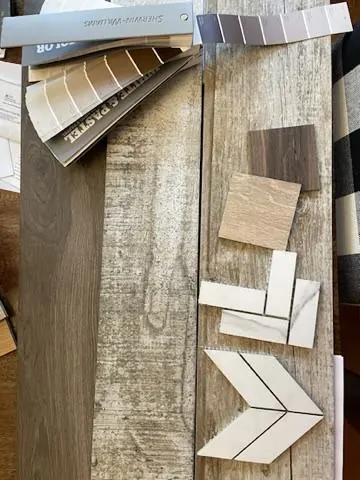
- Check allowances. A $2,000 tile allowance and a $10,000 one change the total a lot.
- Confirm who pulls the permits and who holds the Construction Supervisor license. My contractor hiring checklist walks through it.
- Ask what happens when walls are opened and something unexpected shows up.
Every house is different, so I don't quote by the foot. I walk the house, measure, and give you a written line-item budget so you can see exactly where the money goes.
Need a hand?
Planning an addition, ADU or new build in Somerville, Cambridge or Medford? Book a free walkthrough and I will send a written line-item budget, usually within 48 hours.
Frequently asked questions
How much does it cost per square foot to build a house in Massachusetts?
National guides put a basic new home at about $180 to $280 per square foot and a custom home at $280 to $450 or more, before land. Greater Boston usually runs higher, so get a line-item budget for your lot.
How much does an addition cost per square foot in Massachusetts?
Using the 2025 Cost vs. Value figures for Boston, a midrange 384 sq ft primary suite addition works out to about $477 per square foot. Small rooms with plumbing, like a bathroom addition, cost much more per foot.
Why is it so expensive to build in Boston?
High labor demand, tight lots with little room for equipment, old houses full of surprises, and a strict energy code all add cost. Somerville and Cambridge both use the Specialized Energy Code since July 1, 2023.
Is it cheaper to renovate or build an addition?
Renovating existing space is usually cheaper than adding new space, because you skip the foundation, roof and new walls. The real answer depends on the scope, so compare written line-item budgets for both options.
Want a real number for your home? See my published prices and how I quote a job, and the towns I work in.
Mateus Magno founded Magno & Co in 2020. He is a licensed Massachusetts Construction Supervisor (CS-123658), registered Home Improvement Contractor (HIC #220484) and certified Lead-Safe Renovator Supervisor who has renovated and managed over $5 million in projects across Greater Boston.
More about Mateus →