




Attic conversion cost in Massachusetts: code rules, permits and what drives the price
Attic conversion cost in Massachusetts: national price ranges, ceiling height, egress, stair and insulation rules, plus Somerville permit costs.
 Mateus Magno
Licensed Construction Supervisor · November 2, 2026 · 4 min read
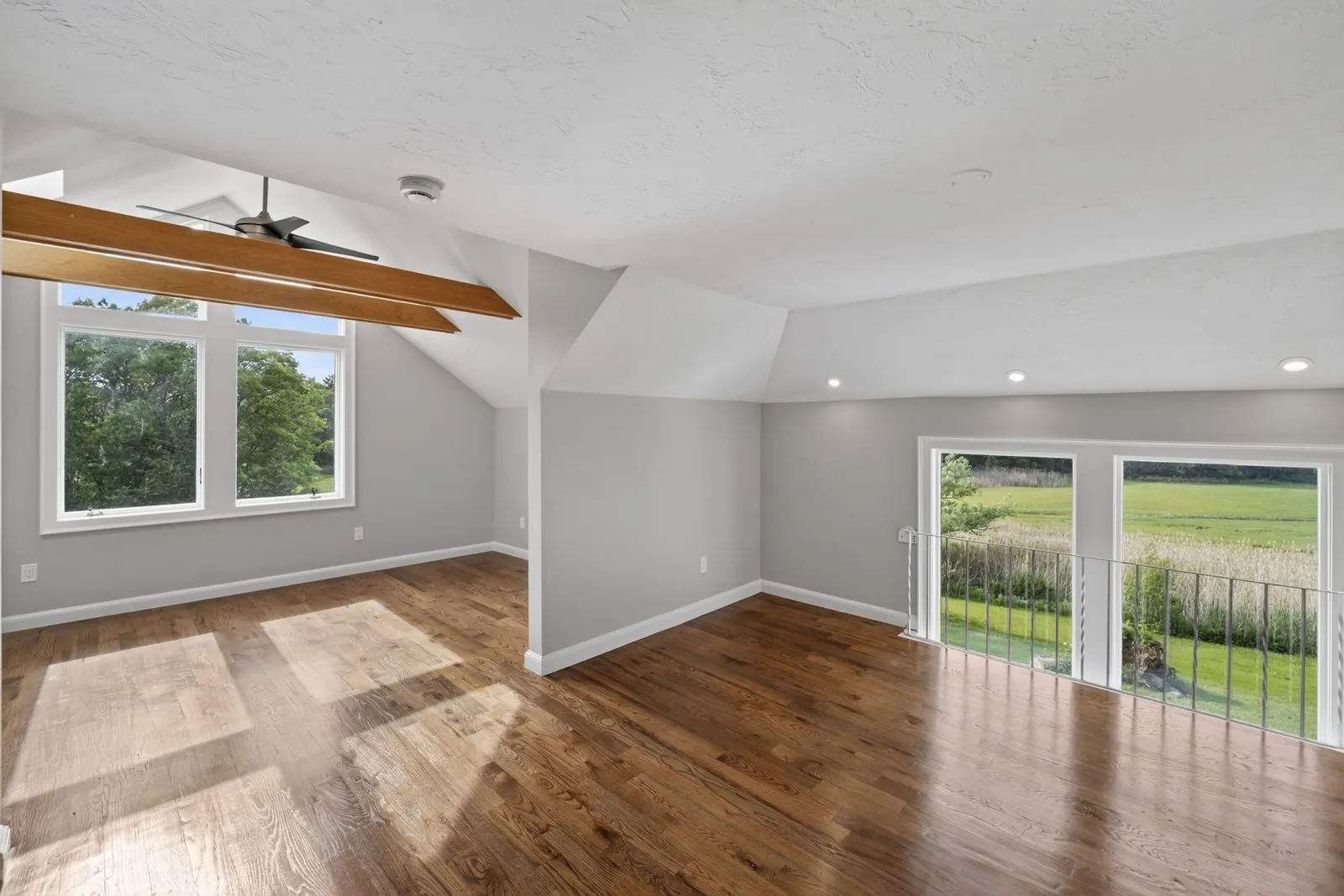
National cost guides put an attic conversion at about $50 to $150 per square foot, or $20,000 to $80,000+ to create living space; Greater Boston usually runs higher. In Massachusetts the big cost drivers are code items: a real stair, an emergency escape window, enough ceiling height and insulation that meets the energy code.
Attic conversion cost in Massachusetts comes down to one question: can your attic legally become a room without major surgery? If the stair, headroom and window already work, finishing is fairly simple. If not, you are paying for stairs, structure and maybe a dormer first.
Here is how I size up an attic in Somerville, Cambridge or Medford, the code rules that matter, and the national price ranges to start from.
Attic conversion cost: the national ranges
HomeGuide's national cost guide reports these national averages:
| Project | National average |
|---|---|
| Finished attic, per square foot | $50 to $150 |
| Conversion to living space | $20,000 to $80,000+ |
| Bedroom, office or bonus room | $20,000 to $45,000 |
| Primary suite with full bath | $50,000 to $100,000+ |
| New attic stairs | $1,000 to $5,000 |
Greater Boston usually runs higher. If you also need a dormer, the same publisher's dormer guide adds $19,600 to $54,900 nationally for an attic dormer.
Which code applies to your house
Massachusetts uses the 10th edition building code, 780 CMR. Per the state's code handbook, its residential chapter adopts the 2021 International Residential Code with Massachusetts amendments. That residential code covers one- and two-family homes and townhouses up to three stories, per the Massachusetts scope amendments. A three-unit triple-decker falls outside that scope, so different rules apply. The numbers below are for one- and two-family homes.
Ceiling height and room size
- Ceiling height: Massachusetts requires at least 7 feet for habitable space and hallways, per its Chapter 3 amendments.
- Room size: the 2021 IRC requires at least 70 sq ft and 7 feet in any direction, and floor area under a sloped ceiling lower than 5 feet does not count toward that minimum.
- Size limit: under the IRC habitable attic section, the attic counts as a full story unless it is no more than one-third of the floor below, or one-half with a sprinkler system. To use that exception above a third story, the Massachusetts version also requires sprinklers.
Knee walls and a low ridge are the most common deal-breakers. A dormer is often the fix.
Stairs and an emergency escape window
- Stairs: a pull-down ladder does not count. The state amendments allow risers up to 8 1/4 inches and treads as shallow as 9 inches. The IRC also calls for a 36-inch clear width and 6 feet 8 inches of headroom.
- Escape window: the IRC requires an emergency escape and rescue opening in habitable attics and every sleeping room. The standard is 5.7 sq ft of net clear opening, at least 24 inches high and 20 inches wide, with the sill no more than 44 inches above the floor.
- Massachusetts exception: single- and double-hung windows may provide 3.3 sq ft with a 20 by 24 inch clear opening, per the state amendments.
My egress window guide goes deeper.
Insulation and the energy code
All of Massachusetts is climate zone 5A in the 2021 code's climate zone table, and the model prescriptive table calls for R-60 ceilings in that zone. The state's base energy code is the 2021 IECC with Massachusetts amendments, and cities can opt into stretch or specialized codes, per the Department of Energy Resources. Fitting that much insulation into 2x6 rafters usually means foam or furring, which is a real cost line. More in my attic R-value guide.
Other cost drivers in old Greater Boston houses
- Floor framing: attic joists sized for storage often need sistering to carry a bedroom.
- Heat and power: a new room needs outlets, lighting and a heat source. Extending an old boiler loop up to the top floor is not always practical, so I usually price a couple of options side by side.
- Old insulation: if you suspect vermiculite, the EPA says to treat doubtful material as asbestos and leave it alone until it is tested.
- Lead paint: in pre-1978 homes, paid work disturbing more than 6 sq ft per room inside or 20 sq ft outside, and any window replacement, must be done by a licensed lead-safe renovation contractor with a certified supervisor, per Mass.gov.
- Permits: Somerville charges $20 per $1,000 of estimated cost plus plan review and safety fees, per its fee schedule. Adding a bedroom or floor area can trigger Engineering review, per the City's Engineering permits brochure.
Need a hand?
Wondering if your attic can become a bedroom or office? Book a free walkthrough. I will check headroom, stairs and framing, then send a written line-item budget, usually within 48 hours.
Frequently asked questions
How much does an attic conversion cost?
National cost guides put an attic conversion at about $50 to $150 per square foot, or $20,000 to $80,000+ to create living space. Greater Boston usually runs higher, and stairs, dormers and structural work add the most.
What ceiling height do you need to finish an attic in Massachusetts?
Massachusetts requires at least 7 feet for habitable space and hallways. Under the IRC, areas under a sloped ceiling lower than 5 feet do not count toward the minimum room size.
Does a finished attic bedroom need an egress window?
Yes. The IRC requires an emergency escape and rescue opening in habitable attics and every sleeping room. Massachusetts allows single- or double-hung windows with at least 3.3 square feet and a 20 by 24 inch clear opening.
Do I need a permit to convert an attic in Massachusetts?
Yes. Turning an attic into living space is an alteration that needs a building permit, plus electrical and possibly plumbing permits. In Somerville, adding a bedroom or floor area can also trigger Engineering review.
Want a real number for your home? See my published prices and how I quote a job, and the towns I work in.
Mateus Magno founded Magno & Co in 2020. He is a licensed Massachusetts Construction Supervisor (CS-123658), registered Home Improvement Contractor (HIC #220484) and certified Lead-Safe Renovator Supervisor who has renovated and managed over $5 million in projects across Greater Boston.
More about Mateus →