





Somerville's condo conversion ordinance: permits, tenant rights and the renovation work
Somerville's condo conversion ordinance explained: Review Board permits, tenant notice and relocation rules, and the work to condo a triple-decker.
 Mateus Magno
Licensed Construction Supervisor · November 2, 2026 · 4 min read
In Somerville you can't turn rental units into condos without a conversion permit from the Condominium Review Board. Tenants get at least one year of notice (five years if elderly, disabled or low/moderate income), a right to buy their unit, and relocation payments, and vacant formerly rented units carry a two-year wait.
Somerville's condo conversion ordinance controls what happens when an owner wants to sell the units of a rental building, usually a triple-decker or two-family, as separate condominiums. Before any unit is sold, the owner needs a permit from the City's Condominium Review Board, and the ordinance gives tenants strong protections along the way.
I am a builder, not a lawyer, so this post covers the process as the City publishes it and the construction side I handle. For legal advice on your building, talk to a real estate attorney.
What the condo conversion ordinance in Somerville covers
The Condominium Review Board is a five-member board (two homeowners, two tenants and one elderly, disabled or low-to-moderate income resident) that enforces the ordinance and holds the hearings. Per the City, owners who intend to remove rental units from the market must apply to the board and be granted a conversion permit.
The full text lives in the Somerville Code of Ordinances. One detail matters to anyone planning work: the ordinance lists factors that show an owner's "intent to convert," including having units measured for a condo sale or having architectural plans prepared for a conversion. Tenant rights attach at that intent, so planning the construction is part of the legal timeline.
The permit steps and fees
The City's condo conversion process page lays out permits by unit, so units in the same building can have different requirements:
- Preliminary non-rental permit for units last used by the owner or another non-rental use. No waiting period.
- Preliminary rental permit for units last used as rentals. You notify current tenants on the board's form, notify former tenants in writing, and complete the application within 30 days.
- Final conversion permit once the waiting period runs out, with documents that can include the master deed, a Property Condition Report and proof of relocation payments.
- Fee: $800 per unit for either preliminary permit.
- Waiting periods: one year for most currently tenanted units and two years for vacant units, with exceptions for units that were owner-occupied.
- Hearings: the board meets monthly. If you had tenants in the last 12 months, the City advises applying at least three weeks before the hearing.
Tenant notice and protections
The City's current tenant notification form spells out what tenants are entitled to:
- One year of continued occupancy from the notice, or five years for elderly, disabled or low/moderate income tenants. A longer lease extends the notice period.
- Right to purchase the unit in "as is" condition, with 120 days (180 for protected tenants) on each side of the offer.
- Right to leave early with 30 days' written notice and no penalty.
- Housing search help for elderly, disabled or low/moderate income tenants, unless the owner qualifies for an exemption.
Since October 1, 2025, relocation payments are $14,000 for most tenants and $18,000 for elderly, disabled and low-to-moderate income households, adjusted each year for inflation.
Renovating during the notice period
This is where owners get into trouble. Under the ordinance, during the notice period the owner may only make repairs in a tenanted unit that the State Sanitary or Building Codes require. Anything else inside that unit needs the tenant's express written consent. Work in vacant units and common areas has to follow the board's rules on days, hours, advance notice to tenants, service interruptions and cleanup.
In practice, I schedule a conversion in phases: common areas and vacant units first, occupied units only when the law and the tenant allow.
Typical work to convert a triple-decker into condos
The scope depends on the building, but these items come up on most conversions:
- Separate utilities. Individual electric meters and panels, and often separate heating systems so each owner controls their own bill.
- Fire separation. Upgrading walls, floors and doors between units and the common stair to meet current code for the work being done.
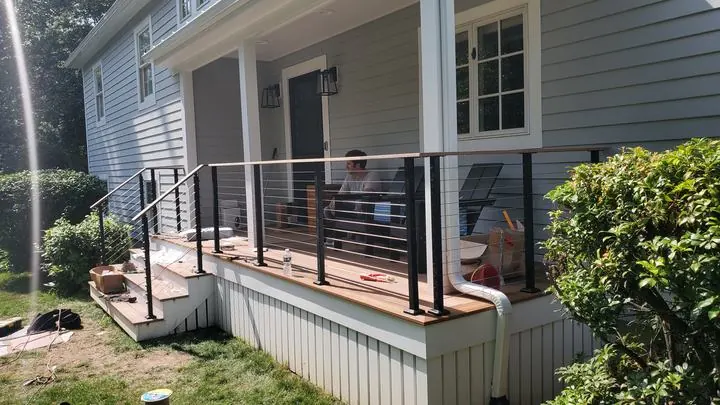
- Egress and stairs. Back porches and stairs are often the second way out. Many need rebuilding; see my porch and stair safety guide.
- Smoke and CO alarms. Each sale needs a certificate of compliance from the local fire department.
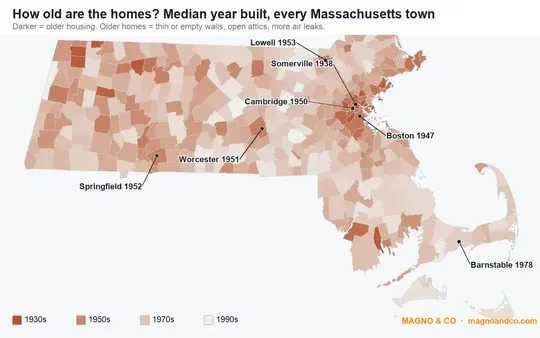
- Lead-safe work in a pre-1978 building, plus any lead requirements tied to the sale.
Most of this needs building, electrical and plumbing permits through Somerville's ISD Building Division. If you are adding units or changing the footprint, zoning comes in too; my triple-decker zoning guide explains that side.
As-built plans for the master deed
Massachusetts condo law, M.G.L. c. 183A, s. 8, requires floor plans with a verified statement from a registered architect, professional engineer or land surveyor that they accurately show the units as built. So the plans get finalized after construction, not before.
Need a hand?
If you own a Somerville, Cambridge or Medford multi-family and are weighing a condo conversion, book a free walkthrough. I will scope the utility, fire separation and egress work and send a written line-item budget, usually within 48 hours. I work in Somerville, Cambridge and across Greater Boston.
Frequently asked questions
Do I need a permit to convert apartments to condos in Somerville?
Yes. Owners who intend to remove rental units from the market must apply to the Condominium Review Board and be granted a conversion permit before units are sold as condos.
How much notice do tenants get for a condo conversion in Somerville?
Tenants get one year of continued occupancy from the notice, and elderly, disabled or low/moderate income tenants get five years. A longer lease extends the notice period.
How much is the relocation payment for a Somerville condo conversion?
Since October 1, 2025, relocation payments are $14,000 for most tenants and $18,000 for elderly, disabled and low-to-moderate income households, adjusted annually for inflation.
Can a landlord renovate during a condo conversion notice period in Somerville?
Only code-required repairs are allowed in a tenanted unit unless the tenant gives express written consent. Vacant units and common areas can be renovated under the board's rules on hours and notice.
Planning work near Somerville? See the towns I work in, with local permit notes, and how I price work.
Mateus Magno founded Magno & Co in 2020. He is a licensed Massachusetts Construction Supervisor (CS-123658), registered Home Improvement Contractor (HIC #220484) and certified Lead-Safe Renovator Supervisor who has renovated and managed over $5 million in projects across Greater Boston.
More about Mateus →