How to get a building permit in Somerville: a homeowner's step-by-step guide
Who can pull the permit, what you'll need, which jobs need one, and the energy-code rules that apply to Somerville renovations — in plain English.
 Mateus Magno
Licensed Construction Supervisor · October 19, 2026 · 3 min read
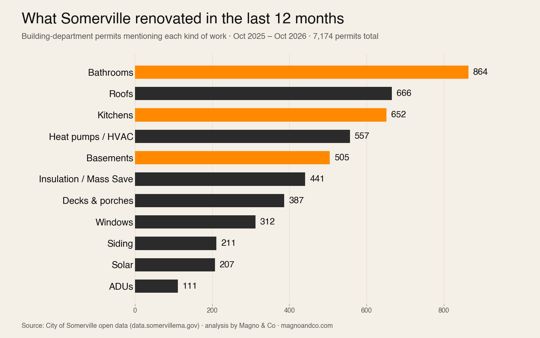
About 450 building-department permits are filed in Somerville every month. Most delays I see come from the same few mistakes: the wrong person applying, a missing document, or work starting before the permit is issued. Here's how the process works.
1. Does your project need a permit?
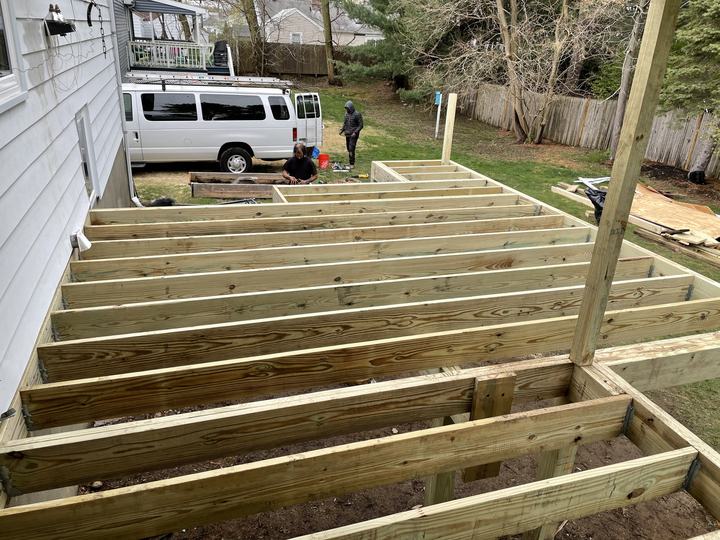
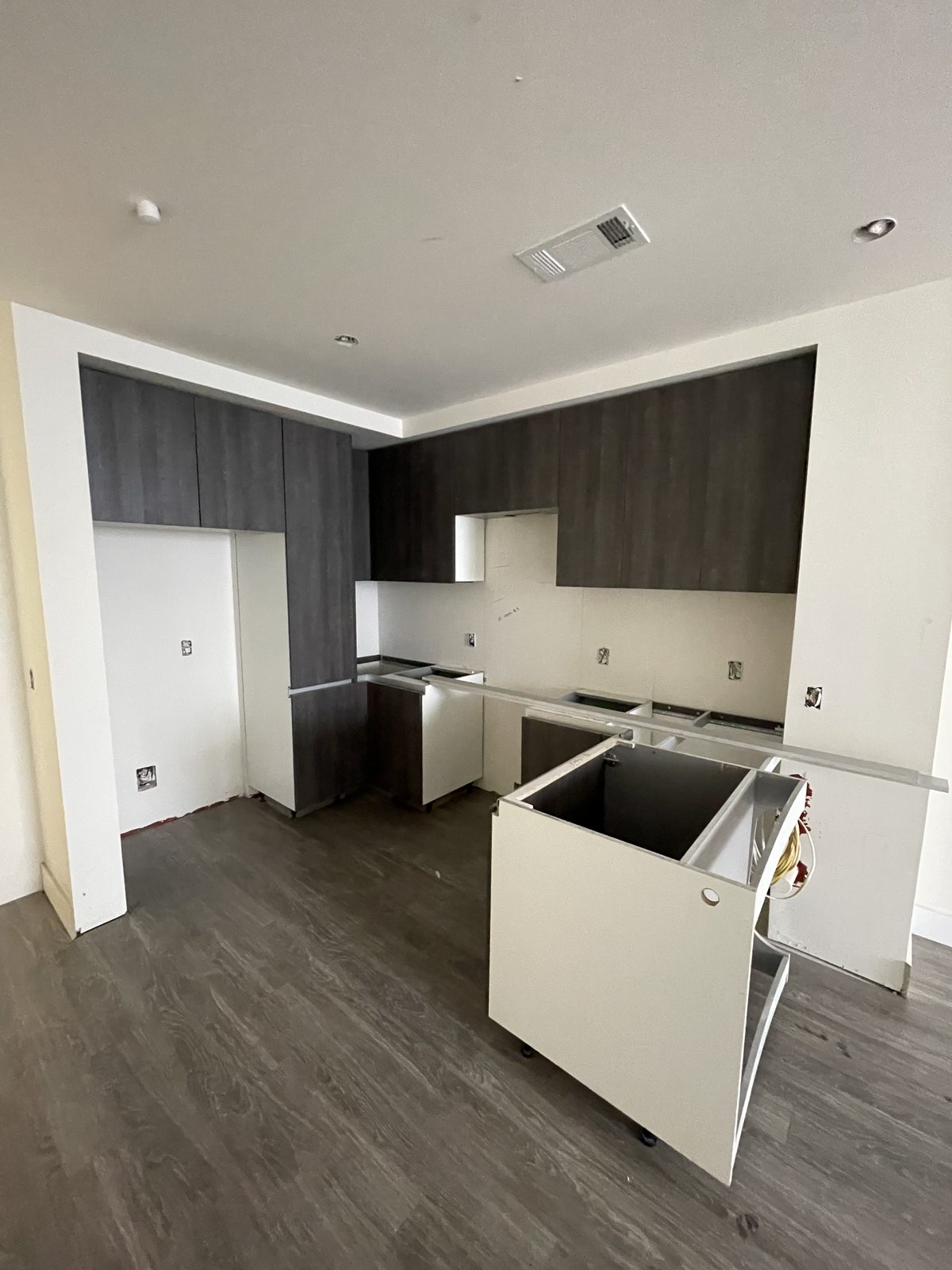
If you're building, altering, repairing or demolishing any part of the structure — including gutting a room down to the studs — yes. Painting, tiling and new flooring generally don't. Electrical, plumbing and gas work always need their own permits, pulled by the licensed trade doing that work.
2. Who can apply?
- Owner-occupants of a one- or two-family home may pull their own building permit.
- Buildings with three or more units, or commercial property, need a licensed contractor.
- Contractors must hold a Construction Supervisor License (CSL) and, for owner-occupied homes of 1–4 units, a Home Improvement Contractor (HIC) registration.
One important trade-off: if you pull the permit yourself instead of a registered contractor, you generally give up access to the state's Home Improvement Contractor Guaranty Fund for that job. See our Massachusetts contractor checklist.
3. Apply online through CitizenServe
Somerville takes building, demolition and curb-cut applications through its CitizenServe portal (you create a free account once). A homeowner applying typically provides proof of residence, an estimated-cost affidavit, plans if the work requires them, and the workplace-safety and wage-theft affidavits. A review fee is paid at application.
4. Know the energy code
Since July 1, 2023, Somerville has used the Massachusetts Specialized Stretch Energy Code: new construction and major renovations must comply. The City's fossil-fuel-free ordinance is on the books but not yet in effect — it depends on state approval — so gas isn't banned today. Plan major renovations with the energy code in mind from the start; it affects insulation, windows and mechanical systems.
5. Inspections and closing out
Every permit comes with inspections — typically a rough inspection while walls are open and a final at the end. Major projects end with a Certificate of Occupancy. Don't close walls before the rough inspection, and keep the permit card posted on site.
Contact the City
Inspectional Services Division (ISD), 1 Franey Road · [email protected] · ISD Building Division.
Prefer not to deal with it yourself? As a licensed CSL and registered HIC, I pull the permits, coordinate the trades' permits and schedule every inspection. Tell me about your project.
Mateus Magno is the founder of Magno & Co — a licensed Massachusetts Construction Supervisor (CS-123658), registered Home Improvement Contractor (HIC #220484) and certified Lead-Safe Renovator Supervisor who has renovated and managed over $3 million in projects across Greater Boston.
More about Mateus →