Changing windows, siding or porches in a Somerville historic district
Planning new windows, siding or a porch in a Somerville Local Historic District? How HPC review works, what needs approval, and how to plan your timeline.
 Mateus Magno
Licensed Construction Supervisor · October 20, 2026 · 3 min read
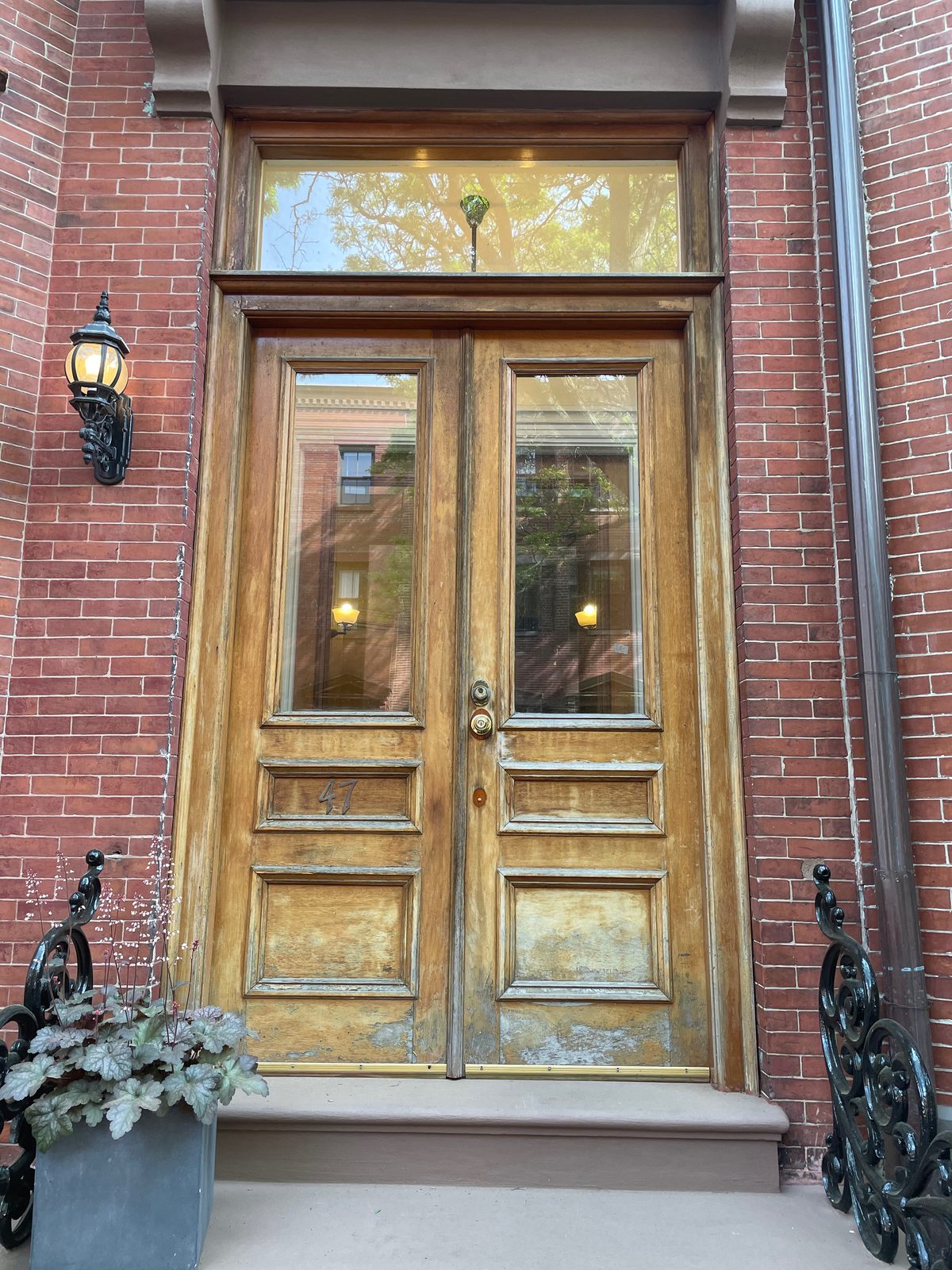
If your house is in a Somerville Local Historic District, exterior changes visible from a public way, like new window types, siding or porch changes, need Historic Preservation Commission approval before a building permit is issued. All work on a historic property, even like-for-like repair, still goes through Historic Preservation Review in the City's Citizenserve portal.
A lot of my clients in Somerville don't realize their house sits in a Local Historic District until a building permit gets held up. If you're planning new windows, siding, or porch work, it pays to check first. Here's how the process works and how I plan around it.
What a Local Historic District means
Local Historic Districts are created under the state Historic Districts Act, M.G.L. c.40C. Under that law, no building permit for exterior alteration can be issued in a district until the local commission issues a certificate: appropriateness, non-applicability, or hardship.
In Somerville that commission is the Historic Preservation Commission (HPC), part of the Planning Division. According to the City, it reviews exterior alterations or repairs that are visible from a public way and would permanently change a building's design, materials or outward appearance, including changes to how windows and doors are arranged.
Is my house in a district?
Don't guess based on how old the house looks. Plenty of 1890–1920 homes around Spring Hill and Winter Hill aren't in a district, and some surprising ones are. To check:
- Open the City's list of Local Historic Districts by address (a 2017 master list).
- Because that list is a few years old, email [email protected] with your address to confirm.
- Ask before you sign a contract or order windows. Special-order windows are hard to return.
What usually needs review
Somerville's HPC Design Guidelines are only five pages and worth reading. Here's what matters most on the projects I see:
- Windows: The guidelines favor repairing original sash and keeping openings the same size. Don't shrink or enlarge an opening to fit a stock window. They suggest weather-stripping and storm windows as an alternative to replacing historic sash.
- Siding: The guidelines say synthetic siding (aluminum, vinyl, artificial stone or brick) is prohibited, except in rare hardship cases, and then it has to match the original dimensions.
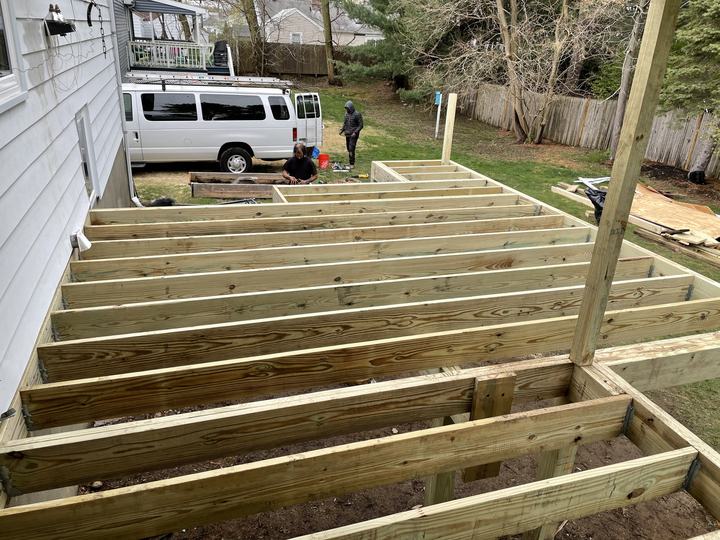
- Porches: Keep and repair original railings, balusters, columns, brackets and steps. Avoid swapping wood posts and railings for metal, or a wood deck for concrete.
- Roofs and dormers: New dormers should match existing forms and materials, ideally at the rear. Flat skylights and mechanical units belong on the back or out of public view.
What the City says the HPC doesn't review is routine maintenance and replacement with the same design and materials. Even then, the work still needs a Historic Preservation Review through the City's Citizenserve portal, so you still apply.
How the process and timeline work
Per the City's historic preservation page:
- Apply for a Historic Permit in Citizenserve, following the HPC submission requirements.
- A case planner reviews it and works with you. If needed, they put it on an HPC agenda.
- The HPC generally meets on the first and third Tuesday of the month over Zoom, with agendas posted at least 48 hours ahead. Dates can move.
- Once you have your certificate, you can get the building permit. My Somerville permit guide covers that step.
My timeline advice: add historic review to the front of your schedule, not the middle. Gather clear photos of every elevation, product cut sheets and simple drawings. Incomplete applications slow everything down. Spring porch season fills up fast, so I start these conversations in winter.
Demolition review is a different thing
People mix these up. The historic district rules cover exterior changes to properties inside a district. Somerville's separate Demolition Review applies citywide: the City says demolishing a building 75 years old or older requires Demolition Review, whether or not it's in a district. Some areas are exempt, and the City posts an exempt-areas map.
That matters for many of the triple-deckers and garages in East Somerville, Teele Square and beyond, since almost all of them are well past 75 years. If you're thinking about tearing down an old garage for a backyard ADU, check this early.
Need a hand?
I help Somerville homeowners figure out whether they're in a district, prepare clean HPC submissions, and build the work the way it was approved. Book a walkthrough and we'll map out your windows, siding or porch project before you spend a dollar on materials.
Frequently asked questions
How do I know if my house is in a Somerville historic district?
Check the City's list of Local Historic Districts by address on somervillema.gov, then confirm by emailing [email protected], since the published list dates from 2017.
Can I replace windows in a Somerville historic district?
Possibly, but changes visible from a public way that alter design or materials need Historic Preservation Commission review first. The City's design guidelines favor repairing original sash and keeping opening sizes, with storm windows as an alternative.
Is vinyl siding allowed in a Somerville historic district?
Somerville's HPC Design Guidelines prohibit synthetic siding like vinyl and aluminum, except in rare hardship cases where it must match the original dimensions.
What is Somerville's 75-year demolition review?
It's a separate citywide process: demolishing a building 75 years old or older requires Demolition Review by the City, whether or not the property is in a historic district. Some areas are exempt.
Mateus Magno is the founder of Magno & Co — a licensed Massachusetts Construction Supervisor (CS-123658), registered Home Improvement Contractor (HIC #220484) and certified Lead-Safe Renovator Supervisor who has renovated and managed over $3 million in projects across Greater Boston.
More about Mateus →