Home addition cost in Massachusetts: bump-outs, dormers and second stories
Home addition cost in Massachusetts from a Somerville builder: Boston Cost vs. Value numbers, bump-out vs. dormer vs. rear addition, and local zoning.
 Mateus Magno
Licensed Construction Supervisor · October 20, 2026 · 4 min read
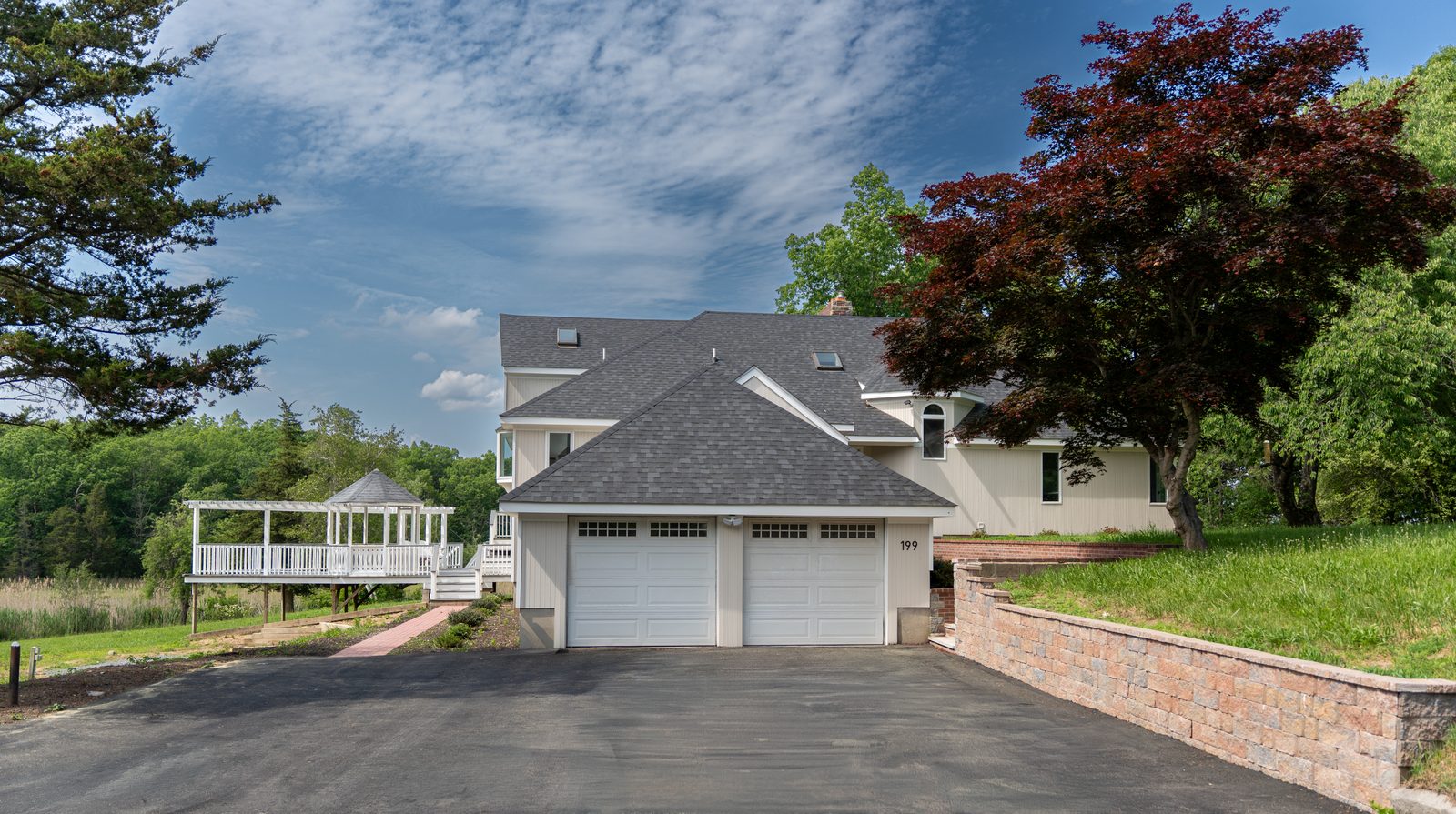
The 2025 Cost vs. Value report puts a midrange 24 x 16 ft primary suite addition at $183,267 in Boston, and a midrange 6 x 8 ft bathroom addition at $64,220. Your price depends on the type of addition, the foundation, how hard it is to tie into an older house, zoning limits and design and permit costs.
The home addition cost in Massachusetts depends far more on the type of addition than on square footage alone. The best published benchmark, the 2025 Cost vs. Value report, puts a midrange 384 sq ft primary suite addition at $183,267 in Boston.
In Somerville, Cambridge and Medford, the other big factors are tying into a 1900s house, zoning, and access on tight lots. Here's how I break it down for my clients.
Home addition cost in Massachusetts: the published numbers
These are the Boston figures from Remodeling magazine's 2025 Cost vs. Value report. Both addition models sit on a crawlspace foundation.
| 2025 Boston project | Job cost | Cost recouped at resale |
|---|---|---|
| Primary suite addition, midrange (24 x 16 ft) | $183,267 | 39.2% |
| Primary suite addition, upscale | $379,392 | 18.2% |
| Bathroom addition, midrange (6 x 8 ft) | $64,220 | 42.5% |
| Bathroom addition, upscale | $116,910 | 29.7% |
Treat these as a starting point. Every house is different, and I give a written line-item budget after a free walkthrough.
Bump-out, rear addition, second story or dormer?
- Bump-out: a small extension, often for a kitchen or bath. Less space, but it still needs a foundation or cantilever, a roof tie-in and new exterior finishes.
- Rear addition: the classic one- or two-story box off the back. You get the most space per dollar, but you pay for a full foundation and excavation.
- Second-story addition: no new footprint, but the existing walls and foundation have to carry the load, and the roof comes off during construction. Engineering is a must.
- Dormer: turns a cramped attic into usable rooms. It's often the best value in a house with a steep roof and decent attic height.
What drives the cost of an addition
- Foundation: full basement, crawlspace or slab. Ledge, water or an old fieldstone foundation next door all add cost.
- Structure: beams, posts and headers where the new space opens into the old house.
- Matching the old house: clapboard profiles, trim, window styles and roof pitch on a 1900–1930 home take skilled labor.
- Lead-safe work: opening walls in a pre-1978 house means following lead-safe renovation practices.
- Design and permits: architect drawings, a structural engineer and city review all happen before a shovel hits the ground.
- Access and staging: on a narrow street near Union Square or Teele Square, there's often no room for a dumpster, a lumber drop or an excavator. Hand-carrying materials and extra trips add labor days.
- Upgrades the new space forces: a bigger electrical service, a heating system that can't carry more rooms, or plumbing that has to be rerouted through the old house.
On most of the additions I price, these hidden items, not the cabinets or flooring, are what separate a realistic budget from a lowball one.
Somerville zoning: what you're allowed to add
Somerville's zoning lists exactly which additions each building type may have. In the Neighborhood Residence district, SZO 3.1.13 Building Components permits gable dormers, shed dormers, side wings and rear additions on cottages, detached houses, semi-detached houses and duplexes, but lists them as not permitted for the Detached Triple Decker building type. If you own a triple-decker, check zoning before anything else; my triple-decker zoning guide explains why.
- Rear additions must set in at least 1 ft from the side walls, stay within two stories and half the main building's floor plate, and can't have a steeper roof than the main house.
- Dormers can't project past the exterior wall or rise above the ridge, and flat roofs are prohibited.
Permits and city review in Somerville
The city's building permit fee schedule (effective January 1, 2025) charges $20 per $1,000 of estimated cost up to $100,000 and $21 per $1,000 above that, plus a $250 zoning plan review and a building code review of $4 per $1,000. The Engineering permits brochure says adding floor area, footprint, bedrooms or a new foundation can trigger engineering review too.
Addition vs. ADU vs. moving
- Addition: best when you need more space for your own household and love your street.
- ADU: better when the space is for a parent, adult child or tenant. See our 3D ADU designs.
- Moving: worth pricing honestly. Closing costs and a higher mortgage rate can rival the cost of building.
Need a hand?
I'm a licensed Construction Supervisor based in Davis Square, and I've planned additions across Somerville, Cambridge and Medford. Book a free walkthrough and I'll check what your lot allows, then send a written line-item budget, usually within 48 hours.
Frequently asked questions
What is the average cost of a home addition in Massachusetts?
The 2025 Cost vs. Value report puts a midrange 24 x 16 ft primary suite addition at $183,267 in Boston. Smaller bump-outs cost less overall; second stories and upscale suites cost more.
Is it cheaper to build up or out in Massachusetts?
It depends on the house. Building out needs a new foundation, while building up needs the existing walls and foundation to carry more load and means opening the roof, so an engineer should check before you decide.
Do I need a permit for a home addition in Somerville?
Yes. Additions need a building permit and zoning review from Somerville's Inspectional Services, and adding floor area or a foundation can trigger engineering review as well.
Can I add a dormer to a triple-decker in Somerville?
Somerville's zoning table lists dormers and rear additions as not permitted for the Detached Triple Decker building type in the Neighborhood Residence district. Have your property's zoning checked before you design.
Mateus Magno is the founder of Magno & Co — a licensed Massachusetts Construction Supervisor (CS-123658), registered Home Improvement Contractor (HIC #220484) and certified Lead-Safe Renovator Supervisor who has renovated and managed over $3 million in projects across Greater Boston.
More about Mateus →